
How to safely disconnect utilities before house demolition
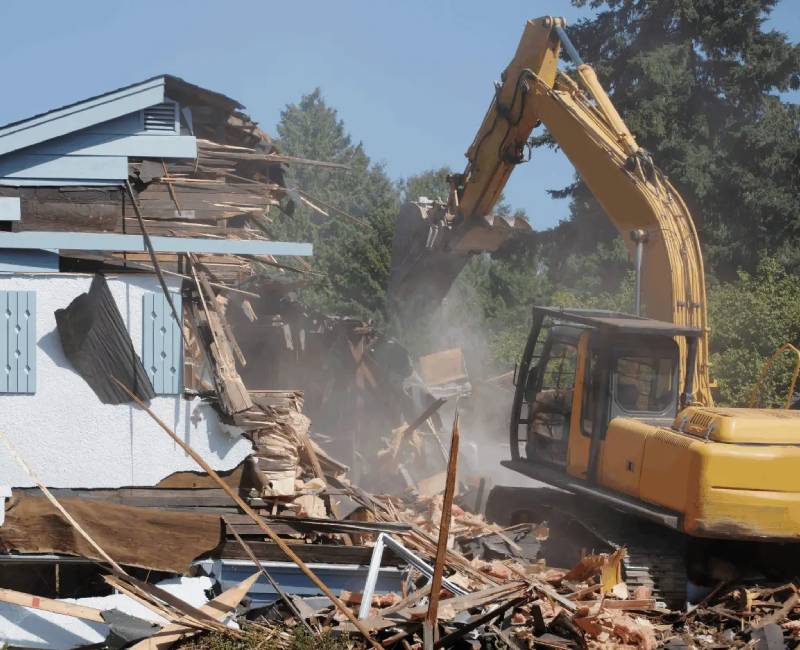
Not long ago, a small town in North Carolina made headlines. A crew started tearing down an old home, but missed one critical step. They forgot to have the power shut off. Midway through, a live wire sparked, causing a brief fire scare and halting work for hours. Thankfully, no one was hurt, but the lesson was clear for everyone watching: never skip the basics and disconnect the utilities before removing a house.
When crews take time to disconnect utilities the right way, everyone stays safer—and the work goes smoother. This article will walk you through what you need to know to make your house demolition safe. With simple steps and clear advice, you’ll understand how to avoid common mistakes. If safety and peace of mind matter to you, keep reading. This guide is worth every minute.
What utilities should be disconnected before demolition?
Always coordinate with licensed professionals and local authorities to ensure utilities are properly shut off.
Before starting any demolition, it’s critical to disconnect all utilities to prevent accidents, fires, flooding, or structural hazards. Failure to do so can result in costly damage, serious injury, or even legal issues. Key utilities to disconnect:
|
Utility |
Why must it be disconnected |
How to disconnect |
|
Electricity |
Prevents electrocution, fires, and damage to nearby lines. |
Contact the power company to shut off service at the meter or transformer. Never attempt to cut live wires yourself. |
|
Gas (natural gas or propane) |
Avoids dangerous leaks, fires, and explosions. |
The gas provider must shut off and cap the line at the source before demolition. |
|
Water |
Prevents flooding, erosion, and property damage. |
Shut off the water at the main valve and have the pipes drained. |
|
Sewer / Septic |
Stops leaks, contamination, and environmental hazards. |
Disconnect from the city sewer line or properly decommission septic systems. |
|
Telecommunications (phone, internet, cable) |
Avoids damage to underground or overhead lines and keeps service interruptions minimal for neighbors. |
Service providers disconnect lines; overhead lines may need removal. |
|
HVAC / Fuel oil tanks |
Prevents hazardous spills or refrigerant leaks. |
Licensed contractors drain and safely remove tanks, refrigerants, or other materials. |
Pro tip: always get written confirmation from each utility provider before demolition begins. Many municipalities require proof of disconnection before issuing a demolition permit.
Risks of improper utility disconnection
If utilities aren’t properly shut off before demolition, the consequences can be severe—ranging from safety hazards to costly legal problems. Even a single overlooked line can put workers, neighbors, and the surrounding property at risk.
- Electrical hazards: live wires can cause electrocution, sparks, and fires, especially when heavy equipment or water comes into contact with them.
- Gas leaks and explosions: striking a gas line during demolition can release flammable gases, leading to fires or explosions that endanger the entire site.
- Water damage: uncapped water lines may flood the property, cause erosion, or damage nearby structures, resulting in costly repairs.
- Sewage contamination: broken sewer or septic lines can release harmful waste, contaminating soil and groundwater while creating serious health hazards.
- Communication disruptions: damaged phone, cable, or internet lines may cut service for surrounding homes or businesses, sometimes leading to disputes or penalties.
- Environmental harm: leaks from fuel tanks, refrigerants, or chemicals in HVAC systems can pollute the air, soil, or water and may lead to regulatory fines.
And once again, a reminder. Always confirm all shutoffs with utility providers and keep documentation before starting work.
Step-by-step disconnection process explained
Step 1. Notify utility providers
In North Carolina, always reach out to your local utility companies as soon as possible. For electricity, contact Duke Energy or your municipal electric provider. Piedmont Natural Gas or your city’s gas department handles gas shutoffs. Water and sewer disconnection typically goes through your city or county utilities office. For phone and internet, call your service provider directly—such as Spectrum or AT&T. Some towns require you to fill out specific forms or schedule an inspection before they’ll disconnect service. Always check with your city or county inspections office to verify local requirements.
Many North Carolina cities, like Raleigh and Charlotte, require you to show written proof of all utility disconnections before issuing a demolition permit. Keep documentation from each provider handy.
Step 2. Shut off the electricity
The power company disconnects service at the meter or transformer. Electricians may also remove interior wiring if required. This prevents electrocution and fire hazards once demolition begins.
Step 3. Shut off gas and fuel lines
The gas provider must turn off the supply at the main source and cap the line. If propane tanks or fuel oil tanks are present, they should be emptied and safely removed by licensed professionals.
Step 4. Disconnect water and sewer
Plumbers shut off the main water line, drain remaining water, and cap the pipes. Sewer lines must be sealed properly to prevent leaks, contamination, or flooding during demolition.
Step 5. Remove telecom and HVAC connections
Phone, internet, and cable providers disconnect overhead or underground lines. HVAC systems should be shut down, refrigerants safely recovered, and any oil tanks decommissioned in accordance with environmental standards.
What to do if something goes wrong during disconnection or demolition?
Even with careful planning, accidents can happen. A broken pipe, a cut line, or an unexpected leak can quickly escalate if not handled properly.
The most important rule: stop work immediately and follow the right emergency steps.
Common emergencies and how to respond
Electrical emergencies
If live wires are exposed or sparking, keep all workers away from the area, avoid touching anything metal or wet, and call the power company right away. In case of fire, contact emergency services (911) before attempting to use a fire extinguisher.
Gas leaks
If you smell gas or suspect a leak, stop all work, evacuate the site, and call the gas company or fire department. Do not use phones, engines, or anything that could cause sparks near the leak.
Water line breaks
Shut off the main valve if safe to do so, then contact the water utility or a licensed plumber. Standing water should be pumped out to prevent erosion or property damage.
Sewer spills
Avoid contact with sewage, stop work in the affected area, and call the sewer authority or plumber. Sewage exposure poses serious health risks.
Telecom line damage
If a phone, cable, or internet line is cut, mark the area to prevent further damage and notify the service provider immediately.
Hazardous material leaks (fuel, refrigerant, chemicals)
Evacuate the site and contact environmental safety services or emergency responders. Specialized handling is required to contain spills safely.
Keep in mind. Always have utility provider emergency numbers on-site, along with a basic spill kit, fire extinguisher, and first aid supplies. Quick action and proper reporting can prevent a minor issue from turning into a major disaster.
Step-by-step emergency response
- Stop all work immediately and clear the area.
- Call 911 if there’s fire, a strong gas smell, flooding, or any risk to health and safety.
- Contact the utility company for the affected service (for example, Duke Energy for electrical emergencies, Piedmont Natural Gas for gas leaks, or your city utilities office for water or sewer issues).
- Do not attempt repairs yourself unless you are trained and authorized—wait for professionals.
- Alert neighbors if there’s a risk to nearby homes or businesses.
- Document the incident with photos and notes for insurance and reporting.
Safety comes first. Quick, calm action can prevent injuries, reduce damage, and avoid legal issues.
How to request utility disconnection in North Carolina
Most providers require you to submit a formal request, either online or by phone. Some will send a technician to inspect and confirm service shutoff. In many cities, you’ll also need to provide proof of disconnection to the local inspections office before getting a demolition permit.
Contact information resources
- Duke Energy (electric): 1-800-777-9898 – https://www.duke-energy.com/
- Piedmont Natural Gas: 1-800-752-7504 – https://piedmontng.com/
- Raleigh Water: 919-996-3245 – https://raleighnc.gov/water
- Charlotte Water: 311 or 704-336-7600 – https://www.charlottenc.gov/water/Home
- Spectrum (cable/internet): 1-855-707-7328 – https://www.spectrum.com/internet
- AT&T: 1-800-288-2020 – https://www.att.com/local/north-carolina
- Your city or county utilities office (check local website or 311)
Note. This information is accurate for August 2025.
Tips on scheduling
Plan ahead: utility disconnections can take anywhere from a few days to several weeks, depending on provider workload and local requirements. Call at least two weeks before your planned demolition date. Some services may need to inspect your property before disconnecting. Ask about required forms, fees, and whether you’ll need to be present for the shutoff. Keep written confirmation from each provider for your records and permit applications.
Common mistakes to avoid
Even experienced contractors and homeowners can overlook important details when preparing for demolition. These mistakes not only delay the project but can also create safety hazards, legal issues, and unexpected costs.
- Skipping utility confirmation: assuming a line is disconnected without written proof from the provider can lead to electrocution, gas leaks, or flooding. Always get official clearance.
- DIY disconnection: trying to shut off utilities without proper training can be extremely dangerous. Only licensed professionals or utility companies should handle this step.
- Forgetting secondary lines: detached garages, sheds, or outbuildings may have their own electric, gas, or water connections. Leaving these active is a serious oversight.
- Overlooking telecom lines: phone, internet, and cable may not seem critical, but damaging them can disrupt service for the entire neighborhood and bring fines.
- Ignoring environmental hazards: old HVAC units, oil tanks, or asbestos-containing materials require special handling. Skipping this step risks contamination and regulatory penalties.
- Poor documentation: failing to keep records of disconnections, inspections, and permits may cause disputes with authorities or insurers later.
Avoiding these common mistakes saves time, prevents accidents, and ensures your demolition project stays on schedule and within budget.
Looking difficult? Then think about hiring a contractor
If the process of disconnecting utilities and preparing for demolition seems overwhelming, you’re not alone. Many homeowners find the rules, scheduling, and safety steps confusing. That’s why hiring a professional demolition contractor can make all the difference.
A licensed contractor in NC and SC, like Bright LLC, brings experience and peace of mind. Here’s why delegating this task is a smart move:
- Expert knowledge: contractors know local codes and can handle permits, inspections, and paperwork correctly the first time.
- Safety first: pros understand all the hazards and use the right equipment to protect your property and everyone nearby.
- Efficient scheduling: contractors have established relationships with utility providers. They know who to call and how to avoid unnecessary delays.
- One-stop service: a good contractor manages every step—from disconnecting utilities to hauling away debris—so you don’t have to juggle multiple companies.
- Problem-solving: if a surprise issue comes up, experienced contractors know how to handle it safely and quickly.
Bright LLC has helped many North Carolina and South Carolina homeowners safely demolish houses and outbuildings. By trusting professionals, you save time, reduce stress, and avoid costly mistakes. If you want a smooth, safe demolition, consider letting Bright LLC handle the work for you. Contact us by phone or send the form on the site.
Schedule utility disconnection with Bright LLC
Before demolition begins, make sure all utilities are safely turned off. Our licensed crew handles water, gas, and electricity shutdowns in Charlotte, Concord, Gastonia, and Rock Hill, keeping your project legal, safe, and on track. Contact us today to plan a secure teardown.
Related Services

House demolition
Land clearing
Excavation
Get in touch today