

What to expect during a residential demolition project

Starting a residential demolition project might seem straightforward — tear it down and clear it out. But for most homeowners, the process involves far more than knocking down walls. Permits, inspections, utility disconnects, safety protocols, and cleanup all come into play, and missing a step can mean costly delays or even fines. Homeowners are often surprised by how much coordination is involved before demolition even begins. That is why Bright LLC prepared this guide to help you understand each step clearly, so you know what’s coming and how to stay in control from day one.
Before you start: important things to know about demolition
What is residential demolition?
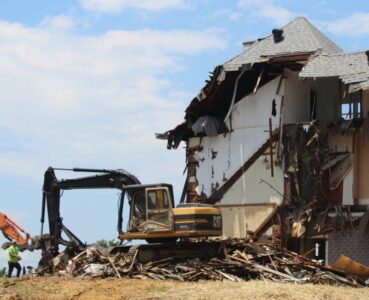
Residential demolition involves taking down part or all of a house or other structure on private property. It can be a full teardown to clear the land for new construction. Sometimes only parts are removed, like a garage, porch, or interior walls during remodeling. Demolition may be done by hand, but heavy equipment like excavators and bulldozers are used to speed up work. A typical residential demolition project includes:
- permits and inspections required by local authorities;
- utility disconnection (gas, water, electricity, sewer);
- removal of hazardous materials (asbestos, lead paint, mold);
- structural teardown;
- sorting and hauling debris;
- site cleanup and basic grading.
Pay attention, that every project starts with a defined scope, so the team knows exactly what’s being removed — and what needs to be protected or left untouched.
Types and methods of residential demolition
Residential demolition comes in various types and methods, each suited to different project needs. Full demolition removes the entire structure, ideal for unsafe or damaged buildings, while selective and interior demolition focus on removing only certain parts to preserve other areas or prepare for remodeling.
Methods range from manual hand tools to heavy machinery and even controlled explosives for large or complex buildings. The choice of method greatly affects cost, timeline, and cleanup.
- Mechanical demolition is faster but often more expensive and produces more debris, requiring heavy equipment for cleanup.
- Manual demolition takes more time but can be less costly and more precise, with lighter cleanup needs.
Selecting the right type and method depends on your project size, budget, and specific goals.
| Type/Method | Description | Best For / Use Case |
| Full/Total demolition | Complete removal of entire structure, including foundation, walls, roof, and interiors | Unsafe or severely damaged buildings; full rebuild |
| Selective (partial) demolition | Removal of specific parts while preserving others (e.g., kitchen, bathroom, garage) | Renovations, recycling materials |
| Interior demolition | Removal of interior components (walls, ceilings, floors) while keeping structural integrity | Remodeling, repurposing space |
| Deconstruction/Dismantling | Careful dismantling to salvage and reuse materials | Sustainable demolition, material reuse |
| Mechanical demolition | Use of heavy machinery (excavators, bulldozers) for fast demolition | Large-scale jobs requiring speed |
| Controlled explosive demolition | Use of explosives to bring down large structures safely | High-rise or large commercial buildings |
| Implosion | Type of explosive demolition collapsing a structure by targeting supports | Specialized demolition of large or complex buildings |
| Manual demolition | Hand demolition using tools (hammers, saws) | Small jobs, detailed work, heritage sites |
Getting permits and legal requirements
Before starting demolition in North Carolina, you’ll need a local building permit. This applies to both full and partial teardowns. Most counties follow rules under NC General Statute §160D-1110, which requires permits for any structural removal.
Cities like Raleigh and Guilford County have their own demolition permit processes. Expect to provide a site plan, proof of utility disconnection, and contractor details. Approval may take a few days to several weeks, depending on your location.
North Carolina law also requires an asbestos inspection by a licensed professional before demolition. Even if no asbestos is found, you must submit a 10-day notice to the state’s Health Hazards Control Unit (HHCU).
Bright LLC is a licensed demolition contractor in North Carolina. So, we can handle this paperwork for you — including permits, asbestos notifications, and inspection scheduling. Be sure to confirm this before work begins.
So, you’re going to start demolition. Prepare for process to save time and money
Before any walls come down, there are a few key steps that need to happen. These tasks may not be visible in the final result, but they’re essential for safety, legal compliance, and keeping the project on schedule.
Phase 1. Site inspection and surveys
The first step is a thorough inspection. Crews check for hazardous materials like asbestos or lead paint and identify any structural risks. A utility survey is also done to locate underground lines and plan safe disconnections.
Phase 2. Disconnecting utilities
Gas, electricity, water, and sewer must all be safely shut off. This usually involves coordination with utility companies and getting final approvals. Skipping this step can cause serious hazards and legal delays.
Phase 3. Salvage and recycling
If you plan to reuse or recycle materials — like bricks, wood, or fixtures — that must be decided upfront. Some items need to be removed by hand before machines come in. A recycling plan can also help reduce disposal costs.
Phase 4. Securing the site
Before work begins, the site must be secured. This includes installing fencing, warning signs, and barriers to keep unauthorized people out. It’s a safety requirement in most North Carolina municipalities.
And the most interesting part – the demolition process in action
This is the most visible part of the project — and usually the fastest. But even here, demolition follows a set of phases to keep everything safe, efficient, and on schedule.
Phase 1. Equipment setup
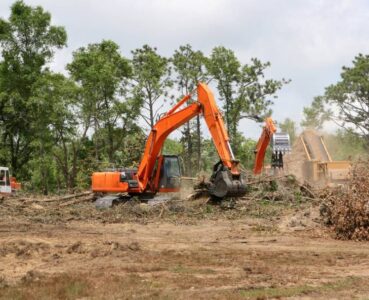
Heavy machinery like excavators, bulldozers, or skid steers is brought to the site. The crew reviews the plan one last time and walks the area to confirm safety zones.
Phase 2. Structural teardown
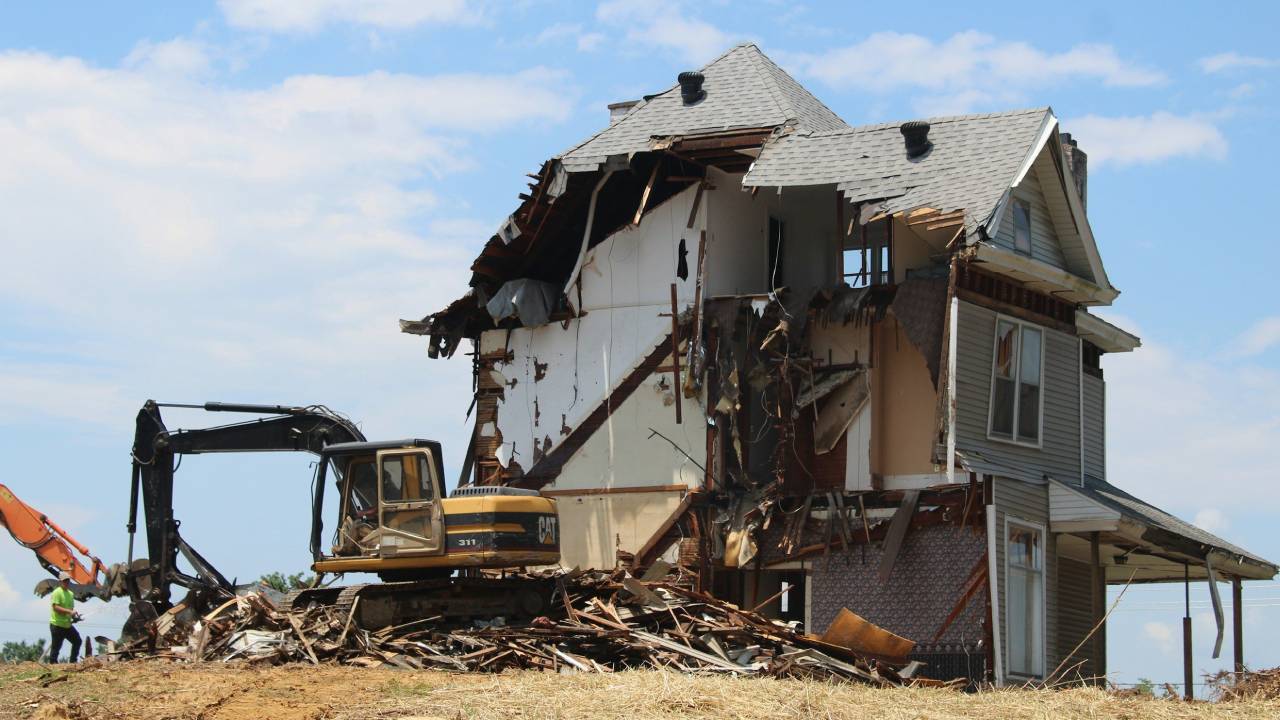
Demolition begins with the roof and upper parts of the structure. Crews work top-down to control the collapse and avoid damaging nearby structures. Load-bearing walls and foundations are taken down last.
Phase 3. Sorting and separating materials
As debris comes down, it’s sorted on-site — usually into wood, metal, concrete, and general waste. Recyclable materials are set aside for processing or pickup. This step helps reduce landfill costs and speeds up cleanup.
Phase 4. Debris removal
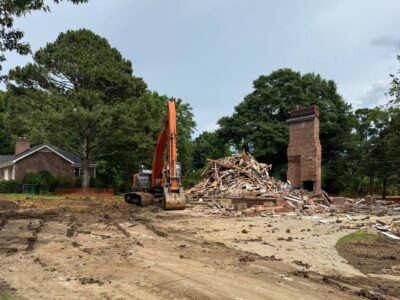
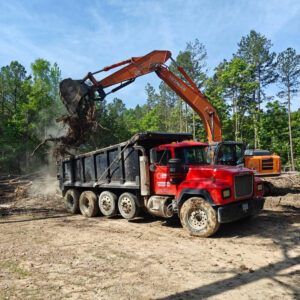
Once the structure is fully down, debris is loaded into dumpsters or trucks and hauled away. Some jobs require several rounds of removal, depending on the volume of material.
Phase 5. Site grading
After cleanup, the lot is leveled and compacted. If new construction is planned, the site may also be prepped for foundation work. Final inspections may be required by the city or county.
Costs of residential demolition in NC and budgeting tips
Of course, you should expect expenses when you start a demolition project. What is the price of demolition in NC? The cost to demolish a house in North Carolina can vary based on size, location, and site conditions. On average, a full residential demolition costs between $9,000 and $19,600 in areas like Raleigh, while in Fayetteville, the range is closer to $4,000 to $14,000. Most homeowners can expect to pay $5–$15 per square foot, depending on structure type and access.
What are you paying for? A good question. Basic demolition pricing usually includes:
- permits and inspections;
- utility disconnection;
- equipment and labor;
- debris hauling and disposal;
- final site cleanup and grading.
At Bright LLC, we believe in honest, accurate pricing — and that starts with seeing your property in person. Every site is different, and we want to give you a precise cost based on real conditions, not rough guesses. Book our demolition services today and let our team guide you through every step — safely, legally, and efficiently. We’re here to make the process simple and stress-free from start to finish.
Saving money on demolition
Here are some advice to avoid surprise costs:
- Do not rely on online estimation – contractors have to come to your place and tell the cost after they explore the site.
- Confirm what’s included in the price — especially if the team will work with asbestos removal or hazardous materials.
- Ask about salvage options if you plan to reuse or donate building materials.
- It will be wise to budget an extra 10–20% for unexpected issues.
- Review local landfill and recycling fees in advance.
Does insurance cover demolition? Standard homeowners insurance doesn’t cover planned demolition. You may need a separate builder’s risk or vacant property policy. Always make sure your contractor carries general liability insurance and provides proof before starting work.
Things we underestimate, but in vain
Communication with your contractor
Before the project starts, prepare a list of key questions to discuss, such as:
- How will unexpected issues be handled?
- What happens if hazardous materials are found?
- Who is responsible for obtaining permits and scheduling inspections?
- What is the expected timeline and how will updates be communicated?
- How are changes to the project scope managed?
Good communication with your demolition contractor is more important than many realize. Regular updates keep you informed about progress, any delays, and changes. Clear, ongoing communication helps avoid surprises and keeps the project on track.
Unexpected problems, such as hidden foundation damage or unmarked utilities, can arise during demolition. Your contractor should alert you immediately about any problems, clearly explain how they will impact costs and the project timeline, and discuss options and next steps with you before moving forward.
Safety and environmental considerations
Safety is key during demolition. These steps keep demolition safe, legal, and eco-friendly.
- Workers must wear proper PPE and restricted areas should be clearly marked. Follow OSHA demolition safety standards to reduce accidents.
- Noise and dust control protect neighbors. Use water sprays to limit dust and observe local noise and work-hour rules.
- Handling hazardous materials like asbestos and lead requires licensed professionals. North Carolina mandates asbestos inspections and removal under the NC HHCU Asbestos Program.
- Recycle materials when possible. Follow EPA guidelines for managing demolition waste responsibly.
Post-demolition cleanup and next steps
After demolition, cleanup begins with removing all debris, including leftover materials and dust. The site is then cleared and often graded to level the soil and prepare the lot for new construction. Depending on local rules, a final inspection or report may be required to confirm the site is safe and ready for building. Once cleanup and inspections are complete, the property is set for the next phase — whether that’s laying a new foundation, landscaping, or another project.
You’re now fully prepared to begin your demolition project
You’re now ready to start your demolition project. Keep in mind the important steps: know if you need full or partial demolition, get the right permits, safely disconnect utilities, and handle hazardous materials properly. Good communication and following safety rules are important too. Always hire licensed and insured professionals to protect yourself and your property.
Choose Bright LLC for demolition in North Carolina – we’ll handle everything with the highest level of professionalism
Need help? Contact Bright LLC for a free demolition quote or to talk with one of our experts. We’re here to make your project easy and safe.
Call professionals for demolition
Book our demolition services today and let our team guide you through every step — safely, legally, and efficiently. We’re here to make the process simple and stress-free from start to finish.
Related Services
Land clearing
Debris removal
Get in touch today