
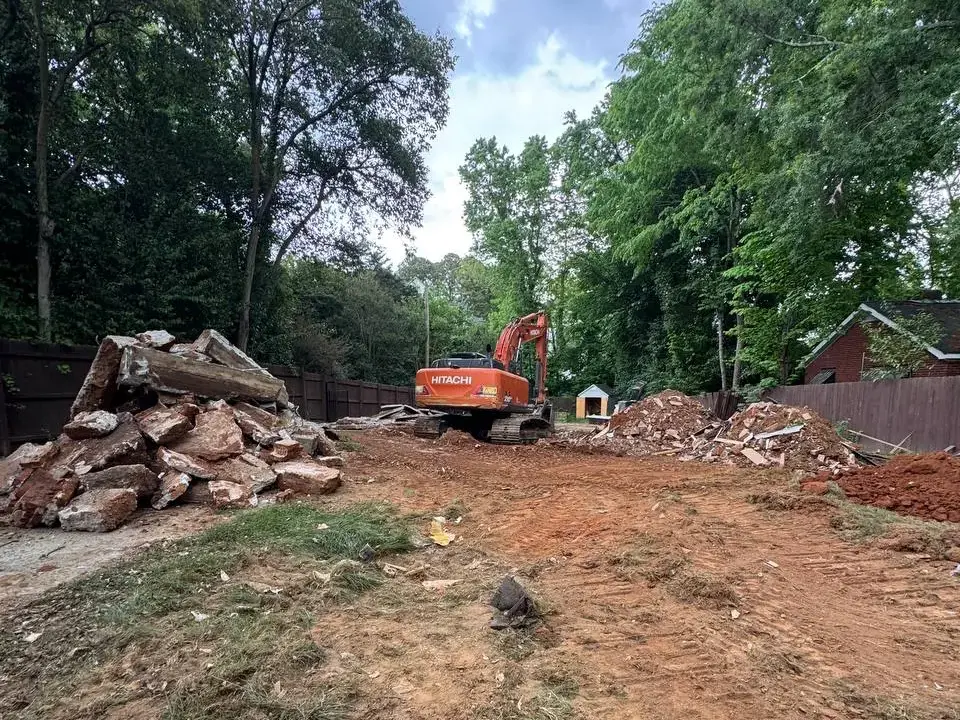
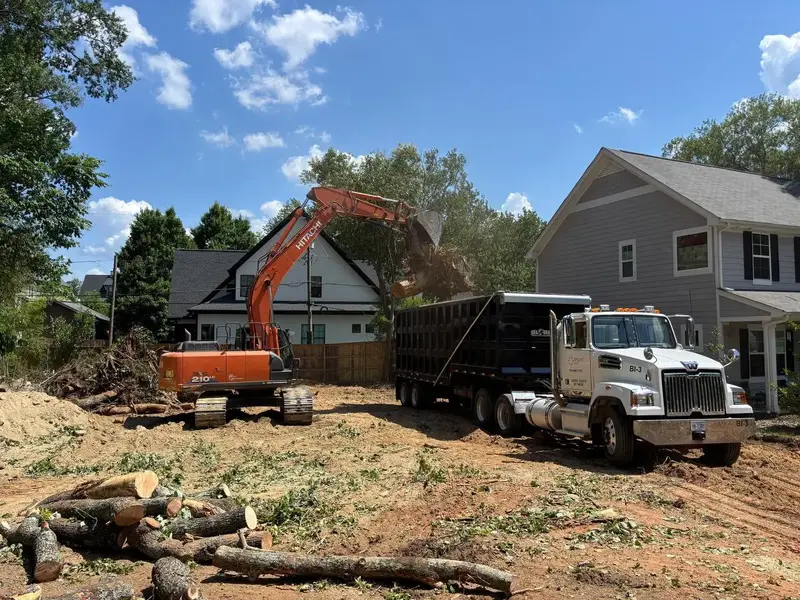
Lot clearing and rough grading project in Concord, NC
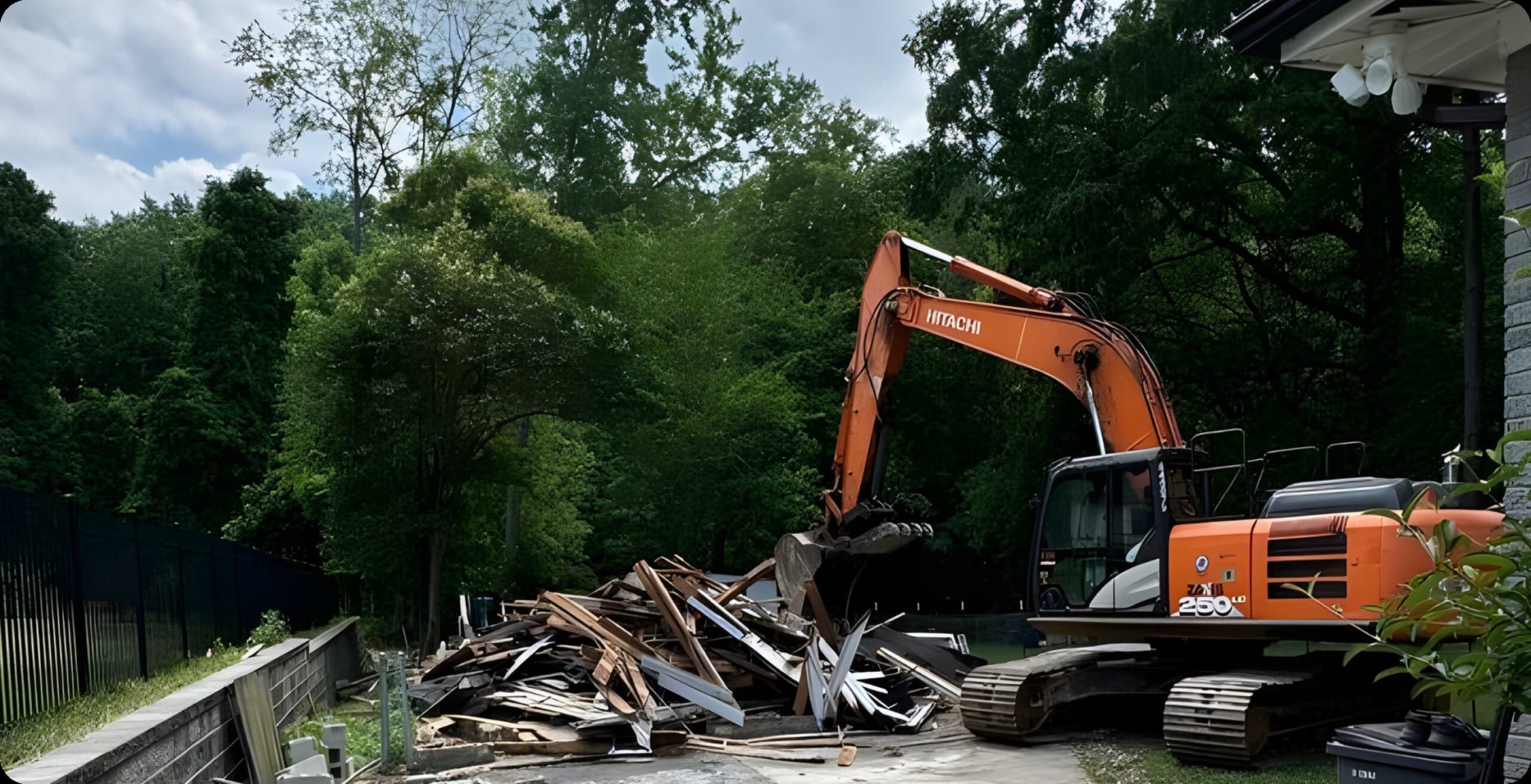
Bright LLC cleared brush and tree debris, hauled off material, shaped soil, and rough graded a residential lot in Concord so the property was open and ready for the next phase.
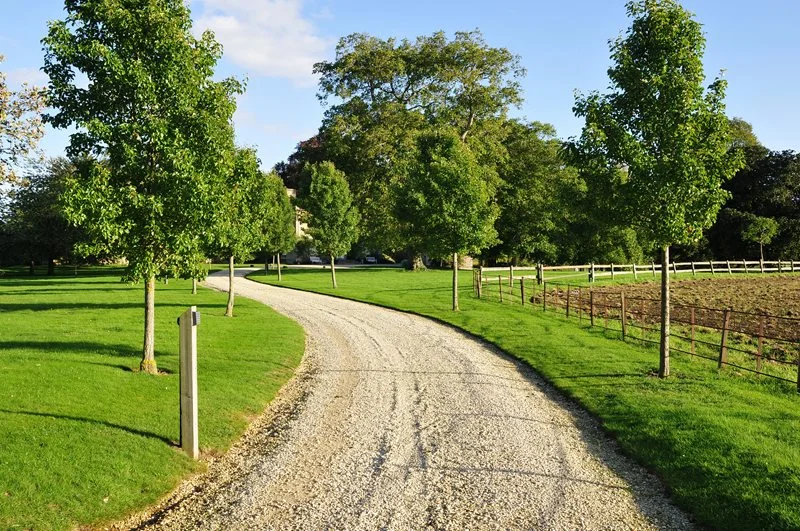
You bought the land. You can already picture the drive curving up to the house. Then the reality sets in: right now it is dirt, brush, and maybe a few trees, and somewhere under all of it is the driveway you want.
Here is the part most people get wrong. A gravel driveway is not a pile of stone spread over the ground. It is a layered structure, and the layer you never see does almost all of the work. The ruts, the potholes, the muddy low spots that plague cheap driveways almost never come from the gravel. They come from what happened, or did not happen, before the gravel arrived.
Preparing raw land for a driveway follows a clear order: clear the route, grade for drainage, excavate to depth, lay fabric, then build and compact the stone. Miss a step and the driveway fails from the bottom up, usually within a couple of years. Do it right and you barely think about it again. This guide walks through each stage, what it costs in 2026, and the questions worth asking before the first truck shows up.
Most people think a gravel driveway is just a pile of stone spread over the ground. That is exactly why so many fail. A driveway is a layered structure, and almost every problem you have ever seen, the ruts, the potholes, the muddy low spots, traces back to what happened before the gravel arrived.
Good site preparation is invisible when it is done right. You never notice the compacted base or the careful slope. You only notice when they are missing.
At Bright LLC we do this work in sequence: land clearing, grading, excavation, and gravel and material delivery. This guide walks through each stage so you know what to expect and what questions to ask.
A driveway is only as good as what is under it. The base does the work. The surface just shows.
Before anything else, the driveway route has to be cleared down to workable ground. That means removing trees, brush, stumps, roots, and any old surface material along the path and a working margin on each side.
Clearing is more than cutting things down. Roots and organic matter left in the ground will rot, and as they decompose they leave voids that let the driveway settle and sag. So clearing also means grubbing out roots and stripping the organic topsoil layer, which is not a stable base for traffic.
Land clearing typically runs about $1.20 to $2.00 per square foot, and heavily wooded lots cost more. Tree removal averages around $660 per tree, and stump removal runs roughly $2 to $4 per inch of trunk diameter. Debris has to go somewhere too, so factor in debris removal and haul-off.
Organic matter is the enemy of a stable driveway. If it can rot, it will, and the surface sinks with it.
This is the step that quietly decides whether your driveway survives. Grading shapes the cleared ground so water runs off instead of pooling, and so the surface sits level and stable.
Two things happen during grading:
Grading a driveway generally costs $0.50 to $2.00 per square foot for straightforward work, and more where the land slopes hard or drains poorly. If water currently runs toward the house or collects in a low spot, that has to be solved here, not later.
With the route cleared and roughly graded, the driveway profile is excavated to make room for the stone. A typical residential driveway needs 8 to 12 inches of excavation depth, deeper for soft clay soils that need a thicker base.
Excavation usually costs $1.00 to $2.00 per square foot. Soil type matters a lot here. Firm, well-draining soil is quick. Wet clay is slow, and it often needs a deeper base plus fabric to stay stable.
Here is the cheapest, most overlooked step in the whole project. Geotextile fabric is a permeable sheet that sits between the subgrade soil and the base gravel. It lets water through but stops the two layers from mixing.
Without it, your base stone slowly presses down into soft soil, and the soil pumps up into the stone. Within a year or two the driveway is rutted and thin. Fabric costs just $75 to $150 for a standard driveway and can save hundreds in replacement gravel over the following decade. For difficult soils, a geogrid adds even more stability.
A proper gravel driveway is not one material. It is three compacted layers, each with a different job.
| Layer | Common material and names | Typical depth | What it does |
|---|---|---|---|
| Base course | Crusher run, ABC, quarry process, #411 | 4 to 6 inches | Carries the load and spreads weight |
| Middle course | #57 crushed stone | 2 to 3 inches | Drains water and locks the base |
| Surface course | #8 stone, crusher-run fines, or pea gravel | 1 to 2 inches | The driving surface you see |
Table 1. The three layers of a gravel driveway.
Each layer is spread and compacted separately. Compaction is the single biggest factor in how long the driveway lasts, and it is where professional equipment earns its keep. A dumped, uncompacted pile of gravel is not a driveway. It is a future repair.
Gravel names are confusing because the same material goes by several names. Here is a quick translation.
| Gravel type | Also called | Best used as |
|---|---|---|
| Crusher run | ABC, quarry process, dense grade, #411 | Base layer, compacts rock-hard |
| #57 stone | Clean 3/4-inch crushed stone | Middle drainage layer |
| #8 stone / pea gravel | Fine crushed or rounded stone | Surface course |
| Recycled concrete | Crushed concrete aggregate | Budget base layer |
| Recycled asphalt | Millings, RAP | Budget self-compacting surface |
Table 2. A plain-language guide to driveway gravel.
Buy in bulk from a local source rather than bagged stone, which can cost three to five times more per ton. If you want a refresher on how bulk material is measured and how it differs from soil, see our guide on fill dirt vs topsoil vs clean fill.
Bulk stone is sold by the cubic yard or the ton. To find cubic yards, use this formula:
Square feet × depth in inches ÷ 324 = cubic yards.
For example, a 1,000 square foot driveway with a total of 8 inches of stone needs 1,000 × 8 ÷ 324, or about 24.7 cubic yards. Then add 10 to 15 percent for compaction and edge spillage, so you would order around 28 cubic yards.
Order 10 to 15 percent extra. Compaction takes about 10 percent, and spillage takes the rest. Running short means paying a second delivery fee for a small load.
Phase by phase, here is where the money goes.
Put together, a finished gravel driveway commonly runs $1 to $5 per square foot installed, and up to around $10 when heavy site preparation, tree removal, or drainage work is involved. For a 1,000 square foot driveway, that is roughly $4,000 to $10,000 on the higher-prep end. Gravel is still the most affordable paved option, well below asphalt and concrete.
| Phase or item | Typical cost |
|---|---|
| Land clearing | $1.20 to $2.00 per sq ft |
| Grading | $0.50 to $2.00 per sq ft |
| Excavation | $1.00 to $2.00 per sq ft |
| Geotextile fabric | $75 to $150 total |
| Gravel driveway, installed | $1 to $5 per sq ft |
| Tree removal | around $660 per tree |
| Stump removal | $2 to $4 per inch of diameter |
Table 3. Gravel driveway cost quick reference. Confirm local pricing.
Costs drop per square foot on longer driveways, because setup and mobilization are fixed. They rise with rock, steep slopes, poor drainage, and long hauls.
This article is general information, not engineering advice. Soil, slope, and drainage vary by site. A professional assessment is worth it before a big driveway project.
Because these steps depend on each other, doing them with one crew keeps the driveway consistent from the subgrade up. We clear the route, grub the roots, grade for drainage, compact the subgrade, lay fabric, and deliver and compact each gravel layer, then finish with a clean, crowned surface.
Bright LLC provides land clearing, grading, excavation, and gravel and fill delivery across Charlotte, Concord, Huntersville, Matthews, Waxhaw, Gastonia, and the surrounding Carolinas. See finished work on our project gallery, read more guides on our blog, or learn about our team on the about page.
A lasting driveway is built in the right order: clear the route, grade for drainage, excavate to depth, lay fabric, then build and compact three gravel layers. The visible stone is the smallest part of the job. The base, the slope, and the compaction underneath are what carry the weight and shed the water for years.
Clear, grade, fabric, base, surface. Miss a step and the driveway fails from the bottom up.
Planning a new driveway on raw land? Contact Bright LLC for a free clearing, grading, and gravel quote, and we will build it to last from the subgrade up.
A proper gravel driveway has three compacted layers over a fabric-covered subgrade: a base course of crusher run or ABC (4 to 6 inches), a middle course of #57 crushed stone (2 to 3 inches), and a surface course of finer stone or pea gravel (1 to 2 inches). Each layer is compacted separately.
Most residential gravel driveways are excavated 8 to 12 inches deep to hold all three gravel layers. Soft clay soils need the deeper end plus geotextile fabric. The total finished stone depth is usually 8 to 12 inches.
Crusher run (also called ABC or quarry process) is the standard base because it compacts hard. A middle layer of #57 stone adds drainage, and a surface of #8 stone or crusher-run fines gives a smooth driving surface. Recycled concrete or asphalt can serve as budget alternatives.
A finished gravel driveway typically costs $1 to $5 per square foot installed, and up to about $10 with heavy clearing, grading, or drainage work. For a 1,000 square foot driveway, budget roughly $4,000 to $10,000 on the higher-prep end. It remains cheaper than asphalt or concrete.
In most cases, yes. Geotextile fabric costs $75 to $150 and prevents the base stone from sinking into soft soil, which is the most common reason gravel driveways fail within the first two years. On very firm, well-draining soil it is less critical, but it is cheap insurance.
A crown or cross-slope of about 1 to 2 percent is standard. That is enough to shed water to the sides without being uncomfortable to walk or drive on. Proper slope is the main defense against puddles, ruts, and potholes.
Yes. We handle the full sequence: land clearing, stump and debris removal, grading for drainage, excavation, and gravel and fill delivery across the Charlotte metro and surrounding Carolinas. Request a free quote.
Building a driveway from raw land? Bright LLC clears, grades, and delivers the gravel, and builds it to last. Get your free quote today.
It looks like the simplest job on the site. Dig a ditch, drop in the pipe or the conduit, cover it back up. How hard can a trench be?
Hard enough that North Carolina has a law about it, OSHA has a whole standard for it, and a buried utility line gets struck somewhere in the state about every nine minutes. A trench sits at the intersection of things you cannot see, rules you cannot skip, and a physical hazard that has killed workers who treated it casually. The pipe is the easy part. The depth, the permits, the locate call, the inspection, and the safe walls around you are where the real work lives.
Whether you are running a new water service to a build, tying in a sewer lateral, or pulling power to a detached garage, the sequence is what protects you. Call 811 and wait the required days. Match the depth to the utility, because water, sewer, and electric each follow a different rule. Pull the permits, pass the inspection before you backfill, and never underestimate a five-foot hole. This guide walks through the whole process, what it costs, and what to expect at every step.
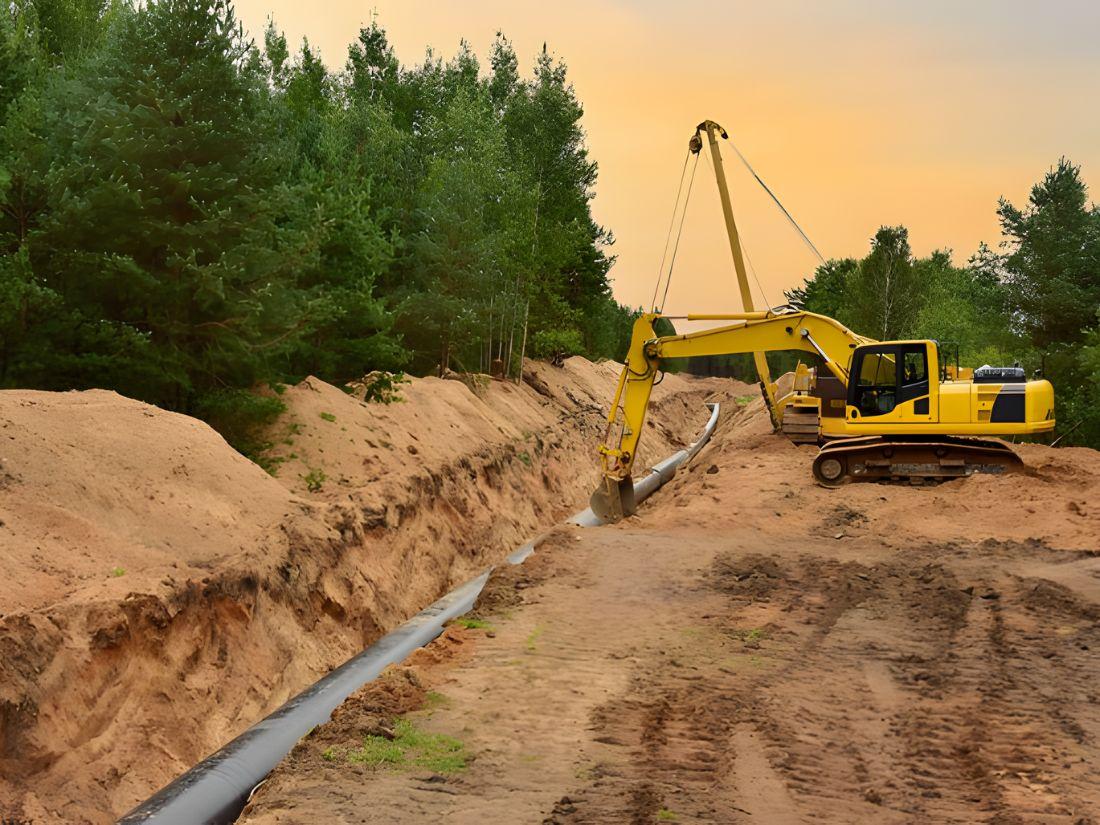
Running a new water, sewer, or electric line sounds simple. You dig a ditch, drop in the pipe or conduit, and cover it back up. In practice, trenching sits at the intersection of buried hazards, building codes, permits, inspections, and real physical danger. Getting any one of them wrong is expensive, and sometimes worse.
At Bright LLC we handle excavation and site work across the Charlotte area, so we run utility trenches as part of new builds, teardown and rebuild projects, and site prep. This guide walks through what actually happens, in order, and what to expect at each step.
A trench is not just a hole. It is a code-governed, permitted, and potentially dangerous piece of construction.
This is the non-negotiable first move, and in North Carolina it is the law. The Underground Utility Safety and Damage Prevention Act (NC General Statute Chapter 87, Article 8A) requires anyone who excavates or demolishes to notify NC811 at least three full working days before starting. That law took effect in 2014, after a 2010 death in which an excavator bored into an unmarked electric cable.
Here is how the process works:
Once lines are marked, respect the tolerance zone: 24 inches on each side of the mark, plus the width of the line itself. Inside that zone, you dig by hand, not by machine.
Calling 811 is free and legally required. Skipping it can mean a severed gas main, a killed power feed, or a five-figure repair bill.
Depth is where most people guess wrong. Each utility answers to a different rule, so the depths are not the same.
Because these depths vary by code edition, utility owner, and site, always confirm with your local building department and the utility before digging.
Sometimes, and sometimes never. The rules exist to prevent contamination and interference.
| Utility | Typical depth | What sets the depth | Key rule |
|---|---|---|---|
| Water | ~12 in cover or more | Frost line and traffic loads | Cannot share a trench with sewer |
| Sewer | Varies, often deepest | Gravity slope to the main | Continuous downward grade required |
| Electric | 24 in buried, 18 in conduit | Electrical code and voltage | Can share a joint trench with gas or comms |
Table 1. How water, sewer, and electric lines compare underground.
Here is what a professional utility trench job actually looks like from start to finish.
| Step | What happens |
|---|---|
| 1. Plan the route | Map the shortest, straightest path from the connection point to the structure |
| 2. Locate | Call NC811 and hire a private locator for any private lines |
| 3. Permit | Pull the plumbing, electrical, or right-of-way permits your project requires |
| 4. Excavate | Dig to code depth, with a protective system if the trench reaches five feet |
| 5. Bed and lay | Add bedding material, lay the pipe or conduit, and add tracer wire and warning tape |
| 6. Inspect | Pass the required inspection before any backfill covers the line |
| 7. Backfill and restore | Compact the backfill in lifts, then regrade and reseed the surface |
Table 2. The seven stages of a utility trench installation.
The inspection step matters more than people expect. Most jurisdictions require an inspection before you backfill. Cover the line too soon and you may have to reopen the trench at your own cost.
Trenching is usually priced by the linear foot, and the number climbs with depth, soil hardness, and the utility involved.
A few cost realities worth planning around, based on national data from sources like HomeAdvisor:
| Cost item | Typical range |
|---|---|
| Basic trench dig | $5 to $12 per linear foot |
| Water line, installed | $15 to $25 per linear foot |
| Sewer line, installed | $25 to $40 per linear foot |
| Electric line, installed | $5 to $15 per linear foot |
| Directional boring | $10 to $30 per linear foot |
| Plumbing permit (water/sewer) | $150 to $500+ |
| Electrical permit | $100 to $400+ |
| Street or right-of-way cut permit | $200 to $800+ |
| Getting utilities to raw land | $6,500 to $30,000 |
Table 3. Trenching and utility cost quick reference. Confirm current local pricing.
This is the reason trenching is not a casual weekend project. Trench collapses kill workers every year, and they happen fast.
Under OSHA’s excavation standard (Subpart P), any trench five feet deep or more requires a protective system, such as sloping the walls, shoring them, or using a trench box, unless the excavation is in stable rock. At 20 feet, the system must be engineered. A competent person must inspect the trench daily.
The physics are unforgiving. A single cubic yard of soil weighs around 3,000 pounds, about the weight of a small car. A worker buried to the waist cannot free themselves, and a full collapse gives no warning.
A trench five feet deep can kill. One cubic yard of soil weighs about as much as a small car, and a cave-in gives no warning.
This is why we keep spoil piles back from the edge, use protective systems, and treat every deep trench as a hazard. It is also why deep utility trenching belongs with a licensed, insured crew, not a rented trencher and good intentions. You can read the full standard on OSHA’s trenching and excavation page.
This article is general information, not code or legal advice. Requirements vary by jurisdiction and utility. Confirm depths, permits, and separations with your local authority before digging.
Utility trenching rarely happens alone. It is usually one piece of preparing a site, alongside land clearing and grading, foundation work, and debris removal. Doing them in the right order, with the same crew that understands the grade and drainage, keeps the project clean and avoids reopening finished ground.
Bright LLC provides excavation, trenching, grading, and site preparation across Charlotte, Concord, Huntersville, Matthews, Gastonia, and the surrounding Carolinas. See finished work on our project gallery, read more guides on our blog, or learn about our team on the about page.
Trenching for water, sewer, or electric is straightforward when you respect the sequence. Call 811 and wait the required three working days. Confirm the right depth for each line, since water, sewer, and electric each follow a different rule. Keep water and sewer apart. Pull your permits, pass inspection before backfill, and treat any deep trench as the serious hazard it is.
The dig itself is the cheap, fast part. The locate, the permit, the correct depth, and the inspection are what protect you.
Planning to run new lines on your property? Contact Bright LLC for a free excavation and trenching quote, and we will handle the locates, depth, and site restoration the right way.
Yes. North Carolina law requires anyone excavating or demolishing to notify NC811 at least three full working days before starting. The service is free. Member utilities then mark their lines or confirm no conflict. Skipping this step is illegal and dangerous.
It depends on the utility. Water lines commonly need at least about 12 inches of cover and should sit below the frost line. Sewer depth is set by gravity slope and is often the deepest. Direct-buried electric is typically 24 inches, with conduit around 18 inches. Confirm exact depths with local code.
No. Building codes prohibit it to prevent contamination of drinking water. They require horizontal and vertical separation, with the water line placed above the sewer line. Electric, gas, and communications lines can often share a joint trench when properly separated.
A basic trench runs about $5 to $12 per linear foot. Water lines run roughly $15 to $25, sewer $25 to $40, and electric $5 to $15, installed. Directional boring under a driveway costs $10 to $30 per foot. Rock, hard soil, and hand-digging increase the price.
Usually yes. Water and sewer work generally needs a plumbing permit, electrical work needs an electrical permit, and cutting a street or right-of-way needs a separate permit. Inspections are typically required before backfill. Confirm with your local building department.
Most single-utility residential trenches take one to two days of actual digging, plus another one to three days for permits, locates, and inspection. Machine trenching 100 feet can take just two to three hours, while hand-digging the same length can take all day.
Yes. We handle excavation, utility trenching, grading, and full site preparation across the Charlotte metro and surrounding Carolinas, including the locates, correct depths, inspections, and surface restoration. Request a free quote.
People treat fill dirt, topsoil, and clean fill as three options on the same menu. They are not. Two of them are materials, and one is a quality standard.
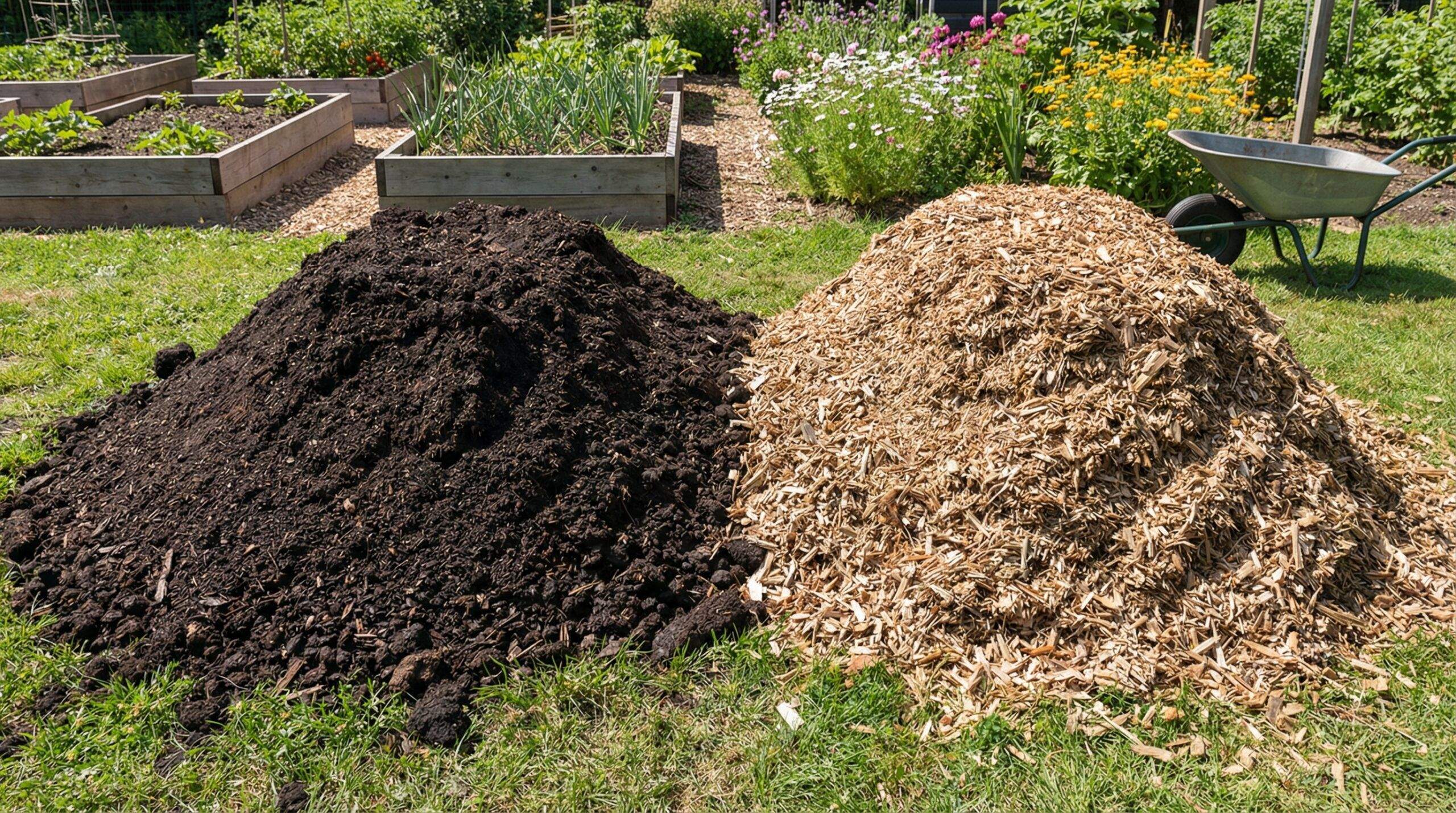
Get this framing right and almost every ordering question answers itself. Fill dirt builds the shape of your land. Topsoil grows what sits on top of it. Clean fill just tells you what is not in the dirt.
Fill dirt is the subsoil layer found beneath the topsoil. It is mostly clay, sand, silt, and rock, with very little organic material. That is exactly what makes it useful. Because it contains almost nothing that can decompose, fill dirt compacts tightly and stays put instead of settling over time.
Use fill dirt when you need to change the ground itself:
Fill dirt comes in a few grades. Common (unscreened) fill dirt is cheapest and may contain rocks and roots. Clean (screened) fill dirt is run through a mesh to remove debris, so it is easier to work with. Structural or engineered fill is a premium, highly compactable grade certified for load-bearing use under buildings and driveways.
Topsoil is the uppermost layer of natural soil, usually the top 2 to 12 inches. It is dark, crumbly, and alive with organic matter, microorganisms, and the nutrients that plants need. The North Carolina State Extension soil resources explain how that organic content and structure drive healthy plant growth.
Use topsoil anywhere you want things to grow:
The same organic matter that makes topsoil great for plants makes it terrible for structure. It holds moisture, shifts, and slowly decomposes, so anything built on pure topsoil will settle and crack. That is why topsoil goes on top, never underneath.
The organic matter that makes topsoil perfect for a garden is exactly what makes it wrong for a foundation.
This is the term that causes the most confusion, so it deserves a clear answer. Clean fill is not a third kind of dirt. It is a description of quality. Clean fill is any inert material that is free of contaminants, solid waste, organic debris, and hazardous substances, which makes it safe and legal to place as fill.
In North Carolina, this has a real regulatory meaning. The NC Department of Environmental Quality defines inert debris that can serve as “beneficial fill” as a specific, limited list: unpainted concrete, brick, concrete block, uncontaminated soil, rock, gravel, and used asphalt. That fill cannot go into floodplains, wetlands, or surface waters, and it must improve the land’s use.
So “clean fill” can be clean fill dirt, or it can be crushed concrete and brick from a demolition. What matters is that it is inert and uncontaminated. This is where demolition and material delivery meet. When we tear down a structure, clean concrete and brick can sometimes be crushed and reused as clean fill instead of hauled to a landfill.
Because “clean fill” is defined differently across jurisdictions, always confirm what your city or county allows before you place it.
| Feature | Fill dirt | Topsoil | Clean fill |
|---|---|---|---|
| What it is | Subsoil, minimal organics | Rich upper soil layer | A quality standard, often clean fill dirt |
| Main job | Volume, structure, elevation | Growing plants | Safe, inert placement |
| Organic matter | Very low | High | None (must be inert) |
| Compacts well | Yes | No | Yes, if soil-based |
| Grows plants | No | Yes | No |
| Typical cost per cubic yard | $5 to $30 | $25 to $55 | Varies by material |
Table 1. Fill dirt, topsoil, and clean fill at a glance.
| Your project | Use this | Why |
|---|---|---|
| Raise or level a low yard | Fill dirt | Compacts and holds elevation |
| Backfill around a foundation | Clean fill dirt | Stable and free of debris near the structure |
| Base under a driveway or slab | Structural fill | Certified to bear load without settling |
| Fill an old pool or basement | Fill dirt or clean fill | Large volume, must be inert and stable |
| Start a new lawn | Topsoil | Feeds seed and sod |
| Build a raised garden bed | Topsoil or garden soil blend | Nutrients and drainage for roots |
| Fix drainage low spots | Fill dirt, then topsoil on top | Reshape the grade, then grow over it |
| Reuse demolition concrete | Clean fill (inert debris) | Recycles material and cuts disposal cost |
Table 2. The right material for common Charlotte-area projects.
A common project uses two materials in layers: fill dirt to build the grade, then a few inches of topsoil on top so grass will grow. If you are regrading after a teardown or a big landscaping change, plan for both.
Bulk material is sold by the cubic yard, but you measure your project in square feet and inches. Here is the one formula that connects them:
Square feet × depth in inches ÷ 324 = cubic yards needed.
For example, to raise a 500 square foot area by 4 inches: 500 × 4 ÷ 324 = about 6.2 cubic yards. Add 15 percent for compaction and you would order roughly 7 cubic yards.
The chart below shows how far a single cubic yard stretches as you change the spread depth.
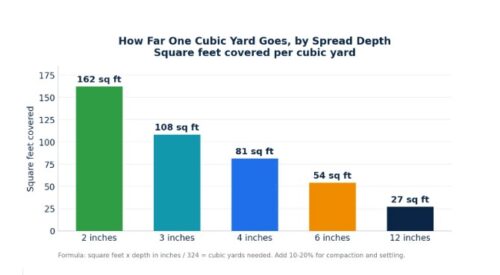
Graph 1. Coverage of one cubic yard at different depths. Deeper fills eat material fast.
| Job | Area and depth | Approx. material |
|---|---|---|
| Level a low spot | 300 sq ft at 3 in | 2.8 cubic yards |
| New lawn topsoil | 1,000 sq ft at 3 in | 9.3 cubic yards |
| Raised garden bed | 100 sq ft at 8 in | 2.5 cubic yards |
| Backfill a foundation edge | 400 sq ft at 12 in | 14.8 cubic yards |
| Raise a small yard | 1,500 sq ft at 6 in | 27.8 cubic yards |
Table 3. Quick estimates. Add 10 to 20 percent for compaction and settling.
Order by the cubic yard, and always add 10 to 20 percent. Coming up short means paying a second delivery fee for a small load.
Price tracks organic quality and screening. Rough, structural material is cheap. Rich, screened, plant-ready soil costs more.
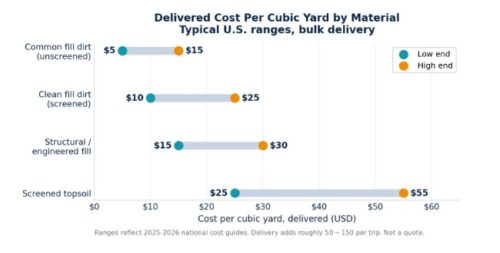
Graph 2. Typical delivered cost ranges. Source: 2025 to 2026 national cost guides. See HomeAdvisor for current figures.
A few pricing realities worth knowing, drawn from national cost data compiled by sources like HomeAdvisor:
Material choice is really a grading and drainage decision, and that is where it ties back to bigger projects. After a demolition or land clearing job, a lot usually needs fill dirt to rebuild the grade and topsoil to re-establish ground cover. Do it in the wrong order, or with the wrong material, and you invite settling and runoff.
Bright LLC handles the whole chain, so the materials match the plan: demolition, debris removal, grading, and delivery of fill dirt, topsoil, gravel, and more across the Charlotte metro. See finished work on our project gallery or read more guides on our blog.
Fill dirt, topsoil, and clean fill are easy to confuse and easy to get right once you know the rule. Fill dirt builds structure and elevation. Topsoil grows plants. Clean fill is a standard for inert, contaminant-free material, not a separate product. Match the material to the job, order by the cubic yard with a compaction buffer, and layer fill dirt below topsoil when you need both.
Choose by what the ground needs to do. Hold weight, or grow life. That one question picks your material.
Not sure how much you need or which grade fits your project? Contact Bright LLC for material delivery and site prep across Charlotte, Concord, Huntersville, Matthews, Gastonia, and the surrounding Carolinas, or learn more about our team.
Fill dirt is subsoil with little organic matter, so it compacts and holds its shape for structural jobs like leveling and backfilling. Topsoil is the rich upper soil layer full of organic matter, used for growing lawns, gardens, and plants. They are not interchangeable.
Not exactly. Clean fill is a quality standard meaning inert, contaminant-free material. It is often clean fill dirt, but it can also include uncontaminated soil, rock, gravel, and unpainted concrete or brick. Fill dirt can be clean or unscreened, so “clean fill” describes the quality, not the specific material.
No. Fill dirt lacks the organic matter and nutrients grass needs, so seed and sod struggle in it. Build your grade with fill dirt, then add a few inches of topsoil on top as the growing layer.
You should not use it for structural fill. Topsoil holds moisture, shifts, and decomposes over time, so anything built on it will settle and crack. Topsoil belongs on top of a stable base, not underneath a structure.
Use this formula: square feet times depth in inches, divided by 324, equals cubic yards. Then add 10 to 20 percent for compaction and settling. For example, a 1,000 square foot area at 3 inches deep needs about 9.3 cubic yards, so order around 11.
As a rough guide, fill dirt runs about $5 to $30 per cubic yard delivered depending on grade, and screened topsoil runs about $25 to $55. Delivery is usually a flat trip fee of roughly $50 to $150. Confirm current local pricing before ordering.
Often yes. In North Carolina, unpainted concrete, brick, and concrete block are inert debris that can serve as beneficial fill when placed correctly and not in floodplains or waterways. This can recycle material and reduce disposal costs, but confirm your local rules first.
This is the single most common point of confusion, so start here. Concord is a city inside Cabarrus County, and the two governments split the work.
The good news is you do not file twice. Cabarrus County, Concord, and Kannapolis share a single Accela Citizen Access permitting portal, described by the county as a one-stop shop for planning, zoning, permitting, and inspections. As the City of Concord permits page explains, applications are reviewed by both the city for zoning and the county for building, so there is no need to submit separately to both.
In Concord, you apply once. The city checks zoning, the county issues the permit.
Residential reviews commonly process in about 5 to 7 business days, though commercial reviews take considerably longer. Build extra time into your schedule if your project touches a historic district or needs asbestos abatement.
Requirements change, so confirm current details with Cabarrus County Construction Standards and Concord Planning before you rely on any timeline.
For Concord projects, Bright LLC currently uses planning ranges of $8,000–$20,000 for small homes of 800–1,200 square feet, $15,000–$35,000 for medium homes of 1,200–2,000 square feet, and $35,000–$50,000+ for large homes of 2,000–3,500+ square feet. These are planning ranges, not quotes. Basements, asbestos, access, foundation removal, and disposal needs can raise the final price.
Graph 1. Estimated demolition cost range by home size in Concord. Ranges reflect local and regional cost data, not a quote.
| Cost factor | Effect on price | Why |
|---|---|---|
| Square footage | Largest single driver | More structure means more labor, equipment, and disposal |
| Basement or crawl space | Adds meaningfully | Requires demolition, backfill, and compaction |
| Asbestos or lead paint | Adds significantly | Licensed abatement before demolition |
| Site access | Moderate | Tight lots and narrow streets slow equipment |
| Concrete and hardscape | Moderate | Driveways, slabs, and walls are separate removals |
| Distance to disposal | Moderate | Haul-off mileage and landfill tipping fees |
| Utility disconnects | Small but required | Provider fees and scheduling |
| Detached structures | Varies | Garages, sheds, and pools are priced separately |
Table 1. What moves the cost of a house demolition in Concord.
Square footage sets the baseline. Basements, asbestos, and access decide whether you land at the low end or the high end.
If you have researched demolition in Charlotte, set that knowledge aside for a moment. The EPA delegated NESHAP asbestos authority to local environmental agencies in only three North Carolina counties: Buncombe, Forsyth, and Mecklenburg. Cabarrus County is not one of them.
That means a Concord demolition is regulated by the state. The North Carolina Health Hazards Control Unit (HHCU), part of NCDHHS Division of Public Health, administers the asbestos program and receives notifications for Cabarrus County projects.
A few points that matter in practice:
Because the rules depend on the structure type and what the survey finds, confirm your specific obligations with the NC Health Hazards Control Unit or let your contractor handle the filing.
Concord has a genuinely significant historic core, and the city maintains local historic districts administered by the Concord Historic Preservation Commission under its Historic District Handbook and Design Standards.
If your property sits in one of those districts, you need a Certificate of Appropriateness (COA) before demolishing or removing a structure, or even altering exterior features. Under North Carolina law, a preservation commission can also delay a demolition for a defined period to allow time to find an alternative, with limited hardship exceptions.
A historic district COA is not a formality. It can add months, and it can stop a teardown outright.
Find out early. A single phone call to Concord Planning before you buy or plan a project can save you a great deal of money and time.
Most single-family teardowns take only a few days of actual machine work. The schedule is driven by paperwork and utility coordination, not by the demolition itself.
Graph 2. Illustrative project timeline. Historic district review or asbestos abatement extends the schedule.
From first call to graded lot, a straightforward Concord project commonly runs about three to five weeks, with the actual teardown taking only a handful of days near the end.
Many of our clients own property in both counties, so here is a direct comparison.
| Item | Concord (Cabarrus County) | Charlotte (Mecklenburg County) |
|---|---|---|
| Zoning review | City of Concord Planning | City of Charlotte |
| Building/demolition permit | Cabarrus County Construction Standards | Mecklenburg County Code Enforcement |
| Permit portal | Shared Cabarrus/Concord/Kannapolis Accela | Mecklenburg Accela |
| Asbestos authority | State (NC HHCU) | Local delegated agency (Mecklenburg) |
| Historic review | Concord Historic Preservation Commission | Charlotte-Mecklenburg Historic Landmarks Commission |
Table 2. Key differences between demolishing a house in Concord and in Charlotte.
This article is general information, not legal advice. Permit requirements and fees change. Confirm current rules with the City of Concord and Cabarrus County before you commit.
Once the structure is gone, the work that determines your lot’s value begins: full debris haul-off, foundation and slab removal, backfilling, and final grading that drains water away from the property line. A clean, graded, build-ready lot is worth substantially more to a builder than a rough cleared site.
If you are weighing what comes next, our guide on what to do with the land after a house is torn down walks through the options, from a new build to an ADU to holding the parcel as open space.
Demolishing a house in Concord is straightforward once you know the structure: Concord reviews zoning, Cabarrus County issues the permit, and both live in one Accela portal. Use Bright LLC’s current size-based planning ranges, allow several weeks for permits and utility coordination, and settle the asbestos and historic district questions before anything else.
The demolition takes days. The permits, utilities, and reviews take weeks. Plan for the paperwork.
Bright LLC serves Concord and other confirmed locations across North Carolina and South Carolina. For Concord projects, services can include house demolition, debris haul-off, foundation removal, backfill, compaction, land clearing and site preparation, and final grading. See our project gallery, read more on our blog, or contact us for a free quote with no obligation.
Yes. A demolition permit is required. The City of Concord reviews zoning and Cabarrus County Construction Standards issues the building permit, both through the shared Accela Citizen Access portal. You submit once and both reviews run from that application.
Bright LLC’s current planning ranges are $8,000–$20,000 for small homes, $15,000–$35,000 for medium homes, and $35,000–$50,000+ for large homes. Basements, asbestos, access, and disposal needs can increase the final price. Get a site-specific estimate.
Residential reviews in Cabarrus County commonly process in roughly 5 to 7 business days. The full project, including asbestos notification, utility disconnects, and grading, usually runs about three to five weeks.
Have one done on any older home. NESHAP demolition notification requirements apply to commercial, institutional, and industrial buildings and to residential structures with more than four dwelling units, so a single-family home is generally outside that scope. Asbestos still must be handled safely, and your contractor should confirm obligations with the NC Health Hazards Control Unit.
The state. EPA delegated NESHAP authority to local agencies only in Buncombe, Forsyth, and Mecklenburg counties. For Concord and the rest of Cabarrus County, the NC Health Hazards Control Unit within NCDHHS administers the program.
You will need a Certificate of Appropriateness from the Concord Historic Preservation Commission before demolishing or removing the structure. North Carolina law also allows a preservation commission to delay demolition, so check your property’s status early.
Yes. Water, sewer, gas, and electric service must be capped or disconnected before demolition begins. Contact each provider well in advance, since scheduling these disconnects is the most common cause of project delay.
Yes. Concord is a confirmed Bright LLC service area. Services can include house demolition, debris haul-off, foundation removal, backfill, compaction, land clearing, site preparation, and final grading. Request a free quote for demolition, debris removal, or site preparation.
Planning a teardown in Concord? Bright LLC provides demolition permit assistance, completes the demolition and debris haul-off, and can prepare the lot for its next stage. Get your free estimate today.
Whether you’re building a foundation, improving drainage, or creating a driveway, we deliver the right type and amount of gravel — directly to your site, on schedule. No wasted trips, no short loads, no mess.
We deliver and spread durable driveway gravel to repair, resurface, or build new driveways that can handle heavy use and weather. Smooth finish, long-lasting results.
Gravel improves drainage and prevents soil washout. We deliver and spread the right size aggregate to redirect water and protect your property from erosion.
From base rock to fill material, we supply screened, compactable gravel for stable foundations and proper grading. Delivered in bulk for any size project.
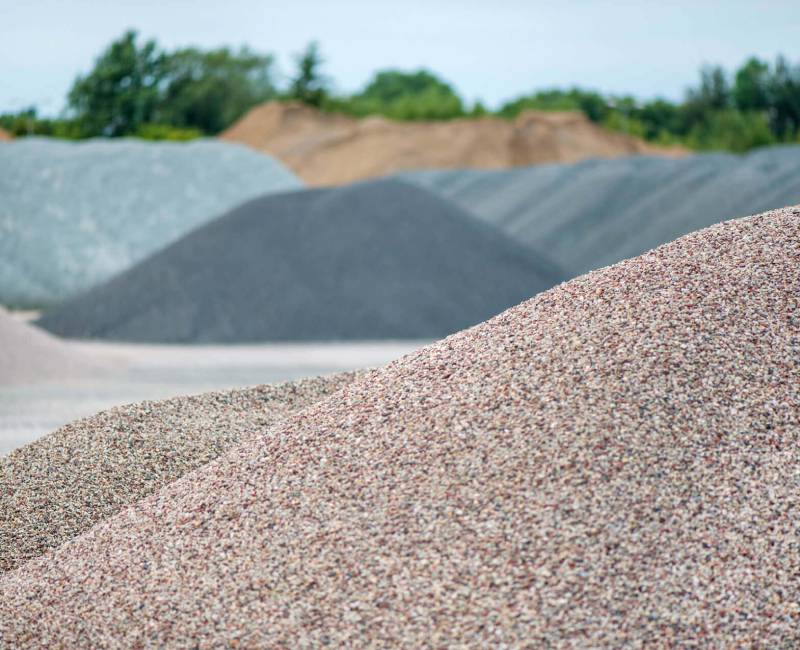
Bright LLC delivers high-quality gravel and stone across Charlotte, NC, and nearby cities. From small home projects to large commercial jobs, we provide dependable supply and on-time delivery.
We deliver a wide variety of gravel types throughout Charlotte and Mecklenburg County — including crusher run, #57 stone, and pea gravel for driveways, construction, and drainage.
Contractors and homeowners in Concord count on our quick, reliable gravel delivery for driveways, patios, and foundation prep. We offer bulk quantities and flexible scheduling.
Bright LLC delivers driveway gravel, fill gravel, and decorative stone throughout Gastonia and surrounding areas. Every load is clean, consistent, and ready for use.
We provide gravel delivery services across York County. Our team ensures fast drop-offs and even spreading for construction, driveways, and landscaping projects.
We combine quality materials, modern trucks, and efficient scheduling to make gravel delivery simple, fast, and affordable.
Clean, consistent material every time
We source only clean, screened gravel — no dirt, debris, or uneven mix. Every load meets spec for size and quality.
Fast delivery with precision placement
We deliver gravel where you need it — driveways, foundations, or landscape beds — using dump trucks for even, accurate spreading.
Bulk orders and flexible scheduling
From single-load residential deliveries to multi-truck commercial orders, we adjust to your project timeline.
Local sourcing and fair pricing
Our gravel is locally sourced to ensure durability, consistency, and reduced transport costs. You get transparent, competitive pricing with no hidden fees.
Bright LLC cleared brush and tree debris, hauled off material, shaped soil, and rough graded a residential lot in Concord so the property was open and ready for the next phase.
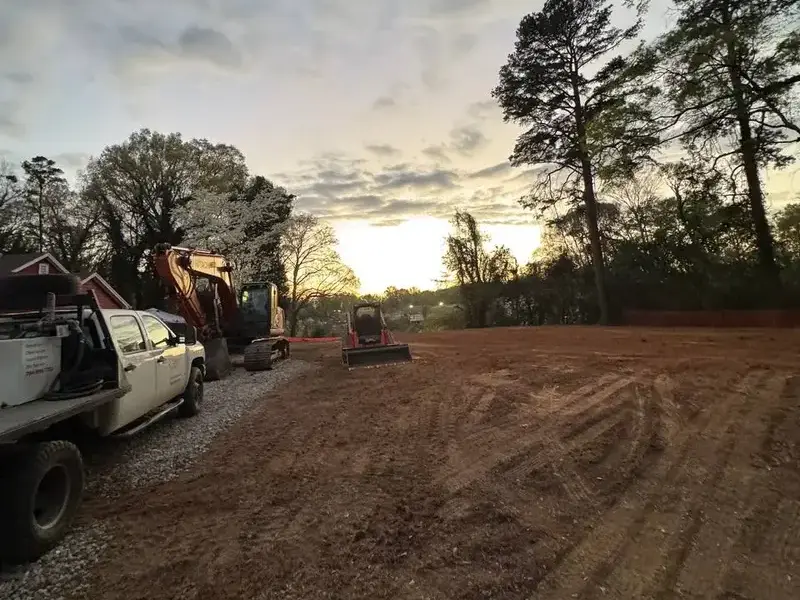
Bright LLC excavated and shaped a residential site in Charlotte, managed soil movement, maintained equipment access, and prepared the area for the next construction phase.
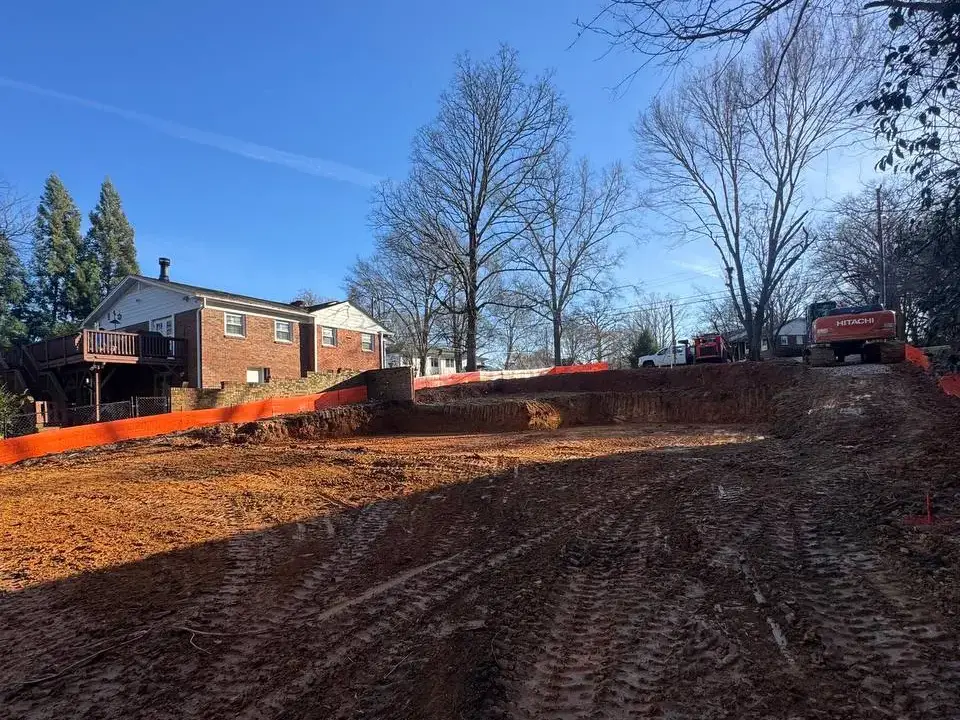
Bright LLC cleared brush and surface vegetation, shaped the soil, and rough graded a Charlotte residential lot so the property was open, accessible, and ready for the next phase.
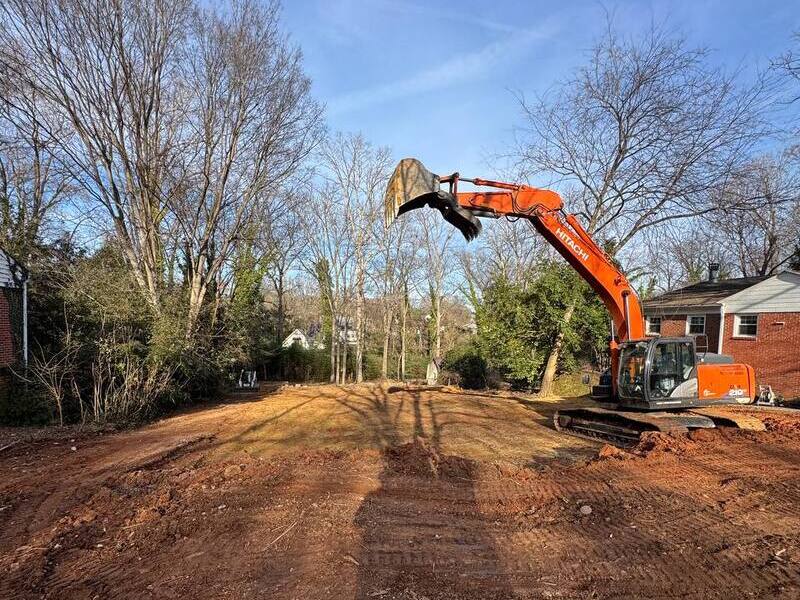
Bright LLC demolished a 2,000 sq ft brick home in Charlotte, removed debris, foundation and driveway concrete, then backfilled and graded the lot for the next construction phase.
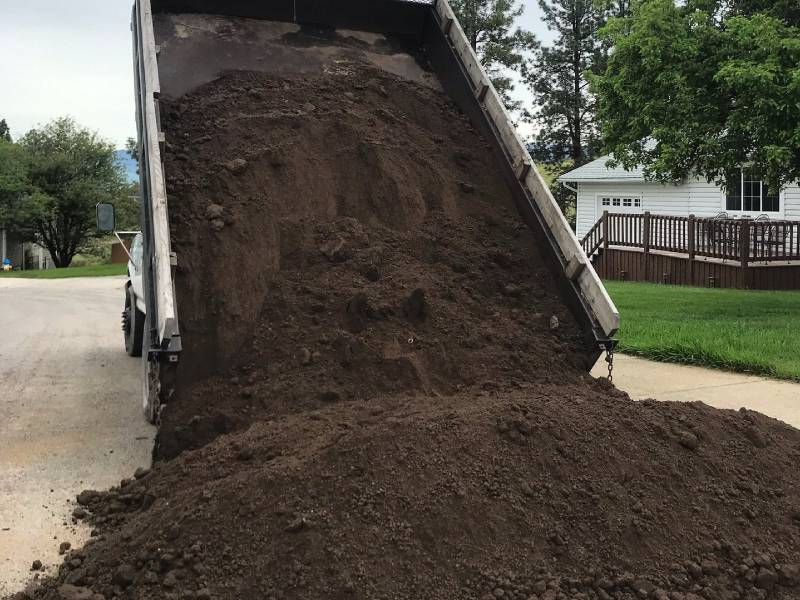
Looking for reliable top soil delivery and spreading in Concord, NC? Bright LLC provides premium soil, fast delivery, and expert grading for any residential or commercial project.
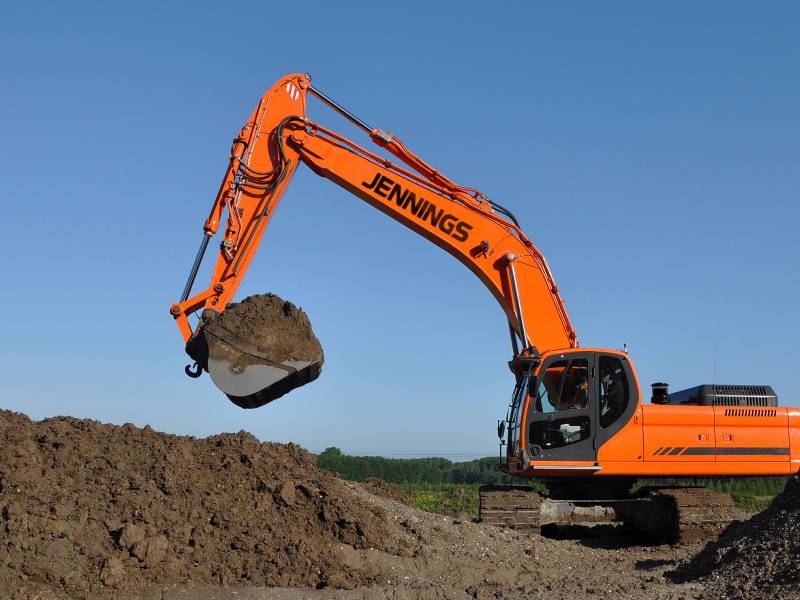
Need professional excavation in Gastonia or nearby areas? Bright LLC provides accurate, efficient site preparation for foundations, driveways, and drainage systems.