
Demolition vs deconstruction: which is better for your budget and goals?

Sometimes the first step to progress is clearing what stands in the way. Whether it’s an aging house or a commercial building past its prime, deciding between demolition vs deconstruction is rarely simple. The path you choose will influence the cost of demolition, the fate of materials, and how quickly you can move forward with your plans. Before you start, it’s worth understanding how these two approaches differ, because the right decision sets the stage for everything that comes next.
What is demolition, and what does it look like
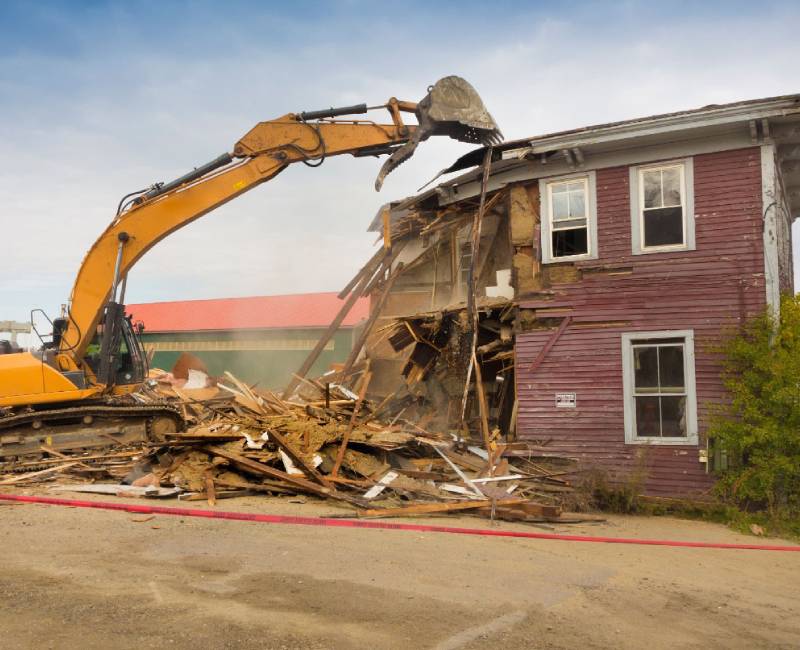
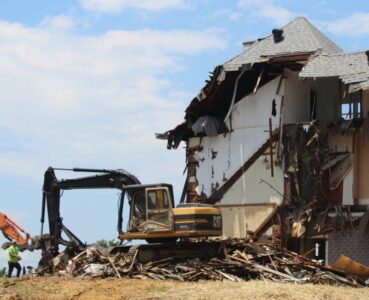
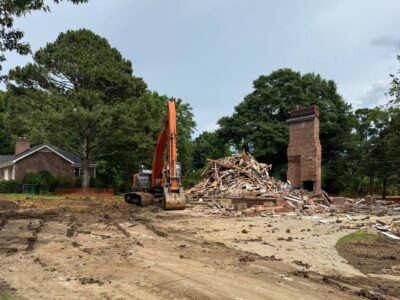
Before any new construction can begin, crews carefully prepare the site for demolition. The process starts with disconnecting utilities, securing the perimeter with fencing, and managing dust using water sprays. Heavy equipment — such as excavators with hydraulic shears, high-reach arms, and breakers — methodically dismantles the structure from the roofline to the foundation, guiding debris inward to maintain control and safety on the worksite.
As each section comes down, operators sort steel, concrete, and wood on site. This real-time material separation is at the heart of today’s sustainable demolition practices, feeding recycling streams and minimizing landfill volume — core objectives of modern sustainable demolition. For buildings that are exceptionally tall or reinforced, engineers may include carefully calculated charges to safely and efficiently collapse targeted sections, always under the supervision of experts.
Once the last truckload of debris has left, the ground is graded and left ready for the next phase. Each step is planned for safety, efficiency, and environmental responsibility. For a detailed, day-by-day look at the crew’s work and safety measures, see what to expect during a residential demolition project.
What to consider when choosing demolition
Once you understand the process, focus on the factors that truly shape your outcome. The cost of demolition is a significant concern, but so are factors such as building size, site access, permitting challenges, and the presence of hazardous materials. All of these influence your budget, timeline, and project risks.
Benefits of demolition
Mechanical demolition offers distinct advantages:
- Speed and predictability. Most projects are completed within days, minimizing carrying costs and delays.
- Straightforward budgeting. The cost of demolition is typically transparent, making financial planning simpler.
- Professional results. Crews handle debris, dust, and safety from start to finish.
- Versatility. This approach adapts to homes, commercial buildings, or complex lots.
Disadvantages of demolition
While demolition brings speed and certainty, it’s important to be aware of its limitations before you move forward:
- Material loss. Salvageable features—brick, hardwoods—are generally destroyed.
- Permit and paperwork. Older or urban properties may require extra reviews and longer approvals.
- Inflexibility. Once demolition begins, it’s difficult to change the scope or save last-minute features.
If your priorities are speed, predictability, and a clean slate, demolition is often the right choice. For site-specific planning or a detailed cost estimate, our house demolition services team is ready to help you move forward.
How is deconstruction different from demolition?
In the debate of deconstruction vs demolition, the core difference is intent: demolition removes a building as quickly as possible, while deconstruction dismantles it piece by piece to harvest materials for reuse. Crews work in reverse order of construction — carefully removing windows, doors, flooring, lumber and fixtures — to reduce waste and turn the project into one of the region’s true sustainable demolition projects. Labor time is longer, but the payoff can be tax deductions, preserved character elements, and a significantly lighter load on local landfills.
Pros of deconstruction
A selective approach brings benefits that straight mechanical removal can’t match:
- Material salvage and resale. Recovered brick, heart‑pine joists, or vintage doors can be donated or sold, lowering the net cost to rebuild a house once construction starts.
- Tax advantages. Documented donations of reusable goods often translate into deductions large enough to offset part of the teardown budget.
- Lower landfill impact. With careful sorting, far less debris ends up in waste streams, aligning with strict sustainability goals.
- Historic preservation. Period millwork, masonry, or hardware is saved intact, something impossible once machines start crushing walls.
- Selective area salvage. When only part of a property is damaged—after a fire or flood, for example — deconstruction makes it possible to remove and recover materials from the affected area while preserving the rest of the structure. This targeted approach often reduces the overall cost of demolition and rebuilding a house, since not everything must be torn down and replaced.
- Community goodwill. Local reuse centers and architectural salvage yards benefit directly, keeping valuable resources in circulation rather than buried.
Cons of house deconstruction
However, deconstruction has important limitations to consider:
- Longer timelines. Hand removal of materials adds weeks, so compared to even a small-scale house demolition, the schedule can stretch unexpectedly.
- Higher labor costs. Because skilled crews and special equipment are needed, the result is often a bigger investment than most demolition of house cost projections for the same structure.
- Variable salvage value. If materials can’t be reclaimed due to water, mold or age, owners may see little offset in the final cost to rebuild a house.
- Permit complexity. Some of the most rigorous sustainable demolition projects require detailed tracking of salvaged goods and safe utility removal, adding time and steps to the process.
- On-site logistics. Sorting and protecting reusable elements takes extra space, which can make you rethink how much does it cost to demolish a small house on a tight lot where access and storage are limited.
Deconstruction is best when the value of reclaimed materials and sustainability goals outweigh the need for speed. If the highest priority is a quick, predictable project, demolition vs deconstruction usually favors the traditional route — but for those seeking to maximize reuse, deconstruction offers unique long-term returns.
How to decide which method aligns the most with your situation
The right approach depends on your priorities and project realities. Start by asking yourself: Is your main goal a quick turnaround, budget certainty, or maximizing material reuse?
- Demolition is the clear choice if speed and predictability matter most. When the average cost of demolition per square foot and a defined timeline are non‑negotiable — such as for financing or permit deadlines — mechanical removal lets you move to new construction without delay.
- Deconstruction is best when sustainability, tax benefits, or salvaging unique materials outweigh the need for speed. If offsetting part of the cost to tear down and rebuild a house, minimizing landfill impact, or preserving character features is important, deconstruction can deliver value far beyond what’s possible with standard demolition.
- Hybrid solutions offer flexibility for projects with mixed goals. Salvaging select fixtures or finishes before bringing in heavy equipment can keep the process efficient while honoring historic or environmental targets. To see how local owners have combined both strategies, explore our project portfolio.
In short, let your priorities lead: choose demolition for fast results, deconstruction for maximum reuse, or a blend when you need both speed and sustainability in your upgrade plan.
Choose Bright LLC for sustainable demolition practices
At Bright LLC, sustainable demolition practices are at the core of what we do in Charlotte and the surrounding North Carolina area. We combine speed with environmental responsibility, handling every stage — from permits and inspections to demolition and selective deconstruction — using proven local expertise. Whether your priority is fast site clearance, careful material recovery or both, we keep reusable materials in the community and help our clients achieve their environmental and project goals without compromise.
Conclusion
The right results always start with clear priorities — speed, sustainability or a smart balance. We’re ready to guide you from planning to completion anywhere in Charlotte or nearby. Contact our team to start your demolition or deconstruction project with confidence.
Clear the way — call a professional
Need help with demolition, excavation, or land clearing? Don’t wait — our crew is ready 24/7 to take on your project safely and efficiently.
Related Services
House demolition

Excavation
Debris removal
Get in touch today