
Do I need a permit for house demolition in Charlotte, NC?

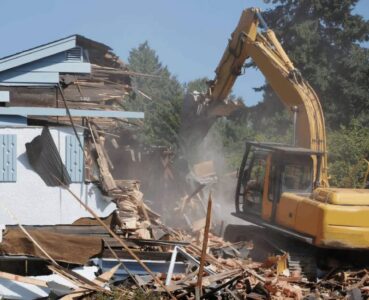
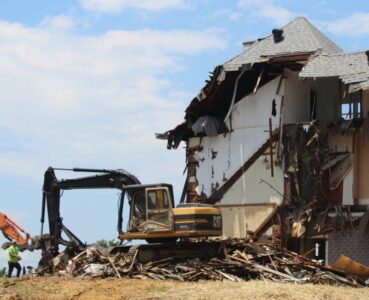
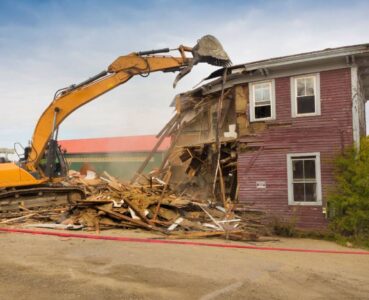
Planning to tear down your house in Charlotte? You’re probably wondering about permits. Whether you’re demolishing an entire home or just making major structural changes, Charlotte requires proper permits to ensure safety and compliance with local building codes.
Let’s walk through everything you need to know about demolition permits in the Queen City. From our article you will get everything about permits in Charlotte before house demolition. And we are starting with the answer to your key question.
Yes, demolition permits are necessary for Charlotte homeowners and here is why
The city really-really requires permits to ensure safety, compliance with zoning laws, and proper environmental practices. Skipping this step can lead to steep fines, delays, or even legal action.
Demolition permits aren’t just bureaucratic red tape – they serve important purposes. These permits help protect your neighborhood by ensuring demolitions are done safely and responsibly. They also make sure utilities are properly disconnected, debris is handled correctly, and environmental concerns like asbestos are addressed before work begins.
The City of Charlotte takes these requirements seriously, and attempting demolition without proper permits can result in hefty fines and project delays that cost you much more than the permit fees.
In Charlotte, NC, the Charlotte-Mecklenburg Building Permits Department handles all demolition permits. To get approval, you submit an application, review the plans with officials, schedule inspections, and pay the required fees. When you contact the department, they give you the latest details on project requirements, forms, and costs. They’re your main point of contact throughout the entire permit process. Their contact information is provided below.
Types of demolition projects that require permits
Full house demolition
Complete teardowns always require permits. This includes single-family homes, duplexes, and other residential structures. The city needs to verify proper utility disconnections, debris disposal plans, and environmental safety measures.
Partial demolition or structural changes
Removing load-bearing walls, tearing down additions, or making significant structural modifications all require permits. Even if you’re not demolishing the entire house, major changes to the building’s structure need city approval.
Interior demolition and renovations
Major interior work often requires permits too. This includes removing walls (especially load-bearing ones), gutting kitchens or bathrooms, or making changes that affect the home’s structural integrity or electrical/plumbing systems.
Other projects
- Accessory structures – even if you’re only tearing down a garage, shed, deck, or porch, a permit is often required. If the structure is attached to your home or affects property setbacks, the city wants to ensure the demolition won’t create safety or zoning issues.
- Historic or landmarked properties – homes located in historic districts or with landmark status have stricter rules. Any demolition, even partial, usually needs special approvals to preserve the character of the neighborhood and comply with preservation laws.
- Multi-family or residential conversions – converting a duplex, triplex, or other multi-family structure often triggers demolition permitting. Structural changes, such as removing walls or modifying foundations, require city oversight to maintain building safety.
- Hazardous material removal – demolition that involves asbestos, lead paint, or mold requires permits to ensure proper handling and disposal. The city needs to verify that contractors follow safety and environmental regulations to protect workers and neighbors.
- Grading or site preparation – sometimes, demolition is combined with excavation, grading, or other site prep. In these cases, additional approvals may be necessary to manage drainage, erosion, and soil stability, preventing long-term issues on your property.
When you do not need permit for demolition
In Charlotte-Mecklenburg, you typically don’t need a demolition permit in only a few limited situations. These usually include:
- Minor structures: removing fences, or other outbuildings under a certain square footage (often less than 120–200 sq. ft., but check local limits).
- Non-structural work: demolition of interior partitions or cosmetic removals that don’t affect the building’s structural integrity.
- Emergency demolitions: if a structure poses an immediate safety hazard, authorities may allow emergency removal without the standard permit, though documentation is usually required afterward.
- Temporary or mobile structures: certain temporary installations or mobile units may be exempt, depending on zoning rules.
Even if a project seems “small,” it’s smart to confirm with the Charlotte-Mecklenburg Building Permits Department before starting. Skipping a permit can lead to fines or issues when selling or renovating the property later.
Permits for demolition commercial and residential buildings
You need a permit for any demolition project, whether residential or commercial. Residential permits cover single-family homes, duplexes, and small buildings, ensuring the work is safe, utilities are properly disconnected, and local building codes are followed. Homeowners usually submit a demolition application, utility disconnect letters, site plans, and asbestos reports for older structures, with inspections scheduled throughout the process.
Commercial demolition involves larger-scale projects like office buildings, warehouses, or multi-story complexes, requiring detailed planning, heavier equipment, and strict compliance with zoning, environmental, and safety regulations. These permits often need multiple approvals, environmental assessments, and comprehensive debris management plans, with inspections from several agencies to ensure all codes are met.
In all cases, checking with the Charlotte-Mecklenburg Building Permits Department is essential to avoid fines or legal issues.
Where to get your permit for house demolition in Charlotte, NC (and contacts)
This information is actual for 2025.
You can apply for demolition permits through Mecklenburg County’s LUESA Business Office. Here’s how to reach them:
- Address: 2145 Suttle Ave., Charlotte, NC 28208
- Phone: 980-314-CODE (2633)
- Email: Code@MeckNC.gov
- Hours: Monday through Friday, 8:00 AM to 5:00 PM
Most applications can be started online through the county’s permitting portal, but larger or more complex demolition projects often require in-person coordination to make sure all documentation and compliance requirements are met.
You can find information and apply for permits for total demolition of commercial structures, and likely residential ones as well, by contacting the Customer Information & Resource Center (CIRC) at (980) 314-CODE.
Also, you can contact Charlotte Building Development division that oversees building codes, safety standards, and ensures all construction and demolition work meets city requirements. Their phone is (704) 336-3992.
Steps to get a demolition permit in Charlotte
Prepare your application
Start by contacting the Charlotte-Mecklenburg Building Permits Department, the office that oversees all demolition projects in the county. Their staff will guide you on the forms, fees, and requirements specific to your site.
For a demolition permit in Charlotte-Mecklenburg, the Building Permits Department usually asks for a full set of documents that prove your project is safe, code-compliant, and ready to move forward. You’ll want to prepare:
- Property survey or site plan showing the lot boundaries and existing structures scheduled for demolition;
- Detailed demolition plan prepared by your contractor or engineer, including methods and safety measures;
- Utility disconnection letters from providers (gas, electric, water, sewer) confirming shutoff before work begins;
- Asbestos inspection report if the structure was built before 1980, or if materials raise concerns;
- Waste management or debris disposal plan, often with proof of landfill or recycling arrangements;
- Contractor’s license and insurance certificates if you’re hiring a professional demolition company;
- Completed demolition permit application form from the Charlotte-Mecklenburg Building Development Division.
Submit your application
Fill out the demolition permit application and provide the necessary documentation. Once you submit, the department reviews your plans to confirm they meet local codes, safety rules, and environmental regulations. You’ll also need to pay the required permit and review fees at this stage.
Inspections and approvals
After approval, the city schedules inspections throughout the demolition process. Inspectors check that work is completed safely, in line with your approved plans, and in compliance with building codes. Final sign-off comes only after all inspections are passed.
Additional requirements and considerations
Beyond the basic permit, several other factors need attention. Projects often face delays when utilities are not disconnected, debris is not handled according to city rules, or hazards like asbestos or lead paint are missed. Taking care of these details early helps you follow Charlotte regulations and avoid fines, interruptions, and safety problems:
- Utility disconnections. All utilities must be properly disconnected before demolition begins. This includes water, gas, electricity, cable, and internet services. Most utility companies require advance notice, so plan accordingly. The city may require proof of disconnection before issuing final permits. You may read our guide about safe utility disconnection before house demolition.
- Waste removal and debris disposal rules. Charlotte has specific rules about demolition debris disposal. You can’t just pile everything on the curb – you’ll need proper dumpsters or arrangements with approved disposal facilities. Factor these costs into your project budget.
- Environmental and asbestos checks. Homes built before 1980 often contain asbestos, which requires special handling during demolition. You may need environmental testing before permits are issued. Lead paint is another concern in older homes that affects demolition procedures.
Costs and timelines for permits
Permit fees in Charlotte vary based on project scope and property value. The cost of obtaining a demolition permit depends on the size of the structure. For buildings under 500 square feet, the fee is $122 with no additional charges. Structures between 500 and 4,999 square feet cost $486 plus an extra $365. For those ranging from 5,000 to 9,999 square feet, the base fee is $729, again with an additional $365. Any building of 10,000 square feet or more requires a $911 base fee, also accompanied by the $365 surcharge.
|
Size — square footage |
Per structure |
Additional fee |
|
Less than 500 sf |
$122.00 |
$0.00 |
|
500 – 4,999 sf |
$486.00 |
$365.00 |
|
5,000 – 9,999 sf |
$729.00 |
$365.00 |
|
10,000 sf and above |
$911.00 |
$365.00 |
On top of these rates, there are flat fees applied in specific cases: a re-inspection costs $430 per visit, while a re-review of documents is billed at $110 per hour.
|
Item |
Fee |
|
Re-inspection fee |
$430.00 per inspection |
|
Re-review fee |
$110.00/hour |
Standard demolition permits usually take 2-4 weeks for approval, assuming your application is complete and meets all requirements. Complex projects or those requiring environmental assessments may take longer.
Do you know who can demolish their house faster and save more money? A person, who read our guide “What to expect during a residential demolition project”.
Why working with a licensed demolition contractor helps
- Reason 1. Experienced demolition contractors know Charlotte’s permit requirements inside and out. They can help prepare applications, ensure all documentation is complete, and navigate any complications that arise during the approval process.
- Reason 2. Professional contractors understand local codes and requirements, reducing the risk of permit rejections or compliance issues. This expertise can save you significant time and money compared to handling permits yourself.
- Reason 3. Licensed demolition professionals also carry insurance, which protects both the homeowner and the property against accidents, damage, or injuries during the project. Their experience allows them to anticipate challenges, such as unstable structures, hidden utility lines, or weather-related delays, and develop solutions proactively.
- Reason 4. Additionally, contractors often have established relationships with local inspectors, waste management facilities, and suppliers, making the process smoother from start to finish. Their expertise ensures that every step—from site preparation to final cleanup—meets city standards, minimizes risk, and avoids costly delays.
Demolition services in Charlotte, NC with Bright LLC
When you’re ready to move forward with your demolition project, choosing the right contractor makes all the difference. Bright LLC specializes in safe, compliant, and efficient demolition services throughout the Charlotte area.
We handle everything from permit applications to final cleanup. Our experienced team understands Charlotte’s requirements and ensures your project meets all safety and compliance standards. We coordinate utility disconnections, manage debris disposal, and handle all necessary inspections.
Contact Bright LLC for permit assistance and demolition. We are the best house demolition company in North Carolina.
Make space safely — hire the experts today
Get your project started today — call Bright LLC now and let our expert team handle demolition, excavation, or land clearing with precision and safety.
Related Services
House demolition

Excavation
Land clearing
Get in touch today