
The environmental impact of professional land clearing vs DIY
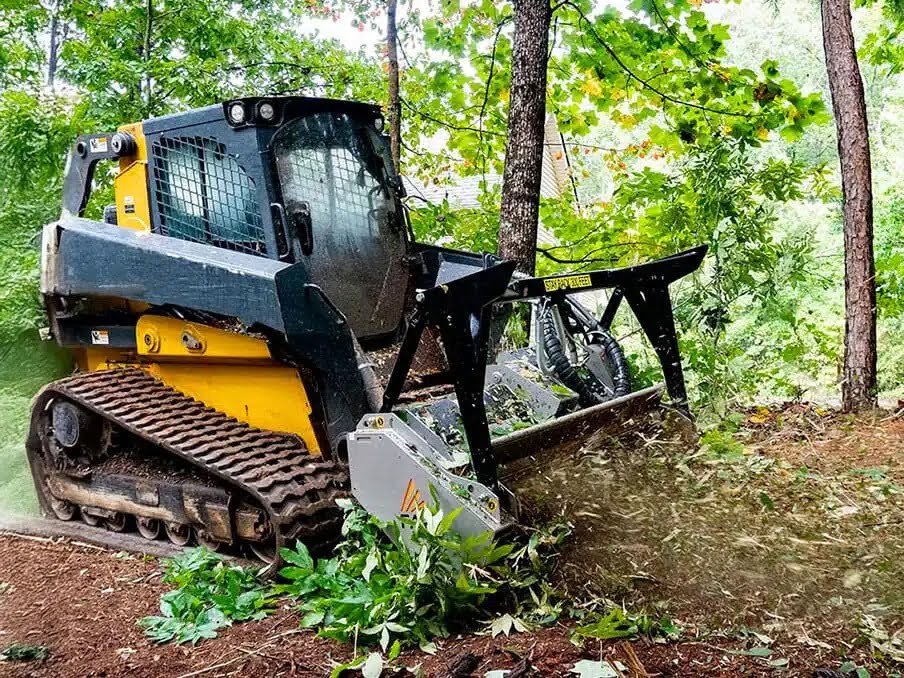
So you’re standing in your backyard, looking at that overgrown lot you finally want to tackle. Maybe you’re thinking about grabbing a chainsaw and making a weekend of it, or perhaps you’re considering calling in the professionals. Either way, you’re probably wondering: what’s better for the environment? It’s a question more homeowners are asking these days, and honestly, the answer might surprise you.
Understanding what’s really at stake
When we talk about land clearing, we’re not just discussing removing a few trees or pulling up some bushes. We’re talking about disrupting an entire ecosystem that’s been developing for years, maybe even decades. The soil beneath your feet is alive with microorganisms, the tree roots are preventing erosion, and those “weeds” you want gone might actually be native plants supporting local wildlife.
The environmental impact of land clearing goes far beyond what meets the eye. It affects soil quality, water drainage, air quality, wildlife habitats, and even your property’s long-term sustainability. That’s why the approach you choose matters so much.
The DIY approach: when good intentions meet reality
Let’s be honest – there’s something appealing about rolling up your sleeves and doing it yourself. You save money, get some exercise, and feel accomplished. But here’s where things get tricky from an environmental standpoint.
Common environmental issues with DIY land clearing include:
- Soil compaction and erosion: without proper equipment or knowledge, heavy machinery rentals or repeated foot traffic can compact soil, making it harder for water to penetrate and new plants to establish themselves
- Indiscriminate removal: it’s easy to clear everything without recognizing which plants are native species worth preserving or which trees provide critical erosion control
- Improper disposal: burning brush might seem convenient, but it releases significant carbon emissions and particulate matter. Hauling everything to the dump creates unnecessary transportation emissions
- Drainage disruption: removing vegetation without understanding your property’s water flow can lead to erosion, flooding, or water pooling in unwanted areas
- Invasive species spread: without proper identification, DIY clearers might accidentally leave invasive species while removing beneficial native plants
The professional difference: more than just bigger equipment
Professional land clearing services, particularly those committed to environmental stewardship like Bright LLC, approach projects with a completely different toolkit – and we’re not just talking about machinery.
What professional clearing brings to the table:
- Site assessment and planning: professionals evaluate soil types, existing vegetation, slope, and drainage patterns before touching a single branch
- Selective clearing: rather than a scorched-earth approach, experienced crews identify trees and plants worth preserving
- Erosion control measures: professionals implement silt fences, retention strategies, and replanting plans to protect soil integrity
- Proper waste management: from mulching on-site to responsible recycling of wood materials, professional services minimize waste and emissions
The Bright LLC approach emphasizes working with the land’s natural contours rather than against them. This means preserving mature trees that prevent erosion, maintaining buffer zones near water features, and using techniques that support rather than degrade soil health.
Comparing the real environmental costs
Let’s break down how these approaches stack up against each other:
| Environmental factor | DIY clearing | Professional clearing |
| Soil preservation | Often compromised due to improper equipment use and lack of erosion controls | Protected through strategic planning, proper equipment, and immediate stabilization measures |
| Carbon footprint | Multiple trips for equipment rental, disposal; potential burning of debris | Efficient single-mobilization approach; on-site mulching; optimized waste management |
| Habitat disruption | Complete clearing common; minimal consideration for wildlife corridors | Selective clearing with habitat preservation; timing considerations for nesting seasons |
| Water quality impact | Higher risk of sediment runoff and drainage issues | Engineered drainage solutions; silt fencing; buffer zone maintenance |
| Native species preservation | Rarely identified or protected | Species identification and strategic preservation planning |
| Long-term sustainability | May require corrective work later, compounding environmental impact | Designed for lasting results with minimal future intervention |
The hidden environmental benefits of going professional
Here’s something most people don’t think about: professional land clearing can actually improve environmental outcomes compared to leaving overgrown, unhealthy land untouched. Dense overgrowth isn’t always ideal – it can harbor invasive species, create fire hazards, and prevent healthy native species from thriving.
Professional land clearing services like those from Bright LLC focus on creating healthier ecosystems through strategic clearing. This might include removing invasive species that choke out native plants, thinning overcrowded areas to allow healthier tree growth, or creating firebreaks that protect both property and natural habitats.
Regional considerations matter
Environmental best practices also depend heavily on your local ecosystem. What works in one region might not be appropriate in another. That’s why working with local professionals who understand your area makes such a difference. They know the native species, understand seasonal considerations, and are familiar with local soil types and weather patterns.
Whether you’re dealing with coastal vegetation, mountain terrain, or flatland properties, regional expertise ensures that clearing work respects and preserves the unique characteristics of your local environment. For specialized services tailored to your area’s specific needs, exploring residential land clearing options or commercial land clearing services can provide insights into what’s most appropriate for your property type.
Making the Environmentally Conscious Choice
So what’s the verdict? While DIY land clearing might work for small, simple projects like removing a few bushes or clearing a flower bed, any substantial land clearing project benefits tremendously from professional expertise – especially from an environmental perspective.
The Bright LLC philosophy recognizes that every property is unique, and environmental responsibility isn’t one-size-fits-all. It’s about understanding your specific ecosystem, preserving what deserves protection, and clearing what needs removal in the most sustainable way possible.
Before making your decision, consider these questions:
- How large is the clearing area, and what’s the terrain like?
- Are there slopes, water features, or drainage concerns on your property?
- Can you identify native versus invasive species in the area?
- Do you have access to appropriate equipment that won’t compact or damage soil?
- What’s your plan for the massive amount of debris you’ll generate?
- Are you aware of local regulations about land clearing, burning, and disposal?
Your neighbor’s property, your community’s watershed, and the local wildlife all have a stake in how you approach your land clearing project. Sometimes the most environmentally friendly choice is recognizing when professional expertise makes all the difference.
Additional services that support environmental goals
Beyond basic clearing, professional services often offer complementary options that further protect your property’s environmental health. Brush clearing can remove fire hazards while preserving healthy trees, forestry mulching returns nutrients to the soil naturally, and lot clearing services can prepare land for development while minimizing ecological disruption.
For properties with specific challenges, tree removal services ensure that hazardous or diseased trees are removed safely without damaging surrounding vegetation, while stump grinding eliminates tripping hazards and prevents regrowth without the use of harsh chemicals.
Ready to make an environmentally responsible decision?
If you’re considering a land clearing project and want to ensure it’s done with environmental stewardship in mind, the best first step is reaching out to professionals who can assess your specific situation. Contact Bright LLC to discuss your project, ask questions about sustainable clearing practices, and get expert advice tailored to your property’s unique needs.
For more information about environmentally conscious land management practices and to learn more about how Bright LLC approaches each project, visit the website or reach out directly. Your land deserves care that considers not just today’s needs, but tomorrow’s environmental legacy.