
How debris removal improves safety and efficiency on construction and demolition sites
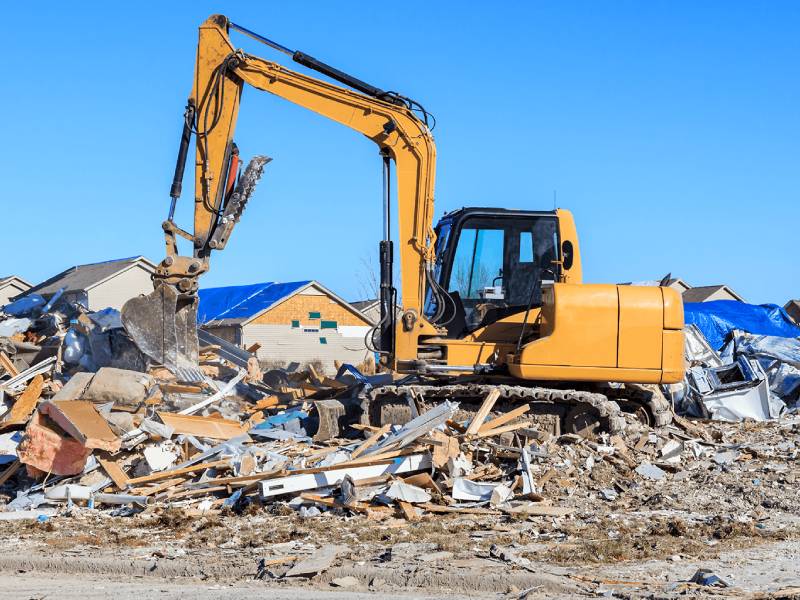

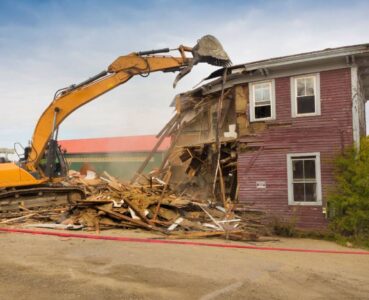
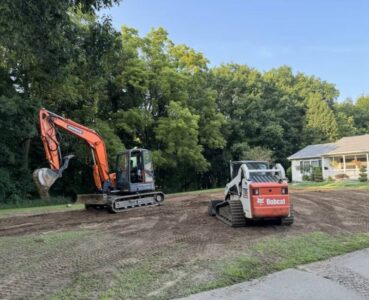
In 2021, the Occupational Safety and Health Administration (OSHA) found that unmanaged debris led to more than 5,000 construction site injuries. This shows why managing debris is so important. Debris is more than just trash. It can create hazards, slow down work, and increase costs. Proper debris removal keeps workers safe, helps projects run smoothly, and saves money. This article covers how debris removal improves safety and efficiency, and how to do it well.
What is debris removal?
Debris removal is the process of collecting, moving, and disposing of waste from construction or demolition sites. This waste might include wood, concrete, drywall, metal, plastic, or hazardous materials like asbestos or lead.
For example, a 2,000-square-foot remodel usually creates about 3 to 4 tons of debris. Knowing how much waste to expect helps project managers plan the right waste management strategies for each project.
Proper debris removal matters for both homes and businesses. If debris piles up, sites become cluttered, accidents are more likely, and work slows down. Efficient debris removal also helps prevent downtime and fines from local authorities.
Why debris creates safety hazards
Debris often causes accidents on construction and demolition sites. Some common hazards are:
- Trips and falls: loose boards, nails, and rubble can lead to injuries (OSHA 1926.20).
- Sharp objects: metal scraps or broken glass can cut workers (OSHA 1926.23).
- Heavy or unstable debris: piles of material can shift and cause crush injuries or even structural collapse (OSHA 1926.25).
- Hazardous materials: chemicals, asbestos, and lead need special handling to prevent health risks (OSHA 1926.32).
Even a little debris can be dangerous, especially in small spaces. Keeping the site clean helps workers move safely and makes it easier for supervisors to keep everyone safe.
How debris removal improves workflow efficiency
A clean, organized site helps workers finish tasks faster. When debris is cleared regularly, machines can work without obstacles, workers spend less time searching for materials or clearing paths, and inspections are easier. For example, one site that removed debris daily saw a 20% increase in equipment use and a 15% drop in labor hours for cleanup. These changes show real improvements in workflow and give project managers a quick return on investment.
During a mid-size commercial renovation in Durham, NC, we tracked daily debris removal, time sheets, and incident reports. This gave us a clear picture of the process and results. Removing debris every day instead of once a week cut project delays by 25% and reduced overtime costs by 15%.
Using this method shows that proper debris removal improves safety and speeds up the entire workflow. It also gives project managers a proven way to boost efficiency.
Regulatory compliance and debris management
Local building codes, OSHA rules, and environmental laws often require proper debris management.
- Residential projects: must follow basic local rules for waste disposal and recycling.
- Commercial projects: stricter rules often apply, especially for hazardous waste and large volumes.
If debris isn’t managed properly, it can lead to fines, work stoppages, or even legal problems if someone is injured on site.
Hiring licensed waste haulers and recycling contractors helps you follow the rules and lowers your risk. In North and South Carolina, there may be unique permitting and disposal requirements that must be observed, highlighting the importance of understanding local regulations to ensure full compliance.
Equipment and techniques for debris removal
The tools and equipment used for debris removal depend on the size of the project.
- Residential sites typically use smaller, simpler equipment for debris removal, such as wheelbarrows, small dumpsters, skid steers, and hand tools for minor cleanup.
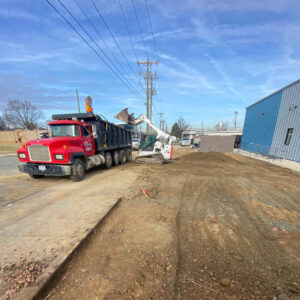
- Commercial sites, on the other hand, often need larger and more specialized equipment, including roll-off dumpsters, dump trucks, excavators or loaders, conveyor systems for moving debris, and on-site sorting for recyclable materials.
Cost and time benefits
Proper debris removal may seem like an extra expense, but it actually saves money in the long run.
- Fewer accidents mean lower insurance claims and medical costs
- A faster workflow means fewer labor hours and less overtime
- Following regulations helps you avoid fines and project delays
|
Debris removal strategy |
Cost impact |
Time impact |
|
Daily cleanup |
Lowers accident-related costs |
Keeps work moving efficiently |
|
Sorting recyclables |
Can offset disposal costs |
Reduces rework and clutter |
|
Hiring licensed haulers |
Avoids fines and liability |
Streamlines waste transport |
Even a small investment in debris removal can pay off by preventing accidents, speeding up your project, and reducing environmental impact.
Tips for effective debris removal
Here are a few practical tips to make debris removal easier:
- Plan debris removal in advance, and schedule regular pickup.
- Separate hazardous materials from general waste.
- Use clearly marked containers for different materials.
- Train workers on safe handling practices.
- Consider recycling to reduce landfill costs.
How to choose the best debris removal contractor in North and South Carolina
Debris removal, like demolition, needs a reliable contractor. Choose a debris removal company that has proper licenses and insurance, experience with both residential and commercial projects, safe methods for handling hazardous materials, and equipment suited to your project’s size.
A skilled contractor can make cleanup faster, help you stay compliant, and keep your project on track. For commercial projects, they can also work with environmental agencies and city officials to prevent delays.
Why understanding debris removal matters for your project
Debris removal is more than just keeping a site clean. It protects workers, improves efficiency, helps you follow regulations, and lowers costs. Knowing why it matters helps project managers, homeowners, and business owners plan better.
Whether you’re renovating a home or demolishing a large office, proper debris removal leads to safer work, faster progress, and fewer surprises.
Start your project with a clear debris management plan from the Bright LLC team, and you’ll save time, money, and stress later on.
Clear the way — call a professional
Need help with demolition, excavation, or land clearing? Don’t wait — our crew is ready 24/7 to take on your project safely and efficiently.
Related Pages
Related Services
Debris removal
Land clearing
Skid steer work service
Get in touch today