
Fill dirt vs topsoil vs clean fill: which do you need and when?
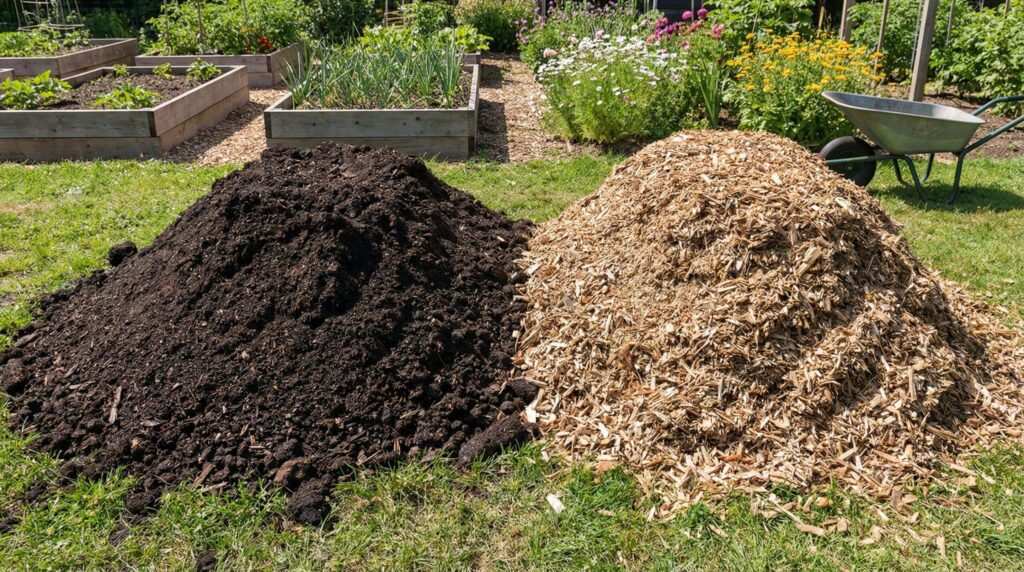
People treat fill dirt, topsoil, and clean fill as three options on the same menu. They are not. Two of them are materials, and one is a quality standard.
- Fill dirt builds the shape and elevation of your land.
- Topsoil grows the plants that sit on top of it.
- Clean fill describes dirt (or other inert material) that is free of contaminants and debris.
Get this framing right and almost every ordering question answers itself. Fill dirt builds the shape of your land. Topsoil grows what sits on top of it. Clean fill just tells you what is not in the dirt.
Key takeaways
- Fill dirt is for volume and structure. It is subsoil with little organic matter, so it compacts and holds its shape. Use it to raise, level, and backfill.
- Topsoil is for growing. It is the rich upper soil layer full of organic matter. Use it under lawns, gardens, and planting beds.
- Clean fill is not a separate material. It is a standard. It means inert, contaminant-free material that is safe to place, and it often is clean fill dirt.
- Never swap them. Topsoil used as structural fill will settle as it decomposes. Fill dirt used as a growing medium will not grow much of anything.
- Order by the cubic yard, and add 10 to 20 percent for compaction and settling.
What is fill dirt?
Fill dirt is the subsoil layer found beneath the topsoil. It is mostly clay, sand, silt, and rock, with very little organic material. That is exactly what makes it useful. Because it contains almost nothing that can decompose, fill dirt compacts tightly and stays put instead of settling over time.
Use fill dirt when you need to change the ground itself:
- Raising a low or sunken yard
- Leveling uneven ground
- Backfilling around a new foundation
- Filling a former pool or basement
- Building up a base for a driveway, shed, or patio
Fill dirt comes in a few grades. Common (unscreened) fill dirt is cheapest and may contain rocks and roots. Clean (screened) fill dirt is run through a mesh to remove debris, so it is easier to work with. Structural or engineered fill is a premium, highly compactable grade certified for load-bearing use under buildings and driveways.
What is topsoil?
Topsoil is the uppermost layer of natural soil, usually the top 2 to 12 inches. It is dark, crumbly, and alive with organic matter, microorganisms, and the nutrients that plants need. The North Carolina State Extension soil resources explain how that organic content and structure drive healthy plant growth.
Use topsoil anywhere you want things to grow:
- Starting a new lawn from seed or sod
- Filling raised garden beds
- Topdressing an existing lawn
- Building planting beds and borders
- Adding a final growing layer over fresh fill dirt
The same organic matter that makes topsoil great for plants makes it terrible for structure. It holds moisture, shifts, and slowly decomposes, so anything built on pure topsoil will settle and crack. That is why topsoil goes on top, never underneath.
The organic matter that makes topsoil perfect for a garden is exactly what makes it wrong for a foundation.
What is clean fill, really?
This is the term that causes the most confusion, so it deserves a clear answer. Clean fill is not a third kind of dirt. It is a description of quality. Clean fill is any inert material that is free of contaminants, solid waste, organic debris, and hazardous substances, which makes it safe and legal to place as fill.
In North Carolina, this has a real regulatory meaning. The NC Department of Environmental Quality defines inert debris that can serve as “beneficial fill” as a specific, limited list: unpainted concrete, brick, concrete block, uncontaminated soil, rock, gravel, and used asphalt. That fill cannot go into floodplains, wetlands, or surface waters, and it must improve the land’s use.
So “clean fill” can be clean fill dirt, or it can be crushed concrete and brick from a demolition. What matters is that it is inert and uncontaminated. This is where demolition and material delivery meet. When we tear down a structure, clean concrete and brick can sometimes be crushed and reused as clean fill instead of hauled to a landfill.
Because “clean fill” is defined differently across jurisdictions, always confirm what your city or county allows before you place it.
The three, side by side
| Feature | Fill dirt | Topsoil | Clean fill |
|---|---|---|---|
| What it is | Subsoil, minimal organics | Rich upper soil layer | A quality standard, often clean fill dirt |
| Main job | Volume, structure, elevation | Growing plants | Safe, inert placement |
| Organic matter | Very low | High | None (must be inert) |
| Compacts well | Yes | No | Yes, if soil-based |
| Grows plants | No | Yes | No |
| Typical cost per cubic yard | $5 to $30 | $25 to $55 | Varies by material |
Table 1. Fill dirt, topsoil, and clean fill at a glance.
Which do you need? Match the material to the project
| Your project | Use this | Why |
|---|---|---|
| Raise or level a low yard | Fill dirt | Compacts and holds elevation |
| Backfill around a foundation | Clean fill dirt | Stable and free of debris near the structure |
| Base under a driveway or slab | Structural fill | Certified to bear load without settling |
| Fill an old pool or basement | Fill dirt or clean fill | Large volume, must be inert and stable |
| Start a new lawn | Topsoil | Feeds seed and sod |
| Build a raised garden bed | Topsoil or garden soil blend | Nutrients and drainage for roots |
| Fix drainage low spots | Fill dirt, then topsoil on top | Reshape the grade, then grow over it |
| Reuse demolition concrete | Clean fill (inert debris) | Recycles material and cuts disposal cost |
Table 2. The right material for common Charlotte-area projects.
A common project uses two materials in layers: fill dirt to build the grade, then a few inches of topsoil on top so grass will grow. If you are regrading after a teardown or a big landscaping change, plan for both.
How much do you need? The volume math
Bulk material is sold by the cubic yard, but you measure your project in square feet and inches. Here is the one formula that connects them:
Square feet × depth in inches ÷ 324 = cubic yards needed.
For example, to raise a 500 square foot area by 4 inches: 500 × 4 ÷ 324 = about 6.2 cubic yards. Add 15 percent for compaction and you would order roughly 7 cubic yards.
The chart below shows how far a single cubic yard stretches as you change the spread depth.
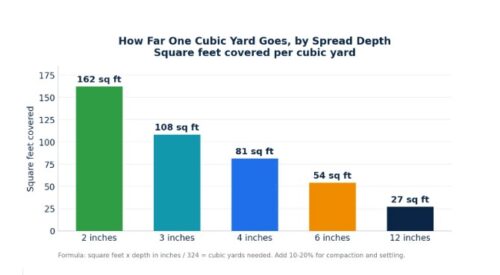
Graph 1. Coverage of one cubic yard at different depths. Deeper fills eat material fast.
Quantity cheat sheet
| Job | Area and depth | Approx. material |
|---|---|---|
| Level a low spot | 300 sq ft at 3 in | 2.8 cubic yards |
| New lawn topsoil | 1,000 sq ft at 3 in | 9.3 cubic yards |
| Raised garden bed | 100 sq ft at 8 in | 2.5 cubic yards |
| Backfill a foundation edge | 400 sq ft at 12 in | 14.8 cubic yards |
| Raise a small yard | 1,500 sq ft at 6 in | 27.8 cubic yards |
Table 3. Quick estimates. Add 10 to 20 percent for compaction and settling.
Order by the cubic yard, and always add 10 to 20 percent. Coming up short means paying a second delivery fee for a small load.
What it costs
Price tracks organic quality and screening. Rough, structural material is cheap. Rich, screened, plant-ready soil costs more.
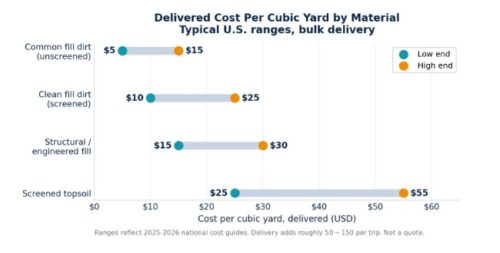
Graph 2. Typical delivered cost ranges. Source: 2025 to 2026 national cost guides. See HomeAdvisor for current figures.
A few pricing realities worth knowing, drawn from national cost data compiled by sources like HomeAdvisor:
- Delivery is often a flat trip fee, roughly $50 to $150 within about 10 to 20 miles. A tiny load can cost the same delivery fee as a full one, so order in bulk.
- You pay for water weight if you buy by the ton after heavy rain. Schedule delivery after a few dry days when you can.
- Ask the driver to tailgate-spread the load while moving. It saves hours of shoveling a giant pile.
Common ordering mistakes
- Confusing fill dirt and topsoil. The single most common and expensive error. One will not grow, the other will not hold.
- Buying topsoil for a structural job. It settles, and whatever you built on it settles with it.
- Forgetting the compaction allowance. Under-ordering means a second small delivery at full delivery cost.
- Assuming all fill is clean. Unscreened fill can hide rocks, roots, and debris. Specify clean or screened near foundations and drains.
- Skipping the grade plan. Dumping dirt without planning drainage can send water toward your house or your neighbor’s.
How this connects to your site work
Material choice is really a grading and drainage decision, and that is where it ties back to bigger projects. After a demolition or land clearing job, a lot usually needs fill dirt to rebuild the grade and topsoil to re-establish ground cover. Do it in the wrong order, or with the wrong material, and you invite settling and runoff.
Bright LLC handles the whole chain, so the materials match the plan: demolition, debris removal, grading, and delivery of fill dirt, topsoil, gravel, and more across the Charlotte metro. See finished work on our project gallery or read more guides on our blog.
Conclusion
Fill dirt, topsoil, and clean fill are easy to confuse and easy to get right once you know the rule. Fill dirt builds structure and elevation. Topsoil grows plants. Clean fill is a standard for inert, contaminant-free material, not a separate product. Match the material to the job, order by the cubic yard with a compaction buffer, and layer fill dirt below topsoil when you need both.
Choose by what the ground needs to do. Hold weight, or grow life. That one question picks your material.
Not sure how much you need or which grade fits your project? Contact Bright LLC for material delivery and site prep across Charlotte, Concord, Huntersville, Matthews, Gastonia, and the surrounding Carolinas, or learn more about our team.
Frequently asked questions (FAQ)
What is the difference between fill dirt and topsoil?
Fill dirt is subsoil with little organic matter, so it compacts and holds its shape for structural jobs like leveling and backfilling. Topsoil is the rich upper soil layer full of organic matter, used for growing lawns, gardens, and plants. They are not interchangeable.
Is clean fill the same as fill dirt?
Not exactly. Clean fill is a quality standard meaning inert, contaminant-free material. It is often clean fill dirt, but it can also include uncontaminated soil, rock, gravel, and unpainted concrete or brick. Fill dirt can be clean or unscreened, so “clean fill” describes the quality, not the specific material.
Can I use fill dirt instead of topsoil to grow grass?
No. Fill dirt lacks the organic matter and nutrients grass needs, so seed and sod struggle in it. Build your grade with fill dirt, then add a few inches of topsoil on top as the growing layer.
Can I use topsoil as fill?
You should not use it for structural fill. Topsoil holds moisture, shifts, and decomposes over time, so anything built on it will settle and crack. Topsoil belongs on top of a stable base, not underneath a structure.
How much fill dirt or topsoil do I need?
Use this formula: square feet times depth in inches, divided by 324, equals cubic yards. Then add 10 to 20 percent for compaction and settling. For example, a 1,000 square foot area at 3 inches deep needs about 9.3 cubic yards, so order around 11.
How much does fill dirt and topsoil cost?
As a rough guide, fill dirt runs about $5 to $30 per cubic yard delivered depending on grade, and screened topsoil runs about $25 to $55. Delivery is usually a flat trip fee of roughly $50 to $150. Confirm current local pricing before ordering.
Can demolition concrete be used as clean fill?
Often yes. In North Carolina, unpainted concrete, brick, and concrete block are inert debris that can serve as beneficial fill when placed correctly and not in floodplains or waterways. This can recycle material and reduce disposal costs, but confirm your local rules first.
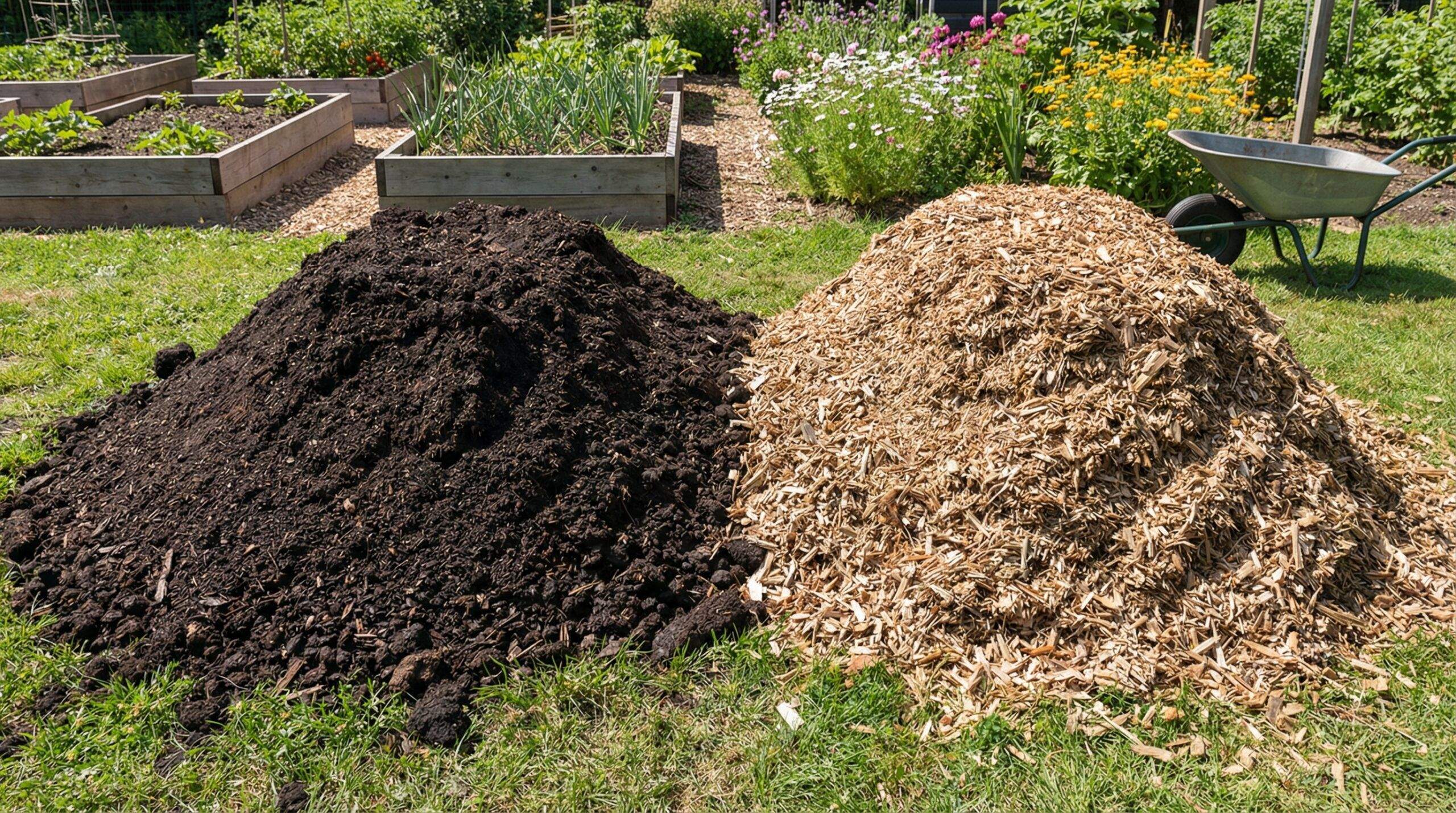
Need fill dirt, topsoil, or a graded, build-ready lot?
Bright LLC delivers the right material and preps the site.
Get in touch today