
How to choose the right type of gravel, sand, or soil for your project

Sprucing up your yard, building a driveway, or starting a garden? Choosing the right gravel, sand, or soil makes all the difference. In North Carolina, where the ground can be unpredictable, the wrong material may mean your project washes away after a rainstorm, your plants struggle, or your patio ends up uneven.
Fortunately, we’re here to guide you through the most common materials, so you’ll know exactly what each one is best for. In just a few minutes, this guide will equip you with the knowledge to select the right material, potentially saving you years of repairs and ensuring your projects are sturdy and sustainable. Let’s dig in!
Types of materials for building
When it comes to building projects, there’s a wide variety of construction materials to choose from, each with its own strengths and uses. From gravel and sand to different types of soil, understanding your options helps you make decisions that last. The construction materials market today also offers sustainable options, giving you more choices for durable, eco-friendly results and reliable material delivery directly to your project site.
Gravel
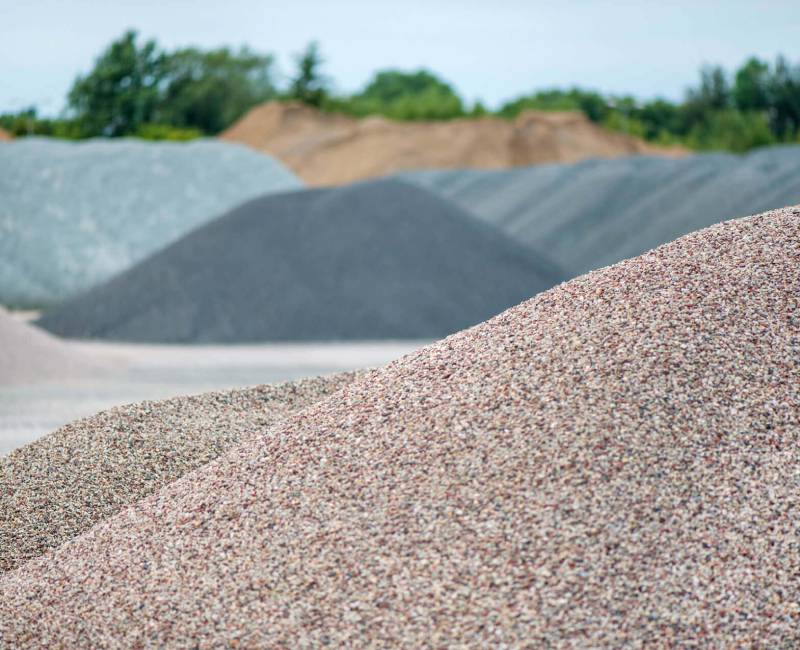
Gravel is a top choice for outdoor projects in the Carolinas. It works well for driveways, walkways, patios, and drainage. Gravel comes in many sizes and shapes, offering both strength and style.
- Larger, angular gravel like crushed stone makes an excellent choice for driveways and pathways because its jagged edges crunch firmly underfoot, locking into place and preventing shifting.
- Pea gravel is smooth and small, creating a satisfying, gentle crunch underfoot, which makes it great for decorative landscaping or play areas.
Make sure your gravel is delivered in good condition and ready to use.
| Purpose / Project type | Best material | Recommended type / notes |
| Driveways & high-traffic pathways | Gravel | Large, angular gravel (crushed stone) – locks in place, prevents shifting |
| Walkways & light-use paths | Gravel | Medium angular gravel for stability; pea gravel for decorative use |
| Decorative landscaping | Gravel | Pea gravel – smooth, small, aesthetic appeal |
| Play areas | Gravel / Sand | Pea gravel (safe, soft edges) or fine sand (soft surface) |
| Patios (base layer) | Sand / Gravel | Coarse sand for leveling; gravel underneath for drainage |
| Drainage solutions | Gravel / Sand | Large gravel (excellent water flow); coarse sand for added drainage |
Sand
Sand is a must-have for many construction and building materials needs. It’s essential for mixing concrete, leveling pavers, and providing a stable base for patios or playgrounds. Coarse sand offers great drainage, while fine sand is best for creating smooth, compacted surfaces. In our North and South Carolina climate, using the right kind of sand can help you avoid puddles or shifting foundations. If you’re wondering how to choose construction materials like sand, think about what you’ll be building and the level of drainage you need
| Purpose / Project type | Best material | Recommended type / notes |
| Concrete mixing | Sand | Clean, coarse sand – binds well with cement |
| Leveling pavers | Sand | Fine or medium sand – compacts smoothly under pavers |
| Playground base | Sand | Fine sand – soft, safe, easy to maintain |
Soil
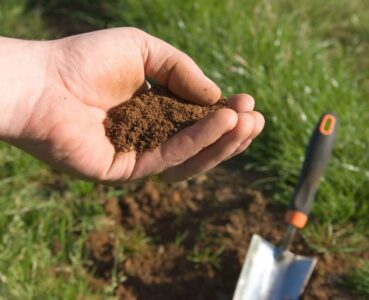
Soil is the base of every healthy garden, lawn, or landscape project. The right soil type, like topsoil for planting or fill dirt for leveling, makes a big difference for plant growth and stability. Rich, well-draining topsoil gives your plants the nutrients they need, while good fill dirt helps you shape your yard the way you want. With so many choices available, picking the right soil helps your project last through Carolina’s changing weather.
| Purpose / Project type | Best material | Recommended type / notes |
| Gardening / planting | Soil | Topsoil – nutrient-rich, well-draining |
| Lawn installation | Soil | Topsoil – supports healthy grass growth |
| Yard leveling or filling low spots | Soil | Fill dirt – stable, compacts well for shaping terrain |
Why is it essential to think about the material type ahead?
Taking the time to choose the right material for your project isn’t just about following the rules. It’s about making sure your hard work pays off and lasts for years to come. At Bright LLC, we’ve seen what can happen when the wrong gravel, sand, or soil is picked, and it’s never pretty! By thinking ahead, you’ll save money, frustration, and a whole lot of extra work down the road.
For instance, replacing a failed driveway can cost over $3,000, while reworking a garden with improper soil might require weeks of additional labor and resources. These are expenses and efforts that can be avoided with the right choices from the start.
On the other hand, you’ll get a lot of benefits by picking the right material:
- Longer-lasting results for your driveway, patio, or garden
- Fewer repairs and less maintenance
- Better drainage and stability (no more surprise mud puddles!)
- Healthier plants and happier lawns
- Peace of mind knowing your investment is protected
- Avoiding extra costs from fixing preventable mistakes
- A finished project that looks great and feels like home
A little planning today means a smoother project and a more beautiful result tomorrow!
Now that you know why good planning pays off, let’s explore what can happen if you don’t choose materials carefully.
What can go wrong with the wrong gravel, sand, or soil choice?
Imagine this: you’ve just laid down a brand-new driveway, envisioning a lifetime of smooth drives and envy from the neighbors. But after the first heavy storm, you find it transformed into a patchy mess of potholes and washouts. Or picture your once thriving garden, now struggling in the face of unpredictable rain, withering under your touch.
These nightmares are all too common when the wrong gravel, sand, or soil is chosen. Here in North Carolina, where the ground can be as unpredictable as the weather, selecting the right material can be the difference between distress and delight. You definitely want to avoid such a situation, so a little planning and estimating material type will save you from a disaster.
How to assess your site’s material needs
Before you start any project, it’s important to take a close look at your site and figure out exactly what you’ll need. Bright LLC contractor in North Carolina recommends that you think about three main factors: drainage, stability, and load requirements. These are key when it comes to choosing construction materials that will last and keep your Carolina home looking its best.
Understanding drainage, stability, and load requirements
Good drainage keeps your project from turning into a soggy mess—nobody wants puddles or muddy walkways. Stability is all about making sure your patio, driveway, or garden beds don’t shift, crack, or sink over time. And don’t forget to consider load requirements, especially for driveways or patios that need to support cars, furniture, or even your backyard barbecue setup. Construction materials testing can help make sure your choices are up to the challenge, and new construction materials can offer extra durability and eco-friendly options.
Matching material types to project goals
Once you know your site’s needs, it’s time to match them with the right material. For example, gravel provides excellent drainage and support for driveways, while sand is perfect for leveling pavers or mixing concrete. Soil comes in handy for gardens and landscaping. If you’re wondering how to choose construction materials for your project, think about what you want to achieve—strength, drainage, or a smooth finish—and choose accordingly.
Who supplies and tests construction materials
Material testing
Testing makes sure your construction and building materials are up to the task. Certified labs and experienced pros check for strength, drainage, and safety. This is important for big projects, public spaces, or when you want your investment to last through everything Carolina weather can throw at it.
At Bright LLC company in North Carolina, we use trusted local labs and work with experienced professionals for material testing. We check that your gravel, sand, or soil meets the proper standards for strength, drainage, and safety. This way, you get materials that hold up to Carolina’s weather and keep your project strong for years to come.
Material supply
Bright LLC sources construction materials from trusted local quarries and suppliers throughout NorthCarolina and South Carolina. We focus on working with partners close to your project—whether you’re in Charlotte, Raleigh, Asheville, Greenville, Charleston, or the smaller towns in between. This local approach means you get high-quality gravel, sand, and soil that’s suited to the Carolina climate and delivered quickly, right where you need it.
Material standards and local building requirements in North and South Carolina
Material standards and local building requirements in North and South Carolina are created by a mix of national, state, and regional organizations. The American Society for Testing and Materials (ASTM) establishes national standards for quality and testing, while the American Association of State Highway and Transportation Officials (AASHTO) sets guidelines for materials used in road and transportation projects.
Each state enforces its own building codes that specify which materials can be used in different types of construction, and county or city governments may add extra rules for drainage, erosion control, or material use. Additionally, the Environmental Protection Agency (EPA) plays a role in ensuring that certain materials are safe for the environment.
Compliance with these standards acts as peace-of-mind insurance for your investment.
Typical material standards by type
Each type of material—gravel, sand, or soil—needs to meet certain requirements.
| Material | Common standards used | Typical requirements in NC/SC projects |
| Gravel | ASTM D2940, AASHTO M147 | Must be well-graded, compactable, and free from debris. Used for driveways, foundations, and drainage. |
| Sand | ASTM C33, AASHTO M6 | Clean, well-graded, suitable for concrete, masonry, and bedding pavers. |
| Soil | ASTM D2487, D698, AASHTO M145 | Must meet compaction and drainage requirements. Topsoil for planting should be screened and free of contaminants. Fill dirt must be stable and suitable for supporting loads. |
For example:
- Gravel must be the right size and shape, and free from too much dust or organic matter, to provide proper stability and drainage.
- Sand should be clean and have the right grain size for jobs like concrete, masonry, or landscaping.
- Soil must be tested for compaction and stability to determine if it will support foundations or heavy loads. Topsoil for gardening should be rich and well-draining.
Bright LLC makes sure all our materials meet or exceed these standards, so your Carolina project is safe and built to last!
Long-term advantages of choosing the right materials
So, now, you know that picking the right materials for your project isn’t just about getting things done today—it’s an investment in your property’s future. When you use the best gravel, sand, or soil for the job, you’re setting yourself up for results that last much longer and look better over time. The right construction materials mean fewer repairs, less maintenance, and more peace of mind.
Here are some long-term advantages of opting for the right materials:
- Increased durability—your driveway, patio, or garden withstands the weather and wear.
- Lower maintenance costs—materials that fit your project’s needs, fewer fixes.
- Better drainage and stability—no more puddles, shifting, or sinking.
- Healthier plants and landscapes—good soil and drainage help gardens thrive.
- Higher property value—quality materials improve curb appeal and longevity.
- Fewer safety issues—strong, stable surfaces reduce risks of accidents or damage.
By starting with the best materials, you help make sure your project is built to last—saving you time, money, and hassle for years to come.
Trust Bright LLC for expert material delivery
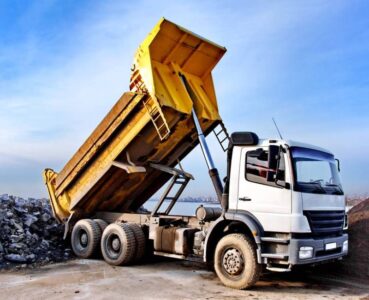
Ready to make your next project a success? Trust Bright LLC for expert material delivery right here in North and South Carolina. We bring you the highest quality gravel, sand, and soil—handpicked for our local conditions and delivered straight to your site. Let our friendly team help you choose the best materials for lasting results. Contact Bright LLC today and see the difference local expertise makes!
Get your site right from the start
Ensure your project stands strong and stays on schedule. Our team provides expert soil testing, material guidance, and site prep solutions for Charlotte, Concord, Gastonia, and Rock Hill. Reach out today to plan smarter, build safer, and avoid costly surprises.
Related Services
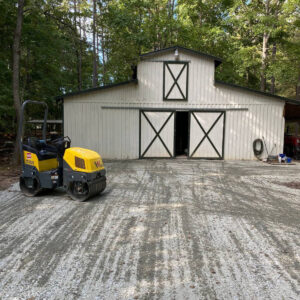
Material delivery
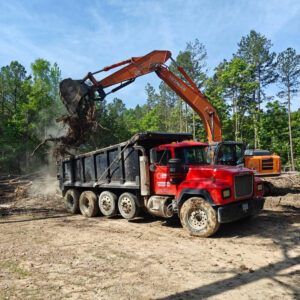
Debris removal
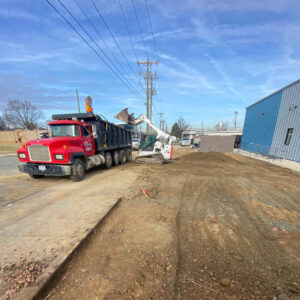
Land clearing
Get in touch today