
Can you sell materials from a demolished house?
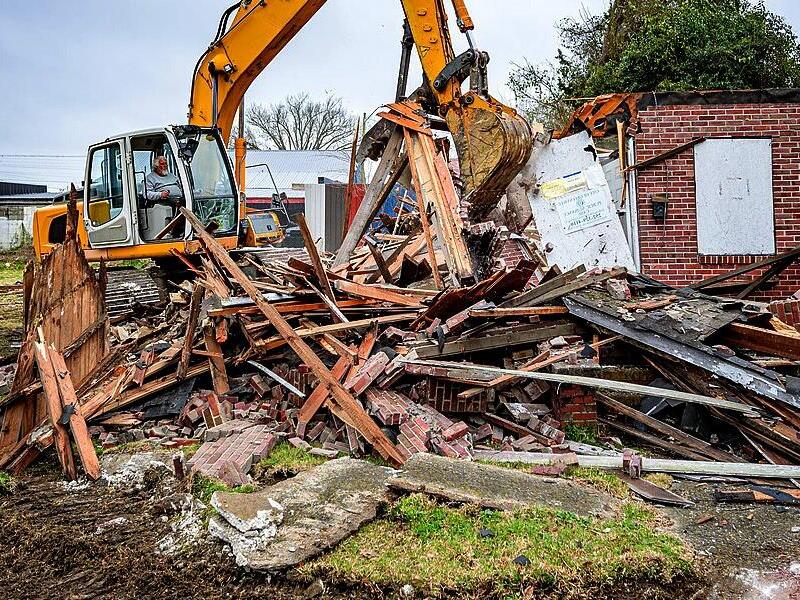
Most people think of demolition as destruction — bring in the excavator, knock it down, haul it away. But before the machines arrive, there’s often real value sitting inside that structure: hardwood floors, solid wood doors, cast iron fixtures, old-growth lumber, copper pipe, brick, and architectural details that simply aren’t made the same way anymore. The question isn’t whether those materials have value. It’s whether selling them is practical, legal, and worth the extra time and planning it requires.
For homeowners in North and South Carolina preparing for a teardown, the answer is often yes, but with the right approach.
What materials are actually worth selling after house demolition
Not everything inside a demolished home has resale value, but some categories consistently attract buyers and fetch meaningful prices.
Lumber and structural wood
Old-growth heart pine, Douglas fir, and similar hardwoods from pre-1950s construction are particularly sought after by furniture makers, custom home builders, and renovators. This wood is denser and more stable than modern lumber, and it can’t be easily replicated. Rough-cut beams from barns and older commercial structures command especially strong prices.
Hardwood flooring
Intact hardwood floors — particularly wide-plank heart pine or oak — can be carefully removed and resold. Buyers include homeowners doing renovations and salvage dealers. Value depends heavily on condition and whether the boards can be pulled without significant damage.
Doors, windows, and trim
Solid wood doors, period hardware, and old-growth millwork are consistently in demand. Original windows with wavy glass or decorative muntins attract buyers interested in historic preservation. Modern hollow-core replacements hold almost no resale value; original solid wood does.
Brick
Hand-pressed brick from older Carolina homes is different from modern machine-made brick — thicker, harder, and more irregular in a way that’s prized for landscaping, restoration, and accent walls. Buyers pay $0.50 to $2.00 per brick for clean, intact pieces, and an older home may yield tens of thousands of bricks.
Copper pipe and electrical wire
Copper is consistently valuable as scrap metal and sells by weight at metal recycling facilities. A single-family home can yield several hundred pounds of copper pipe and wiring, adding up to several hundred dollars at current scrap rates.
Cast iron and steel
Radiators, clawfoot tubs, old boilers, and cast iron pipes have both scrap value and collector interest depending on condition. Decorative cast iron pieces — fireplace surrounds, ornate grates — can be sold individually to salvage shops or directly to buyers.
Plumbing fixtures
Clawfoot tubs, pedestal sinks, and vintage faucet sets in working condition sell well through online marketplaces and architectural salvage dealers. More common builder-grade fixtures from the 1980s and 90s have little to no resale value.
Cabinets and millwork
Solid wood cabinetry, built-ins, and detailed trim work can be removed and resold, particularly from kitchens and libraries in older homes. Particleboard cabinets from more recent renovations typically don’t justify the removal effort.
Understanding what you have is the starting point. A walkthrough with an architectural salvage professional or an experienced demolition contractor before work begins can identify what’s worth pulling and what’s not.
How the process works: deconstruction vs standard demolition
Selling materials from a demolished structure requires removing them by hand before mechanical equipment arrives — a process known as selective deconstruction or soft stripping. This is fundamentally different from standard demolition, where an excavator takes the structure down in hours and materials get sorted from rubble.
In a selective deconstruction approach, a crew goes through the structure room by room, carefully removing designated materials intact. Flooring gets pulled. Doors and hardware are unhinged and stacked. Brick is knocked down and cleaned. Only after salvageable materials are out does mechanical demolition proceed on the remaining shell.
This takes longer than a straight teardown. Depending on scope, soft stripping a single-family home can add several days to a week to the overall project timeline. It also requires more planning upfront — you need to know what you’re saving before work starts, not after. For a clear picture of how demolition phases sequence from start to finish, Bright LLC’s guide on what to expect during a residential demolition project breaks down the full process including pre-demolition preparation.
The key tradeoff: labor and time cost more upfront, but recovered materials offset some or all of that added cost depending on what the structure contains.
Where to sell salvaged materials in North and South Carolina
Once materials are removed and staged, you have several options for moving them.
- Architectural salvage dealers buy materials outright or sell on consignment. Charlotte, Raleigh, Durham, and Asheville all have established salvage operations that purchase brick, lumber, doors, fixtures, and hardware. They handle the resale themselves, which is convenient but means you receive a wholesale price rather than retail.
- Online marketplaces — Facebook Marketplace, Craigslist, and specialty platforms like Salvage Hunters or eBay — allow direct sales to end buyers and generally yield higher prices. Hardwood floors, clawfoot tubs, and brick sell particularly well locally. The tradeoff is time spent managing listings, inquiries, and pickup logistics.
- Habitat for Humanity ReStores accept donated building materials including cabinets, doors, windows, flooring, and fixtures. This isn’t a sale, but donations to a registered nonprofit are tax-deductible and the deduction can be claimed at fair market value — which on a significant salvage haul can rival or exceed what you’d net from a sale after your time and effort are factored in.
- Metal recycling facilities in Charlotte, Gastonia, Rock Hill, and Columbia accept copper, steel, cast iron, and aluminum by weight. Pricing fluctuates with commodity markets, but copper in particular is consistently worth the trip.
- Direct to contractors and builders is an option worth exploring, particularly for lumber and brick. Custom home builders, restoration contractors, and historic preservation projects actively seek quality reclaimed material and may be willing to purchase directly from the source or even participate in removal.
Legal and regulatory considerations in NC and SC
Before any material is removed from a structure slated for demolition, two things need to be confirmed: the demolition permit status and hazardous material clearance.
Permits and ownership
Once a demolition permit is issued in North or South Carolina, the work must proceed according to the approved scope. Selling or removing materials before the permit process is in order — or in a way that changes the project scope — can create complications with inspectors. Make sure the salvage plan is part of the conversation with your contractor from the beginning, not an afterthought.
Asbestos and lead paint
This is the critical step many homeowners overlook. Any home built before 1980 requires a licensed asbestos inspection before demolition begins — and before any interior materials are disturbed. Pulling flooring, tearing out drywall, or removing pipe insulation without first confirming those materials are asbestos-free is both illegal and dangerous. North Carolina’s HHCU Asbestos Program and South Carolina DHEC both mandate inspection and, where asbestos is present, licensed abatement before deconstruction or demolition proceeds. For a full breakdown of what this involves and costs, see Bright LLC’s guide on asbestos removal before demolition.
Utility disconnection
All utilities — gas, electricity, water, and sewer — must be formally disconnected before interior work begins, including salvage. This is a safety requirement, not a suggestion. The full utility disconnection process needs to happen before any crew enters the structure for deconstruction work.
Handling permits, asbestos clearance, and utility disconnection correctly is also what protects you from liability if a worker is injured on-site during salvage operations. Contractors working on permitted projects carry appropriate insurance; informal arrangements don’t offer the same protection.
Is it financially worth it?
The honest answer depends on what’s in the structure and what the demolition timeline allows. Not every home has salvageable materials worth the additional time and cost of careful extraction. A 1985 tract home with hollow-core doors, vinyl flooring, and builder-grade cabinets probably doesn’t justify deconstruction. A 1920s mill-town house in Durham or Rock Hill with heart pine floors, solid brick, and original millwork may yield $5,000 to $20,000 or more in salvageable value — enough to meaningfully offset demolition costs.
The calculation also changes depending on whether you’re donating vs. selling. A charitable donation to a ReStore, appraised at fair market value by a qualified professional, can generate a tax deduction that rivals net sale proceeds once you account for the time spent on transactions.
As a general rule, if the structure is pre-1960 and largely original, a conversation about salvage is worth having before demolition is scheduled. If it’s been heavily renovated with modern materials, skip the salvage planning and focus on an efficient teardown. Bright LLC’s full demolition cost breakdown helps put the overall numbers in context so you can make an informed decision.
Working with Bright LLC on material salvage and demolition
Bright LLC is a licensed demolition contractor serving Charlotte, Durham, Rock Hill, Columbia, and communities throughout North and South Carolina. The team can assess whether your structure’s materials justify a selective deconstruction approach, coordinate the sequencing with permitting and abatement requirements, and execute the project from salvage through final site clearing.
Transparent quotes, no hidden fees, and in-house permit handling mean you’re not managing multiple vendors and regulatory timelines on your own.
Contact Bright LLC for a free on-site estimate — including an honest assessment of what your structure may be worth before it comes down.