
Why soil testing matters before you dig

A site can look ready for excavation and still hide problems below the surface. In the Charlotte area, clay soil, poor drainage, undocumented fill, and soft spots can affect slabs, driveways, retaining walls, and utility work. Soil testing helps identify those risks before crews start digging, grading, or building.
This guide explains what soil testing shows, how it affects excavation and grading decisions, and why testing early can prevent delays, drainage problems, and costly rework.
Why soil testing is the first step in any project
A disciplined construction prep plan begins with site testing that answers three things: what loads the ground can carry, how water will move across and through the lot during storm weeks, and which improvements will lock in performance for slabs, drives, and walls. With soil testing for construction, we log layers, moisture, and density, then turn that data into clear targets for site prep for construction before layout and grading begin. For cuts, trenching, and mass earthwork inside the city, our approach to excavation services in Charlotte keeps subgrades workable when weather flips.
What can go wrong if you skip testing
Skipping land testing before construction looks quick on day one and costly by month one. Typical failures in our region include slab cracks after hot dry spells when plastic clays shrink, rutted access drives because subgrades pump under traffic after rain, and leaning walls where backfill and drains never matched the soil profile. Septic fields and infiltration beds falter without a proper soil quality test. A surprise during a construction site inspection can halt work when undocumented fill or soft pockets sit under a footing. If a teardown must happen first, we stabilize and document ground conditions during safe structure removal through demolition in Charlotte, so earthwork starts clean.
How soil testing reveals what’s under the surface
A reliable construction soil test combines field borings and lab work. Field crews place borings where corners, drives, and wall lines will land. Labs classify soils, measure moisture and density, and test strength. The output is a clear soil report for building with undercut depths, lift thickness, compaction targets, drainage routes, and treatments such as geogrid or lime stabilization. That roadmap guides durable site prep for construction and keeps change orders grounded in facts. Standard Proctor compaction is often referenced in these packages, and we cite it directly as ASTM D698 to keep everyone on the same page.
For a broad look at mapped soil information, the USDA NRCS Web Soil Survey provides official soil data and maps that can help owners understand general site conditions before detailed project testing.
Understanding drainage and water movement on your site
Water drives many failures in our region. Targeted soil analysis shows how quickly the subgrade allows water to move, where seasonal groundwater sits, and how storms travel across the lot. Low infiltration rates create perched water and muddy subgrades. High infiltration rates can carry fines unless we add edge restraint and filter or separator layers. With this level of ground testing for building, we set slopes, underdrains, swales, and base stone that keep utilities on grade and reduce rework after framing starts.
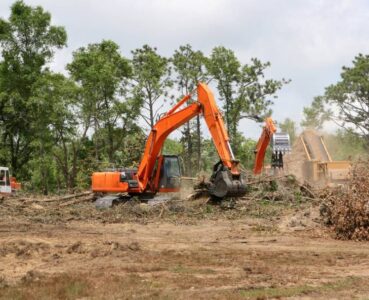
Soil testing can also shape grading decisions after clearing, especially when a lot needs drainage correction, compaction, or foundation preparation before the next phase of work.
Matching your foundation to your soil conditions
Foundations last when they match the soil beneath. Foundation soil testing tells us when plastic clays call for thicker slabs and tighter joints or when legacy fill needs removal or treatment. Using measured conditions from building site testing, we align footing depth, reinforcement, vapor control, and capillary breaks with the actual profile. Interior finishes stay tight and doors close cleanly long after the punch list.
Who performs soil testing and how it’s done
For building site testing, you get a licensed geotechnical engineer, a field crew with a rig or hand auger, and a certified lab. Field teams log layers and collect samples. Labs run proctors, Atterberg limits, shear, and consolidation where needed. We sit with you, review the package line by line, and translate results into scopes, quantities, and phasing that vendors and crews can follow. On teardown lots around Concord, we pair testing with safe utility kills and structure removal through demolition in Concord so the rebuild begins on documented ground.
In plain terms, here is what you receive. A complete soil report for building usually includes boring logs with elevations and groundwater notes, USCS classifications, moisture and density data, recommended undercut and backfill specs, lift thickness and compaction targets, pavement sections by traffic class, foundation options with bearing values, and drainage details tied to grading.
Soil testing and local building requirements
Review teams in the Charlotte area expect a geotechnical basis behind footings, slabs, retaining walls, and stormwater features. Inspectors look for lift thickness, compaction targets, and drainage details that match the pre construction soil testing package and the construction site inspection notes. We structure each submittal to match local checklists and standard forms. That reduces back-and-forth and speeds approvals. In Gastonia, city checks can layer with county reviews. Our crews align paperwork and dirt work on permitted jobs such as demolition in Gastonia so schedules hold.
Long-term benefits of starting with soil testing
Early decisions shape long-term performance. Accurate site testing and measured site prep for construction lower slab movement, keep parking from rutting, and help stormwater systems work through summer downpours. Landscapes establish better when soil amendments and drainage match the profile. Owners see smoother sales and refinances because the project file includes defensible soil testing for construction results and a documented soil report for building. On infill near Rock Hill we often stage demo, testing, and grading in one plan, supported by work like demolition in Rock Hill.
Let Bright LLC handle your eco-conscious site preparation
Sustainability starts underfoot. We protect topsoil where it adds value, install erosion control before the first bucket moves, recycle concrete and asphalt when feasible, and match materials to measured soils to cut waste and fuel burn. Our team is licensed and insured, committed to safe practices, modern equipment, and delivery on time and within budget. From early pre construction soil testing to final grade, we plan for rain, neighbors, and inspectors. If you want numbers from the ground instead of surprises in the field, contact Bright LLC to scope construction prep and building site testing for Charlotte, Concord, Gastonia and Rock Hill.
Get your free NC excavation quote now
Facing a tough excavation challenge? Don't wait—our expert crew is ready 24/7 to tackle your project with the right equipment, safety, and efficiency.
Related Services
Debris removal
Land clearing
Get in touch today