
A complete guide to the OSHA excavation standard for Charlotte construction projects
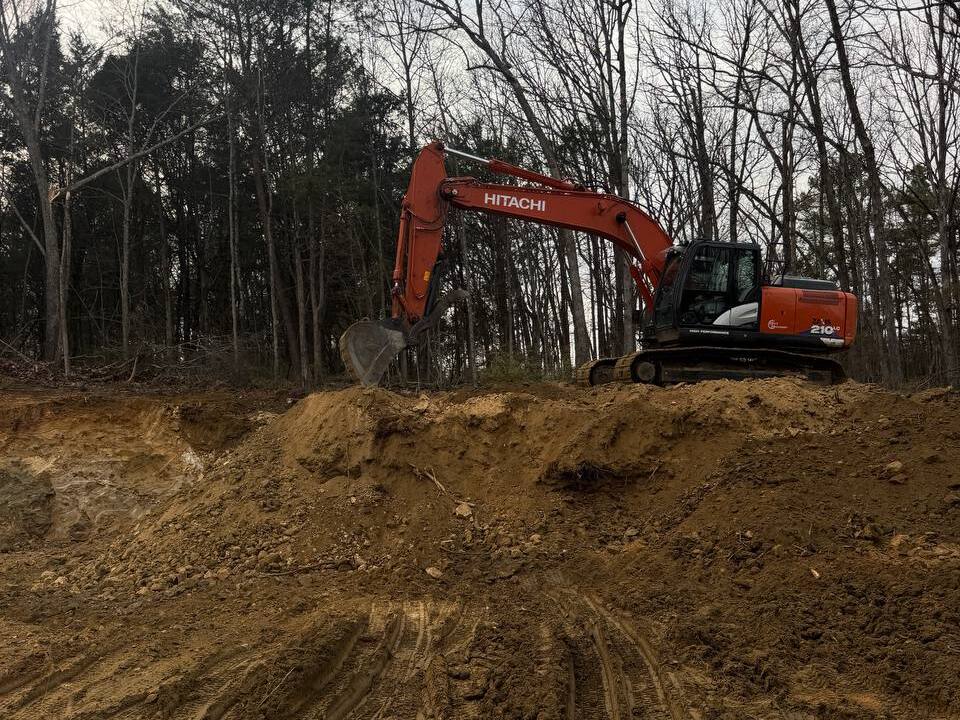
If you’re doing any kind of digging on a construction site around Charlotte — whether it’s for foundations, utilities, or site preparation — you need to know about OSHA’s excavation standard. We’re talking about 29 CFR 1926 Subpart P, and it’s not just bureaucratic red tape. These regulations literally save lives.
We’ve been doing excavation work throughout Mecklenburg County and the surrounding areas for years, and we take these standards seriously. Every single day. Because when you’re working in trenches and excavations, there’s no room for shortcuts.
Let us walk you through what the OSHA excavation standard actually means, why it matters, and how it affects your construction project here in the Carolinas.
What is the OSHA excavation standard?
The OSHA excavation standard is a set of federal regulations designed to protect workers during excavation and trenching operations. It covers everything from how deep you can dig without protection to what kind of shoring systems you need.
According to OSHA’s trench and excavation safety guidelines, an excavation is any man-made cut, cavity, trench, or depression in the earth’s surface formed by earth removal. If you’re digging deeper than your ankles for a construction project, these rules likely apply to you.
Here’s the sobering reality: cave-ins are one of the most deadly hazards in construction. The weight of soil can be 100-150 pounds per cubic foot. When that collapses on a worker, even emergency response within minutes often isn’t fast enough. That’s why OSHA treats excavation safety so seriously, and so do we.
When does the OSHA excavation standard apply?
The standard applies to all open excavations made in the earth’s surface, including trenches. Basically, if your construction project involves digging, you’re covered by these regulations.
This means whether we’re doing land clearing and excavation for a new home in Concord, site preparation for a commercial building in Rock Hill, or utility work in Gastonia, we’re following OSHA excavation standards.
The regulations kick in for any excavation work, but specific protection requirements depend on depth and conditions. We’ll get into those details below.
Key OSHA excavation safety requirements
Let’s break down the major requirements you need to know about:
The 5-foot rule
This is the big one: OSHA requires protective systems for excavations 5 feet deep or greater. There are only two exceptions — if the excavation is made entirely in stable rock, or if a competent person examines the ground and finds no indication of a potential cave-in.
In our experience working around Charlotte, that second exception is rare. The red clay soil we have here in North Carolina can be unpredictable. We don’t take chances.
The 4-foot rule
Even for excavations less than 5 feet deep, if a competent person identifies indicators of potential cave-in, you need protection. This could be cracks in the soil, signs of water seepage, or previously disturbed ground.
Soil classification requirements
OSHA requires soil to be classified by a competent person. Soil types range from Stable Rock (Type A) to Type C (the least stable). Different soil types require different protection systems.
The clay-heavy soil common in Mecklenburg and Cabarrus Counties often falls into Type B or C, which means we need robust protective systems for deeper excavations.
Competent person requirements
Here’s something critical: OSHA requires a “competent person” on site for all excavation work. This isn’t just anyone with a shovel. A competent person must be:
- Capable of identifying existing and predictable hazards
- Authorized to take prompt corrective measures
- Trained in soil analysis and protective systems
- Present daily and throughout the shift
We ensure our excavation crews always include someone who meets these requirements. It’s not optional.
Types of OSHA-approved protective systems
When you’re digging deeper than 5 feet (or less if conditions warrant), you need one of these protective systems:
Sloping and benching
This means cutting back the trench wall at an angle. The required angle depends on soil type. Type C soil (the least stable) requires a slope of 1.5:1 (34 degrees from horizontal). Basically, for every foot you go down, you need to go back 1.5 feet.
Sloping works great when you have space. For site grading and excavation on larger properties around York County or out in more rural areas, this is often our preferred method.
Shoring
Shoring uses aluminum hydraulic or other systems to support trench walls. This is what you’ll see on tighter job sites where there isn’t room to slope. The shoring must be installed as excavation proceeds and must extend at least 18 inches above the top of the trench.
We use shoring regularly on urban projects in Charlotte where space is limited and we need to dig for foundations or utilities.
Shielding (trench boxes)
Trench boxes are protective systems that don’t prevent cave-ins but protect workers if one occurs. They’re commonly used for utility work and must be designed or approved by a registered professional engineer.
The key thing with trench boxes: they protect workers inside the box, but anyone outside is still at risk. We make sure workers stay in the protected area.
Combination systems
Sometimes projects require combining these methods. For example, you might slope the upper portion and use shoring for the lower section. As long as the system provides equivalent protection, OSHA allows it.
Excavation hazards beyond cave-ins
OSHA’s excavation standard addresses more than just cave-ins:
Water accumulation
Water in excavations creates additional hazards. It destabilizes soil and creates drowning risks. OSHA requires water removal equipment on site and proper drainage systems.
Given our rainfall patterns here in the Carolinas — especially during summer thunderstorms — water management is a constant consideration. Our site preparation work always includes drainage planning.
Hazardous atmospheres
Deep excavations can have oxygen deficiency or toxic gas accumulation. OSHA requires atmospheric testing for excavations deeper than 4 feet when hazardous atmospheres could reasonably be expected.
This is especially relevant when excavating near old industrial sites or areas with underground storage tanks.
Falls and falling objects
Workers can fall into excavations, and materials can fall onto workers below. OSHA requires:
- Barriers or covers for excavations workers could fall into
- Spoil piles (excavated dirt) kept at least 2 feet from excavation edges
- Materials and equipment kept away from edges
We take this seriously on every job site. A simple barrier can prevent a tragedy.
Underground utilities
Before any excavation begins, underground utilities must be located. In North Carolina, you call 811 before you dig — it’s the law. But OSHA goes further, requiring safe distances from underground utilities and proper procedures when working near them.
We always call 811 and wait for utility locates before starting any excavation work. We’ve seen what happens when people skip this step, and it’s never good.
Daily inspection requirements
Here’s something that surprises some people: OSHA requires daily inspections of excavations. A competent person must inspect:
- Before workers enter
- After rainstorms
- After other events that could increase hazards
- When conditions change
These aren’t quick glances. The competent person is looking for evidence of cave-ins, failures in protective systems, hazardous atmospheres, and hazardous locations of materials or equipment.
We document these inspections on every job. It’s part of our standard operating procedure, not an extra step.
Access and egress requirements
Workers need a safe way in and out of excavations. OSHA requires:
- Ladders, steps, ramps, or other safe means of access
- Located within 25 feet of workers in trenches 4 feet or deeper
- Positioned so workers don’t have to climb over equipment or other obstacles
This seems obvious until you’re on a busy job site and someone’s in a hurry. We don’t cut corners on access requirements. Period.
OSHA excavation standard penalties and enforcement
OSHA doesn’t mess around with excavation violations. The penalties are serious:
- Serious violations (those with substantial probability of death or serious physical harm): up to $16,131 per violation
- Willful or repeated violations: up to $161,323 per violation
- Failure to correct violations: $16,131 per day beyond the abatement date
But here’s the thing — we don’t follow these standards because of penalties. We follow them because our crews go home safe every night. The regulations are written in blood from past tragedies, and we’re not adding to that list.
How OSHA standards affect your construction timeline
Some clients worry that following OSHA standards will slow down their project. The reality? Proper excavation safety usually speeds things up. Here’s why.
Fewer accidents mean fewer delays
An accident shuts down your job site. Investigations happen. Work stops. Crews are shaken. Following OSHA standards prevents accidents, which keeps your project moving.
Better planning improves efficiency
Meeting OSHA requirements forces good planning. Where will the spoil pile go? How will workers access the excavation? What’s the soil type? Answering these questions up front prevents problems later.
When we’re planning demolition and excavation work, OSHA compliance is built into the timeline from day one. It’s not an add-on; it’s how we work.
Experienced crews work faster
Our crews know OSHA standards inside and out. They’re not figuring it out as they go. This experience translates into efficient, safe work that stays on schedule.
Training and certification for excavation work
OSHA requires training for anyone working in or around excavations. This includes:
- Recognizing excavation hazards
- Understanding protective systems
- Knowing emergency procedures
- Proper equipment operation
We invest heavily in crew training. It’s not just initial training either — we do regular refreshers and updates whenever OSHA issues new guidance.
For property owners and developers working with contractors, ask about training records. A qualified excavation contractor should be able to show you that their crew is properly trained.
Local considerations for Charlotte-area excavation
While OSHA standards are federal, local conditions affect how we implement them:
Soil conditions
The red clay soil common throughout Mecklenburg, Cabarrus, and York Counties has specific characteristics. It can seem stable when dry but becomes unstable when wet. We factor this into our soil classifications and protective system choices.
Weather patterns
Summer afternoon thunderstorms can dump inches of rain in minutes. We monitor weather constantly during excavation work and don’t hesitate to stop work when conditions become unsafe.
Municipal requirements
Beyond OSHA, local municipalities have their own permitting and inspection requirements. We navigate these requirements daily and ensure compliance at both federal and local levels.
Working with OSHA-compliant excavation contractors
If you’re hiring an excavation contractor for your Charlotte-area project, here’s what to look for:
Ask about their safety program
Any reputable excavation contractor should have a written safety program that addresses OSHA excavation standards. We’re happy to discuss ours with potential clients.
Verify competent person certification
Make sure the crew will include a properly trained competent person. Ask to see training documentation.
Check insurance and workers’ comp
OSHA-compliant contractors carry proper insurance. If someone’s cutting corners on safety, they’re probably cutting corners on insurance too.
Look at past projects
Experience matters in excavation work. We’ve been working on projects from residential land clearing to commercial site preparation throughout the region. That experience means we know how to work safely and efficiently.
The bottom line on OSHA excavation standards
OSHA’s excavation standard isn’t bureaucratic hassle — it’s life-saving regulation based on decades of experience and tragedy. Every requirement exists because someone, somewhere, was killed or seriously injured.
We follow these standards on every project, every time. Not just because it’s the law (though it is), but because it’s the right thing to do. Our crews deserve to go home safely, and your project deserves to proceed without accidents or delays.
Whether you’re planning a small residential project or major commercial development around Charlotte, understanding OSHA excavation requirements helps you work with qualified contractors and ensures your project succeeds safely.
The regulations might seem complex at first, but they boil down to common sense: classify your soil, protect your workers, inspect daily, and never take shortcuts when lives are on the line.
Planning excavation work for your construction project? We’re committed to OSHA-compliant, safe excavation services throughout the Charlotte area. Call us at (704) 995-7731 or contact our team to discuss your project and how we approach excavation safety.