
The complete guide to land clearing before new construction

According to industry reports, improper land clearing can lead to costly delays and environmental damage. In fact, up to 30% of construction setbacks are linked to issues during site preparation. This is the reason our guide exists. We’ll walk you through everything you need to know about land clearing before new construction. So you can be one of the 70% who get the job done fast and without extra costs. From different clearing methods and legal requirements to budgeting and safety tips, we’ll equip you with the knowledge to confidently manage your project. Read the article till the end, save it, share a guide with friends and call true NC land clearing kings for help!
What does land clearing really mean?
Land clearing is the process of removing trees, shrubs, rocks, and other natural obstacles from a piece of land to prepare it for construction or other uses. The goal is to create a clean, safe, and level area where building can begin without any issues. The process include activities:
- Tree removal: cutting down trees and clearing shrubs that block the area.
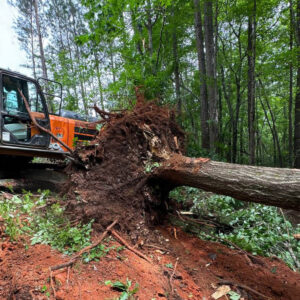
- Grubbing: removing stumps, roots, and any underground vegetation.
- Scalping: stripping away the top layer of soil and vegetation to expose a clean surface.
- Grading: leveling and shaping the land to the right slope or elevation for construction.
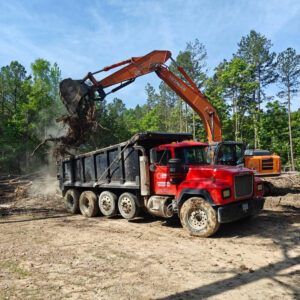
- Debris removal: clearing away rocks, brush, and other obstacles that could interfere with building.
Difference between land clearing, grading and excavation
Land clearing is different from grading and excavation, which reshape and dig into the soil to prepare the site further. This will help you to understand what do you really need:
| Process | What it involves | Purpose | When it happens |
| Land clearing | Removing trees, bushes, rocks, and debris | Creating a clean, safe, and level area | First step before construction starts |
| Grading | Reshaping and leveling the soil | Ensuring proper drainage and stable base | After land clearing, before building |
| Excavation | Digging into soil to create foundations or trenches | Preparing the site for foundations or utilities | After grading, before foundation work |
If your project includes both vegetation removal and surface shaping, our guide to land clearing and grading explains where clearing ends, when grading starts, and when both steps are needed before construction.
When and why you need to book land clearing services
Booking land clearing at the right time is important for a smooth project. You should schedule it before any construction work begins. After a site inspection, once you know what trees, rocks, or debris need to be removed, is the best moment to plan. Clearing the land before heavy machinery arrives helps avoid delays and keeps the site safe for workers and equipment.
- Before construction starts: clear the land before any building or utility work begins.
- After site inspection: once you know what needs to be removed, you can plan the clearing.
- Before heavy equipment arrives: clearing first makes sure machines can work safely without obstacles.
Land clearing prepares your site by removing obstacles like trees, bushes, rocks, and debris. This makes sure construction can start without problems. It also helps keep workers and machines safe by clearing the way for easy access. Proper clearing early on prevents delays and extra costs caused by unexpected obstacles during building.
Introduction to types of land clearing methods
Land clearing uses different methods depending on the site and what you need. The best method depends on how big the area is, your budget, environmental rules, and what you want to do with the land. For small areas or when you want to protect some plants, manual clearing with tools like chainsaws works well. For large spaces, machines like bulldozers and skid steers can clear land faster but may disturb the soil more. Use this table as a recommendation when making a decision.
| Method | Techniques / Tools | Best for | Pros | Cons |
| Manual clearing | Hand tools: chainsaws, axes, machetes, rakes | Small areas, limited machine access, selective clearing | Environmentally friendly, precise | Slow, labor-intensive, not for large areas |
| Mechanical clearing | Heavy machinery: bulldozers, excavators, skid steers, clearing mowers | Large areas, fast clearing, good access | Fast, efficient for big jobs | Expensive, soil disturbance, less eco-friendly |
| Chemical clearing | Herbicides applied to vegetation | Small-scale vegetation control | Effective on targeted plants | Environmental risks, careful use needed |
| Controlled burning | Carefully managed fires | Large dense vegetation, agriculture | Quick, effective on big areas | Risky, needs planning, erosion and air issues |
| Mulching | Wood chippers, shredders | Eco-friendly clearing, soil improvement | Minimizes soil disturbance, improves soil | Not always suited for large or tough vegetation |
Land clearing begins with getting permission and and satisfying legal requirements
Before starting a land clearing project in North Carolina, it’s important to follow all state and local rules to avoid delays or fines. Here’s what you need to know to get started safely and legally.
Understand permit requirements
For land disturbances of one acre or more, you must get an approved Erosion and Sediment Control Plan (E&S Plan) and a NPDES Construction Stormwater Permit from the North Carolina Department of Environmental Quality (NC DEQ). Many counties have stricter rules. For example, Orange County requires an Erosion Control and Stormwater Management Plan if clearing exceeds 20,000 square feet.
Talk to local authorities
Some towns like Surf City require a zoning permit with a tree survey showing trees to be removed. For sites under two acres accepting land clearing debris, you must submit a notification form for approval.
Environmental considerations
Projects near protected species habitats may face restrictions. Learn more in the NC DEQ permit guidance. For activities near trout waters, a 25-foot undisturbed buffer zone must be maintained.
Specialized permits
If creating a landfill for land clearing debris, apply for an LCID landfill permit. Projects that may emit pollutants could require an air quality permit.
Free advice from Bright LLC team. Always check with your local planning or environmental office for specific rules. This helps ensure your project meets all local and state requirements.
Land clearing process explained step-by-step
Step 1. Site assessment and planning
The first step is to inspect the land carefully. This involves identifying what vegetation, rocks, or obstacles are present. Planning also includes deciding which areas to protect and how to handle debris. A good plan helps avoid surprises later.
Step 2. Marking boundaries and protected areas
Before clearing starts, boundaries must be marked clearly. This includes areas where trees or plants need to be preserved, as well as property lines. Marking these zones prevents accidental damage and ensures compliance with environmental rules.
Step 3. Obtaining necessary permits and approvals
You must get all required permits from local or state authorities before beginning work. This may include erosion control permits, zoning approvals, or environmental clearances. Permits ensure your project follows legal and safety standards.
Step 4. Removing vegetation and debris
Next, crews remove trees, bushes, and debris from the site. This can be done manually or with machines depending on the project size. Clearing the surface vegetation prepares the land for further work.
Step 5. Grubbing (removal of roots and stumps)
After vegetation is removed, the next step is grubbing. This means digging out roots and stumps left in the ground. Proper grubbing is important to prevent future problems with construction or landscaping.
Step 6. Grading and leveling the site
The final step is grading, which means leveling and shaping the land to the desired slope or elevation. This prepares the site for building, drainage, or other uses, ensuring a stable foundation for your project.
How much will it cost to clear your land?
The cost to clear land in North Carolina can range widely depending on factors like tree density, terrain, and total acreage. For example, clearing a lightly wooded acre may cost around $500–$2,000, while heavily wooded areas can run $2,000–$6,000 or more. On average, most homeowners in North Carolina spend about $1,750 per acre for full clearing. Additional expenses like stump removal, grading, and permit fees may raise the total.
How to save money? Always get a detailed written estimate from a licensed contractor. Ask if the quote includes permitting, cleanup, stump removal, and grading. Today, you’re lucky – at Bright LLC, we inspect your property in person to provide precise, written estimates—not guesses. Contact us to get a custom quote tailored to your site’s needs.
Thinking land clearing is cheaper when DIY? Let’s compare land clearing contractor and DIY methods
DIY land clearing might seem like a way to save money — until you start adding up the equipment rentals, labor time, safety risks, and permit headaches. While small projects like brush removal or trimming can be manageable, anything beyond that can quickly become overwhelming. Hiring a professional contractor, especially for larger or wooded lots, ensures that your project is done safely, legally, and on time. Here’s a clear side-by-side comparison to help you decide what makes the most sense for your land.
| Factor | DIY land clearing | Professional contractor |
| Cost | Lower upfront, but may increase with equipment rental, dump fees, and mistakes | Higher upfront, but usually includes all labor, tools, permits, and cleanup |
| Time & labor | Time-consuming, especially without help; physically demanding | Quick turnaround with a full team and heavy machinery |
| Equipment | Must rent or buy tools like chainsaws, stump grinders, or tractors | All equipment is provided and operated by licensed professionals |
| Permits & regulations | Must research and handle all local/state permits and inspections on your own | Permits, erosion control, and legal compliance are usually handled by the contractor |
| Safety | Higher risk without training or proper protective gear | Follows OSHA safety standards with trained crews |
| Quality & results | Risk of uneven grading, missed roots, or poor drainage | Clean, professional finish ready for construction or landscaping |
| Debris disposal | Must arrange hauling or rent dumpsters | Included in most contractor services |
| Environmental rules | Must research local buffer zones, wetlands, and burn rules | Professionals understand and follow all environmental laws |
When hiring a contractor is better? If your site is larger than ¼ acre, has trees, slopes, or underground utilities, hiring a professional is usually safer, faster, and more cost-effective in the long run. At Bright LLC, we offer free walk-throughs to give you an honest assessment of what your land really needs.
Knowledge that will save you from additional expenses
Environmental considerations
In North Carolina, clearing near wetlands, streams, or protected habitats often requires permits or buffer zones. You also need to manage runoff, erosion, and debris to avoid polluting nearby areas. Removing trees without permission, especially in regulated zones, can cost you hundreds or even thousands. Working with a knowledgeable contractor who understands local and state environmental regulations can prevent these problems — and save you time and money.
Best land clearing contractors in North Carolina
Being the best land clearing contractor isn’t just about showing up with heavy machinery. It means delivering reliable results, staying compliant with all local laws, and making the process smooth from start to finish.
And when it comes to reliable, efficient, and fully legal land clearing in North Carolina, Bright LLC stands out as one of the top contractors in the region. We specialize in preparing residential and commercial sites for new construction — from removing dense vegetation and trees to stump grinding, grading, and hauling debris.
What sets us apart? We take care of everything, so you don’t have to. That includes:
- Handling permits, erosion control, and local regulations
- Using the right method for your site — mechanical, manual, or mulching
- Following NC DEQ and local zoning rules to the letter
- Keeping your site clean, safe, and ready for building
Equipment used in land clearing
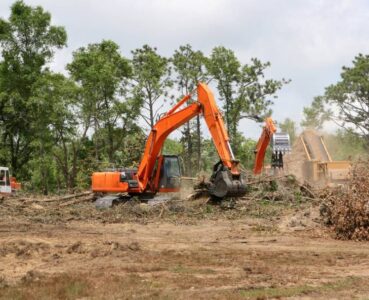
For big jobs, machines like bulldozers, excavators, and skid steers clear land fast but cost more to rent. For smaller areas or more careful work, tools like chainsaws, brush cutters, and stump grinders work better. Some equipment, like mulchers and wood chippers, turn trees and brush into mulch right on your land, cutting hauling fees. Picking the wrong equipment slows the job and raises costs, so plan ahead.
Safety tips
Land clearing can be dangerous if proper precautions aren’t taken. To stay safe, keep these tips in mind:
- Wear protective gear if do it yourself: helmets, gloves, eye protection, and sturdy boots
- Check for underground utilities before digging or removing stumps
- Keep a safe distance from heavy machinery at all times
- Clear the area of people and pets before starting work
- Follow all local safety regulations and equipment instructions
- Stay alert and aware of your surroundings throughout the project
Following these steps helps prevent accidents and keeps everyone safe during land clearing.
Now you’re ready to call Bright LLC contractors to book land clearing services
Whether you need a half-acre lot cleared or a full-scale land prep for a multi-acre development, our crew is licensed, insured, and ready to deliver. We provide free on-site estimates and clear pricing — no hidden fees or surprises.
Ready to get started? Contact Bright LLC today for a fast quote and expert guidance. We’ll help you avoid costly delays and make sure your project starts on solid ground.
Call land clearing contractor in NC
Ready to get your land cleared quickly and hassle-free? Contact Bright LLC today for expert land clearing services you can trust. Book a free consultation and let our local team help you prepare your site safely and efficiently — so your construction project can start on the right foot!
Related Services
Excavation
Debris removal
Get in touch today