
Commercial demolition vs residential demolition: key differences
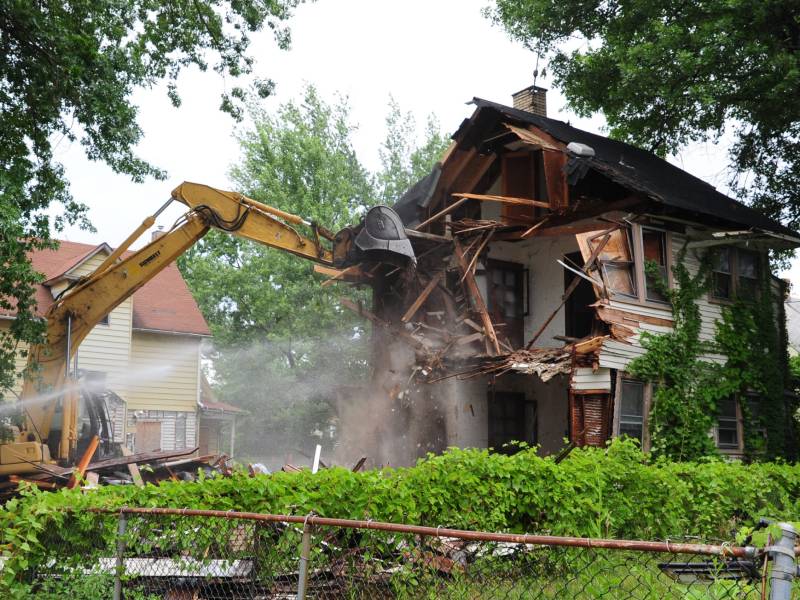
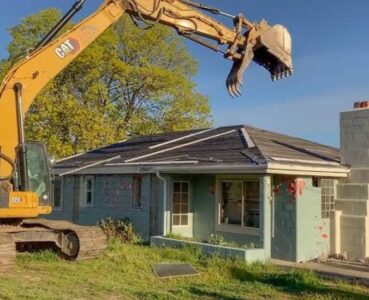
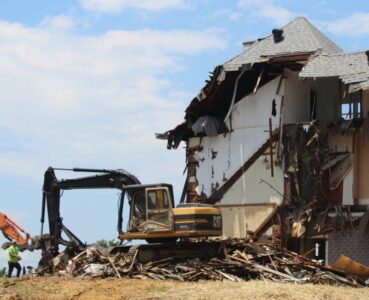
Cut your demolition costs and delays by knowing these crucial differences. Demolition is more than just tearing down walls. It takes planning, safety, permits, the right equipment, and a budget. So knowing the difference between residential and commercial demolition helps you save time, money, and stress. And you will get it all after reading the article by our demolition experts. We’ll explain differences in clear, simple language so you know what to expect if you’re planning a demolition project.
Understanding the difference between residential and commercial demolition
Residential demolition usually involves houses, apartments, and small multi-family buildings. Commercial demolition covers larger buildings such as offices, warehouses, factories, and retail spaces.
The differences aren’t just about size. They include planning, safety requirements, permits, equipment, costs, and waste-handling. Understanding these differences helps you choose the right approach and contractor for your project.
Differences in project size and complexity
Residential house demolition projects are generally smaller. Most homes can be demolished in a few days to a week.
For example, a 1,800-sq-ft bungalow in Charleston, NC was successfully torn down in just 72 hours using a single skid steer. Their walls are often wood or simple framing, and the plumbing, electrical, and HVAC systems are less complicated than in commercial buildings.
Commercial demolition projects are bigger and more complex. These buildings may have multiple floors, use steel or reinforced concrete, and include heavy machinery or special systems. Sometimes demolition is done in stages to avoid disturbing nearby businesses or residents.
For example, staggered floor-by-floor removal cut tenant downtime by 40% in a recent office project in Columbia, SC. This phased strategy not only minimizes disruption but can also reduce overall costs, ensuring a smoother process for all parties involved.
|
Feature |
Residential demolition |
Commercial demolition |
|
Building type |
Single-family homes, small apartments |
Offices, warehouses, factories, retail |
|
Size |
Small to medium |
Medium to large, multi-story |
|
Structure |
Wood frame, simple concrete |
Steel frame, reinforced concrete |
|
Project time |
Days to 1 week |
Weeks to months |
|
Complexity |
Low |
High, may require phased demolition |
|
Nearby impact |
Minimal |
High, may affect surrounding businesses and traffic |
Regulatory requirements and permits
You still need permits for residential demolition, but the process is usually simple. The local building department handles the paperwork, and inspections are usually easy to complete. Commercial demolition needs more permits and approvals. City rules, environmental laws, zoning, and sometimes federal rules all apply. Some commercial buildings also contain hazardous materials, which require special permits and trained workers to remove them.
If you don’t follow commercial demolition rules, you could face fines or project delays. That’s why it’s important to hire experienced contractors who understand local regulations.
Equipment and demolition techniques
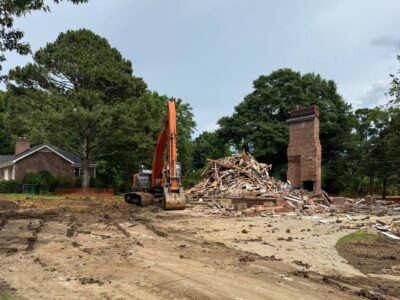
Residential demolition uses smaller, simpler tools. Common equipment includes hand tools, small bulldozers, skid steers, and small excavators that weigh between 3 to 5 tons. The work is usually quick and simple.
Commercial demolition uses larger, specialized equipment. This might include high-reach excavators, cranes, wrecking balls, and sometimes controlled implosions. Crews may use selective demolition to keep certain parts of the building or deconstruction to recover valuable materials. AI-driven robots now map and cut concrete with millimeter precision on select high-rise demos, showcasing how technology is shaping the future of demolition.
Some commercial projects use robotic demolition machines or advanced dust control systems to reduce environmental impact. Residential demolition rarely requires this type of technology. You can learn more about what to expect during a house demolition from us.
Cost and timeline comparison
There is a big difference in cost between residential and commercial demolition. For homes, the price depends on the size, materials, and labor. Most houses cost between $8,000 and $25,000 to demolish.
Commercial demolition costs much more. The price depends on the building’s size, complexity, location, permits, safety requirements, and waste removal. For large commercial buildings, costs can reach hundreds of thousands of dollars or more.
However, reclaiming valuable materials during the demolition process, such as structural steel, can offset costs significantly. For example, recovering structural steel can offset up to 10% of demolition expenses, which can be a substantial saving in large projects.
Waste management and environmental considerations
Both residential and commercial demolition create waste, but commercial projects produce much more. Residential demolition usually results in wood, drywall, concrete, and small amounts of metal. This waste is often sent to local landfills or recycled. This is also true for partial house demolition.
Commercial demolition can involve dangerous materials like asbestos, lead, or chemicals. These need special handling, removal, and disposal. Environmental rules often decide how and where these materials are thrown away. Many contractors also recycle steel, concrete, and other materials to cut down on waste and costs.
A minimal list for residential vs commercial waste differences:
- Residential: wood, drywall, small metals, concrete.
- Commercial: steel, reinforced concrete, hazardous materials, and large volumes of construction debris.
Recycling and proper disposal are even more important in commercial projects to avoid legal issues and protect the environment.
Choosing the right demolition contractor
The best contractor for your project depends on your needs. For residential jobs, local companies with experience in home demolition are often a good choice. Make sure they have the proper licenses, insurance, and good customer reviews. To help homeowners feel more empowered when interviewing contractors, consider using this trust-building vetting checklist:
- Verify the contractor’s license to ensure they meet local and state requirements.
- Confirm they have valid insurance to protect against potential liabilities.
- Request and check verified references to gauge their past performance and reliability.
Providing a checklist can transform information into immediate action, making the contractor selection process smoother and more confident.
Commercial projects need contractors with special experience. They should know how to handle permits, safety plans, heavy equipment, and big waste removal jobs. Check their background with commercial work, certifications, insurance, and safety records. It’s also important for the contractor to work well with city officials, environmental agencies, and nearby businesses. A reliable contractor lowers your risk, keeps the project on schedule, and helps you avoid surprise costs.
Why understanding these differences matters for your project
Knowing the difference between residential and commercial demolition helps you plan more effectively. It allows you to set realistic budgets, timelines, and expectations. Choosing the wrong contractor or underestimating the job’s complexity can lead to delays, safety issues, and extra costs.
For homeowners, understanding the process means less stress and a smoother project. For business owners, it helps ensure you follow the rules, keep workers and neighbors safe, and manage waste properly.
When you understand the differences between residential and commercial demolition, you can start your project with confidence. Whether you’re taking down a house or a large office building, having the right knowledge and plan makes a big difference.
Clear the way — call a professional
Need help with demolition, excavation, or land clearing? Don’t wait — our crew is ready 24/7 to take on your project safely and efficiently.
Related Pages
Related Services

Grading and leveling service
Partial or structural demolition services
House demolition
Get in touch today