
When to schedule your demolition to avoid delays
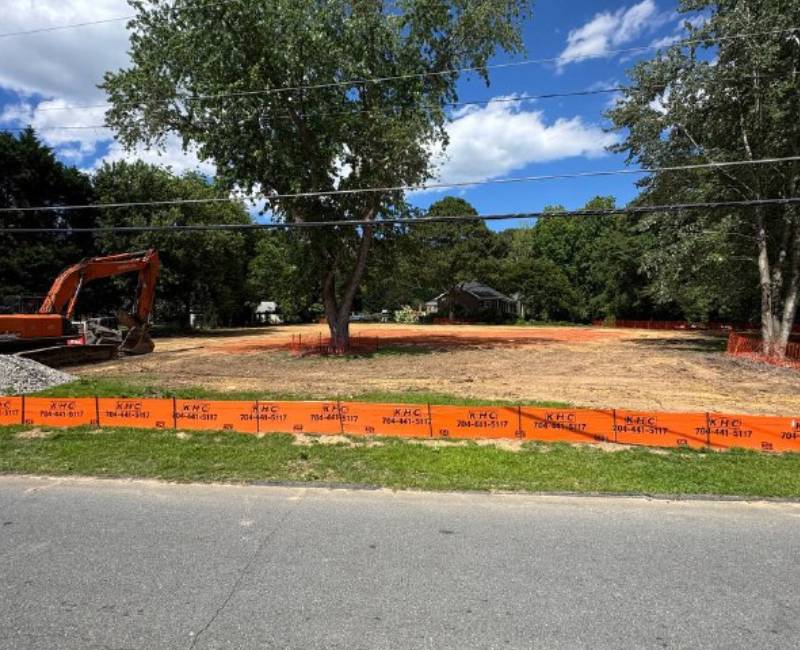
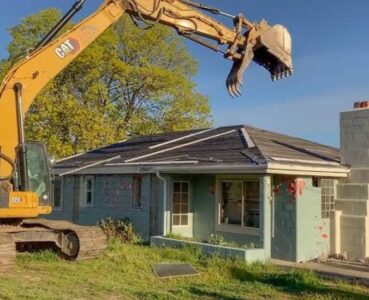
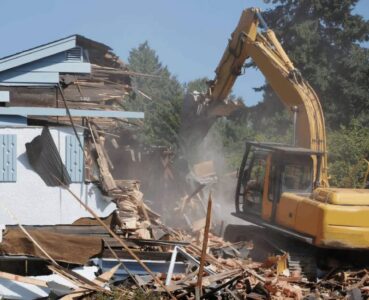
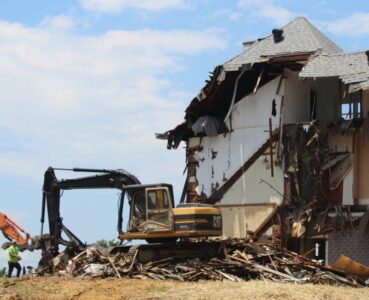
Demolition might look simple: knock it down, clear it up, build something new. But timing is where most projects get stuck. Imagine a developer eager to break ground on a new shopping complex, only to find their construction start date slipping by weeks due to permits dragging on, unpredictable weather stalling plans, and utility disconnections moving at a snail’s pace. This is a common scenario where inadequate planning turns into costly delays.
At Bright LLC, serving North Carolina and South Carolina, we know that perfect timing comes from careful planning, not luck. A well-planned house demolition schedule saves you stress, money, and time. Here’s how to get it right.
Quick answer: when to schedule demolition
If you’re planning new construction, schedule your demolition at least 6–8 weeks before building work begins.
That gives time for:
- Permits and inspections (2–4 weeks)
- Utility disconnections (2–3 weeks)
- Environmental testing or asbestos removal (1–3 weeks)
- Actual demolition and cleanup (1–2 weeks)
In North Carolina and South Carolina, the best months for demolition are spring (March to May) and fall (September to November). These seasons offer mild weather, faster permit approvals, and stable soil conditions.
Avoid peak summer (too hot, stormy) and late winter (occasional frost, heavy rains). Planning demolition early means your site will be ready right on time for new construction.
Step 1: start with the paperwork and reach your green-light milestone
Paperwork isn’t thrilling, but it’s the key milestone that signals progress in every legal demolition. Rather than viewing permits as bureaucratic hurdles, consider them as checkpoints that move your project closer to starting construction.
Typical timeline: 2–4 weeks (depending on the county). The best time to apply for a permit is late winter or early spring.
You’ll need:
|
Demolition Permit |
Local Building Department |
Legal authorization to demolish |
7–14 days |
|
Utility Disconnect Approvals |
Local utility providers |
Prevents safety hazards |
10–20 days |
|
Asbestos / Environmental Clearance |
State or county environmental agency |
Ensures safe removal of hazardous materials |
10–30 days |
|
Right-of-Way / Street Use Permits |
City or county office |
If your site impacts public roads |
5–10 days |
Permit offices are less crowded, inspectors are easier to book, and you can break ground before summer construction season kicks in.
Step 2: check the season before you swing the hammer
Weather sets the rhythm for safe demolition. In the Carolinas, seasons matter more than you might think.
The best seasons to plan house demolition are spring (March–May) and fall (September–November). Spring offers dry, mild, and predictable weather, making it ideal for both residential and commercial teardowns. Fall brings cooler temperatures and steady conditions, which help minimize weather-related delays and keep the project on schedule.
Avoid construction works:
- Late summer: hurricane season brings strong winds, humidity, and heavy rain.
- Mid-winter: frost and storms can slow grading and equipment movement.
The average risk of weather-related delays varies by season. In spring and fall, the risk is relatively low, typically under 10%, thanks to mild and stable conditions. In contrast, winter and summer can pose much higher risks, with delays affecting up to 40% of projects due to storms, frost, or extreme heat.
Step 3: coordinate demolition with your construction timeline
Demolition should not leave you waiting. To avoid downtime, schedule your demolition so site prep finishes about two to three weeks before new construction begins.
Timeline overview:
- Demolition permit + prep: 3–4 weeks
- Demolition + debris removal: 1–2 weeks
- Final inspection + grading: 3–5 days
Best practice
Book your builder or general contractor before demolition starts, so they’re ready to move in once the site is cleared. At Bright LLC, we coordinate schedules between demolition crews, inspectors, and your construction team. This helps you keep momentum and avoid paying for idle time.
Step 4: Utilities are often the slowest part of every project
Utility companies move on their own timelines. Disconnections often take longer than anyone expects, especially in rural or busy urban areas. Based on Bright LLC’s past projects, we’ve observed that utility disconnections experience delays about 30-50% of the time. Such delays usually extend project timelines by an additional 5-7 days. Providing this estimate allows for better planning and ensures steps are taken to mitigate potential setbacks.
Timeline: 3–4 weeks minimum. Best time to start: at least one month before demolition day.
Services to disconnect:
- Electricity
- Natural gas
- Water and sewer
- Internet/cable (if present)
Note, that in summer, when many construction projects are active, response times from utility companies can double.
Step 5: don’t skip environmental testing
Any building constructed before 1980 should be tested for asbestos, lead paint, or PCBs before demolition. Ignoring this step is illegal and dangerous.
Timeline: 1–3 weeks total. Schedule inspections at least a month before demolition. Labs and abatement crews get busy in late spring and summer.
Process:
- Inspection by licensed environmental assessor (2–5 days)
- Lab analysis and report (3–7 days)
- Abatement (if needed) (5–15 days depending on materials)
- Final clearance test (2–3 days)
Step 6: check what’s happening around you
Sometimes, delays are out of your control. They might be caused by the city or even a neighbor.
Things that can affect your start date:
- City events that restrict access (festivals, marathons, parades)
- School traffic and quiet hours in residential zones
- HOA rules limiting weekday work or equipment noise
- Local inspection office closures around holidays
Timeline impact: usually 3–7 extra days if not planned ahead. Start demolition early in the week (Monday–Wednesday). This gives flexibility if inspections or deliveries shift.
Step 7: build in a buffer (because life happens)
Even with careful planning, unexpected issues can still come up, such as a hidden gas line, bad weather, or a delayed inspector.
Recommended buffer: add 7–10 extra days between demolition completion and construction start. That buffer gives you room to handle small delays without pushing back your entire build.
Local expertise matters
Every county in North and South Carolina has its own quirks. Some inspectors prefer in-person visits; others demand digital documentation. Some issue demolition permits in three days, others in three weeks. At Bright LLC, we’re proud of our success in Mecklenburg County, where our in-depth understanding of local regulations allowed us to secure permits and complete a complex urban project ahead of schedule. It’s just one example of how our ‘inside-out’ knowledge delivers real results.
In Catawba County, we tackled a challenging rural project that involved working closely with local farmers to ensure minimal disruption during demolition. Our team navigated unique local ordinances and successfully coordinated with county officials to deliver the project on time.
Bright LLC knows the system inside and out: the people, the process, and the paperwork. Our local knowledge helps us keep projects on schedule and your plans on track.
Conclusion: start early, finish smooth
Timing your demolition right is half the battle.
To stay on track, plan your demolition 6–8 weeks before construction begins. Apply for permits early, book your environmental tests in advance, and schedule the actual teardown in spring or fall when weather and workloads are most favorable.
At Bright LLC, we make sure every step, from permits to cleanup, happens on time and without confusion. You get a cleared site, organized paperwork, and a smooth path to your next build. Contact Bright LLC and let’s plan your demolition the right way: safely, legally, and perfectly timed for what comes next.
Clear the way — call a professional
Need help with demolition, excavation, or land clearing? Don’t wait — our crew is ready 24/7 to take on your project safely and efficiently.
Related Pages
Related Services
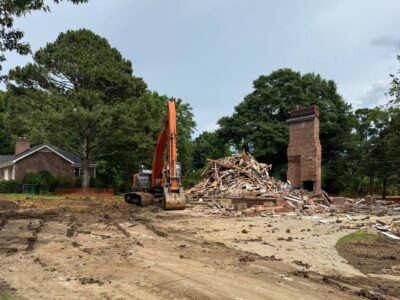
House demolition
Partial or structural demolition services
Debris removal
Get in touch today