
What to do with the land after a house is torn down
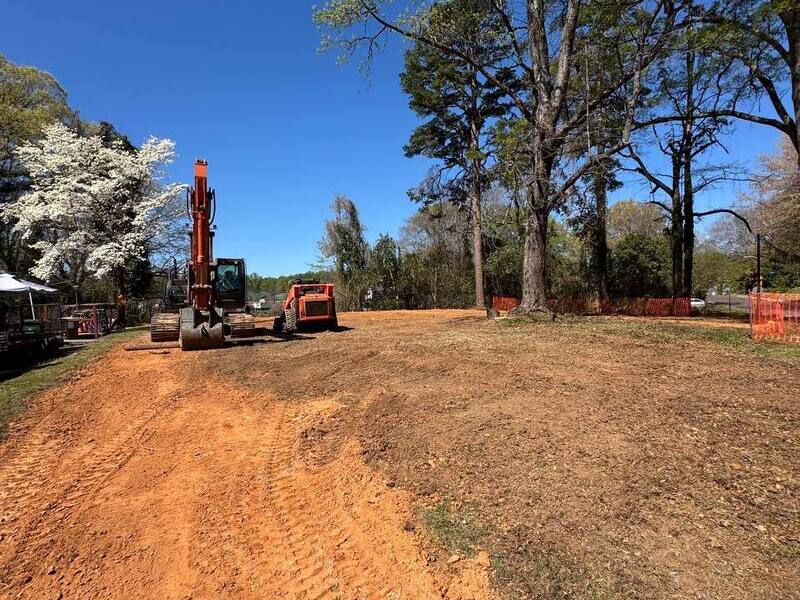
The demolition crew has packed up. The debris is gone. You’re standing on a cleared piece of land that probably looks a little raw right now — bare dirt, maybe a slab, maybe some gravel where a driveway used to be. And now the real question hits you: what do I actually do with this?
It’s a good problem to have. A cleared lot gives you options that an old, deteriorating structure never could. Whether you’re planning to build, sell, or simply put the land to better use, here’s how to think through your next steps.
Start with the slab — it shapes every decision after
Before you plan anything, you need to decide what to do with the existing concrete foundation. A lot of homeowners don’t think about this until after the structure comes down, but the slab choice affects everything else.
If you keep it, you have a ready base for a new structure, an outdoor living area, or extra parking. If you remove it, you open the land up completely for new construction, landscaping, or a fresh foundation in a different location.
Bright LLC can include concrete removal when slab removal is part of the demolition scope. If the site is in a full-service area, grading and leveling can also help prepare the ground for what comes next.
Option 1: build a new home on the cleared lot
This is the most common path for homeowners who demolished a structure that was too far gone to renovate. You’ve already got the land, the address, and the utilities stubbed out. Building new gives you exactly what you want without inheriting someone else’s layout or problems.
A few things to line up before construction starts:
- Have the lot surveyed to confirm property lines and setbacks
- Get a soil test — especially important in the Piedmont and Coastal Plain areas of the Carolinas, where soil composition varies significantly
- Check zoning to confirm what you’re allowed to build and how large
- Decide whether to use the existing utility connections or reroute them for a better layout
- Arrange for fill dirt or topsoil delivery if the demolition left low spots or soft areas
In full-service areas, Bright LLC can deliver fill dirt, topsoil, and gravel once the lot is cleared, so your builder has the material needed for the next stage.
Option 2: sell the cleared lot
A clean, demo’d lot is often easier to sell than one with a deteriorating structure on it. Builders, developers, and owner-builders all prefer a site they can assess clearly and start work on immediately without factoring in demo costs.
In fast-growing markets like Charlotte, Concord, and the surrounding Mecklenburg and Cabarrus County areas, cleared infill lots move quickly. If your land is in a neighborhood with strong demand, listing it post-demolition can reduce time on market and bring in more serious offers.
We’ve written more about the full strategy in our article on how to sell a property faster by demolishing the old structure first — worth a read if that’s the direction you’re heading.
Option 3: build an ADU or accessory structure
Accessory dwelling units — detached guest houses, in-law suites, or rental cottages — are in high demand across North Carolina and South Carolina right now. A cleared lot is a perfect canvas for adding one.
Charlotte and surrounding municipalities have been updating ADU regulations in recent years, and many lots that previously couldn’t support a secondary structure now can. Check with your local planning department on current setback and size requirements before you design anything.
Smaller accessory structures like workshops, studios, garages, and storage buildings are simpler to permit and can add real value to a property without the complexity of a full residential build.
Option 4: turn it into outdoor or garden space
Not every cleared lot needs a building on it right away. Sometimes the best use of the land, at least in the short term, is simply to give yourself more usable outdoor space.
Popular options we see homeowners choose across the Charlotte metro:
- Expanded lawn and landscaping to complement an existing home on an adjacent lot
- A vegetable or pollinator garden on what used to be a paved or built-up surface
- A patio, fire pit area, or outdoor entertaining space using the existing slab
- Parking space for an RV, boat, or extra vehicles
- A play area or sports court for the family
If this is the direction you’re heading, topsoil delivery and light grading may be enough to get started in full-service areas.
Comparing your options at a glance
| Option | Best for | Key first step | Typical timeline |
| Build new home | Long-term ownership, custom build | Soil test + zoning check | 6–18 months |
| Sell the lot | Quick return, investors/developers | Grading + listing | Weeks to a few months |
| Add an ADU | Rental income, multigenerational living | Zoning and permit review | 3–9 months |
| Outdoor/garden space | Immediate use, lower cost | Grading + topsoil delivery | Days to weeks |
| Hold and wait | Market timing, undecided | Basic grading to prevent erosion | Ongoing |
Don’t skip grading — it matters more than people think
One mistake we see fairly often is landowners skipping the grading step after demolition because it feels like an unnecessary extra. It isn’t. Raw, ungraded land after a demolition can develop drainage problems quickly, especially in areas prone to heavy rainfall like the Charlotte region. Water pools in low spots, erodes edges, and can even affect adjacent properties. In full-service areas, grading and leveling can help correct low spots and drainage issues before they become bigger problems.
A properly graded lot also photographs better if you’re selling, drains correctly if you’re building, and simply looks better if you’re using it as outdoor space. It’s one of those steps that costs relatively little and prevents a lot of headaches.
What about the old utility connections?
After a house comes down, utility connections such as water, sewer, gas, and electric should already be disconnected or capped by the proper utility provider before the site is reused. Most of the time, those connections can be reused when you build again, which saves money compared to installing new service from scratch.
Check with your local utility providers before you finalize any build plans. Some connections may need to be updated to current code even if they’re physically reusable. Having this information early helps your builder or developer plan accurately.
If the lot will sit vacant for an extended period, make sure all connections are properly capped and the site is secure. Your municipality may also have requirements around erosion control for vacant lots, particularly in areas near streams or wetlands.
Not sure what your lot needs? We can help you figure it out
We work with landowners in Charlotte, Concord, Rock Hill, Gastonia, Waxhaw, Fort Mill, and additional North and South Carolina service areas. In full-service areas, Bright LLC can help with grading, concrete removal, material delivery, and site preparation. In other service areas, the team focuses on house demolition, building demolition, and basement digging projects.
Call us at (704) 995-7731 or request a free quote online. There’s no pressure and no obligation — just a straight answer about what your land needs and what it’ll cost.