
The complete guide to removing construction debris
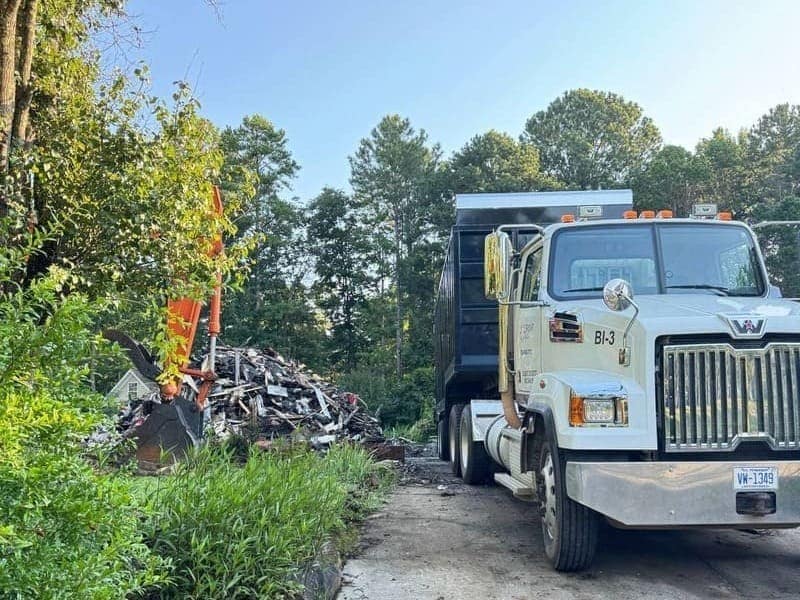
You’ve finally finished your construction project. The new addition looks great, the renovation turned out better than you imagined, or maybe you’ve just completed a full demolition. But now you’re standing there looking at piles of debris, scattered materials, and enough leftover junk to fill your neighbor’s driveway twice over.
Welcome to the part of construction nobody talks about until they’re standing in the middle of it: debris removal.
Here in Charlotte and throughout North and South Carolina, we see this situation all the time. Contractors finish their work, homeowners are excited about their new space, and then reality hits – someone’s got to haul all this stuff away. And it’s not as simple as calling for an extra-large trash pickup.
Let us walk you through everything you need to know about construction debris removal in our area. We’ll cover what counts as construction debris, how to handle it legally, what it costs, and how to make the whole process as painless as possible. By the end, you’ll know exactly what to do with that mountain of materials sitting in your yard.
What actually counts as construction debris?
Construction debris is basically anything left over from building, renovating, remodeling, or tearing down structures. It’s different from regular household trash, and that matters when it comes to disposal.
Common types of construction debris we haul
- Wood scraps, lumber, and framing materials
- Drywall and sheetrock pieces
- Concrete, brick, and masonry
- Metal scraps including rebar, pipes, and fixtures
- Roofing materials like shingles, tiles, and underlayment
- Flooring materials such as carpet, tile, and hardwood
- Insulation and building wrap
- Windows, doors, and cabinetry
- Siding and trim materials
- Packaging materials and miscellaneous job site waste
What doesn’t count? Hazardous materials like asbestos, lead paint chips, certain chemicals, and contaminated soil need special handling. You can see the full list of debris that we can and cannot remove in our latest article.
Why you can’t just throw it in your regular trash
You can’t just toss construction debris in your regular garbage bin and hope the city picks it up. There are actual regulations about this stuff in cities of North and South Carolina.
Most municipal trash services specifically exclude construction materials. Even if you could squeeze it all into your bins – your trash collector is legally allowed to refuse pickup. We’ve seen folks get cited for leaving construction debris at the curb, and those fines aren’t cheap.
Plus, there’s the environmental angle. Construction debris accounts for a huge portion of what ends up in landfills, and a lot of it can actually be recycled or repurposed. Concrete can be crushed and reused. Metal has value. Some wood can be reclaimed. Just dumping everything wastes resources and fills up landfills faster than necessary.
Understanding North Carolina debris disposal regulations
Let’s talk about the legal stuff without making your eyes glaze over. In North Carolina, construction debris disposal is regulated at both state and local levels.
The NC Department of Environmental Quality has rules about where construction debris can go. Not every landfill accepts it. Some materials must be separated for recycling. And if you’re a contractor or handling large amounts of debris, there are specific permits and reporting requirements.
Different cities in our area have their own additional rules too. What flies in Charlotte might not work in Concord. Some areas require permits for dumpster placement on streets. Others have noise restrictions on when debris can be loaded and hauled.
The bottom line? Following the rules matters. We’ve been doing this long enough to know all the local regulations like the back of our hands, which means our customers don’t have to worry about accidentally breaking rules they didn’t even know existed.
Your debris removal options: DIY vs professional services
You’ve basically got three ways to handle construction debris removal. Let’s break down each option honestly.
Option 1: Haul it yourself
This works if you’ve got a pickup truck, time on your hands, and just a small amount of debris. You’ll need to find a facility that accepts construction waste, pay their tipping fees, and make multiple trips because your truck definitely won’t hold everything in one load.
Reality check: most people underestimate how many trips this takes and how much the dump charges. Plus, there’s your time, gas money, and the risk of damaging your vehicle hauling heavy loads.
Option 2: Rent a dumpster
For medium to large projects, dumpster rental is popular. You get a big metal box dropped in your driveway, fill it up over several days or weeks, and then they haul it away.
The catch? You’re paying whether you fill it completely or not. You need space for it. You might need a permit. And you’re doing all the loading yourself, which means heavy lifting and safety concerns.
Option 3: Hire a professional debris removal company
This is where companies like Bright LLC come in. We show up with the right equipment and crew, load everything, haul it away, and dispose of it properly. You point, we work, debris disappears.
Cost-wise, professional removal often ends up comparable to or cheaper than doing it yourself when you factor in your time, multiple dump runs, rental fees, and potential permit costs. Plus, no heavy lifting for you.
How much debris removal actually costs?
Let’s talk money, because that’s usually the first question we get when someone calls us at 704-995-7731.
Construction debris removal costs depend on several factors:
- Volume matters most. We’re talking about how much space your debris takes up, not necessarily how heavy it is. A truckload costs less than multiple truckloads. Pretty straightforward.
- Type of material affects price. Concrete and masonry cost more to dispose of than wood or drywall because of tipping fees at the facilities that accept them. Mixed debris usually falls somewhere in the middle.
- Location plays a role. If we’re hauling from downtown Charlotte versus a rural property in Cabarrus County, access and travel time factor into the equation.
- Labor requirements count too. Debris that’s neatly stacked and ready to load costs less than materials scattered across two acres that we need to gather first.
For most residential projects in our service area, you’re typically looking at a few hundred to a couple thousand dollars depending on the factors above. Commercial projects or large demolitions obviously run higher.
Want a real number for your specific situation? Call us. We’ll ask you some questions, might swing by to take a look, and give you an honest estimate. No pressure, no games.
How the debris removal process actually works
When you hire Bright LLC for construction debris removal, here’s what happens from start to finish.
- Step 1: You call us at 704-995-7731 and describe what you’ve got. We ask questions about the type and amount of debris, where it’s located, and any access issues we should know about.
- Step 2: We provide an estimate. For straightforward jobs, we can often quote you over the phone. For larger or more complex situations, we’ll schedule a quick site visit to see everything in person.
- Step 3: We schedule the work. Usually we can get to you within a few days, sometimes sooner if it’s urgent. We’ll arrive with the right equipment and crew size for your job.
- Step 4: We load and haul. Our crew does all the heavy lifting, loads everything onto our trucks, and cleans up the area. You’re welcome to point out specific items or areas, but mostly you can just let us work.
- Step 5: We dispose of everything properly. We take materials to the appropriate facilities – recycling what can be recycled, disposing of the rest legally and responsibly.
- Step 6: You’ve got a clean site. No debris, no mess, no worries. You can move forward with whatever comes next.
Special considerations for different debris types
Not all construction debris is created equal. Some materials need special handling.
- Concrete and masonry: Heavy, bulky, and actually valuable for recycling. Crushed concrete gets reused in road base and new construction. We separate this when possible to reduce landfill waste.
- Wood and lumber: Can often be recycled or repurposed. Clean lumber might go to recycling facilities. Treated wood needs different handling because of the chemicals used in treatment.
- Metal: Has actual scrap value. Rebar, copper piping, aluminum siding – we separate metal whenever practical because it can be recycled and sometimes even offset removal costs.
- Drywall: Needs special attention because it shouldn’t just go to any landfill. Some facilities recycle gypsum from drywall for use in agriculture and manufacturing.
- Roofing materials: Asphalt shingles are heavy and take up space, but some facilities now recycle them into road paving materials.
- Hazardous materials: Asbestos, lead paint, certain chemicals – these require certified handling and disposal. If you’ve got these, let us know upfront so we can arrange proper procedures.
Recycling and environmental responsibility
Here’s something we care about at Bright LLC: doing right by our community and environment. That is why we send debris for recycling after removing it.
When we remove construction debris, we’re not just dumping everything in the cheapest landfill and calling it done. We separate materials when practical, direct recyclables to the right facilities, and try to minimize unnecessary waste.
Is it easier to just throw everything in one pile? Sure. But that’s not how we operate. Charlotte and the surrounding areas are growing fast – just look around at all the new development in Concord, the expansion in Gastonia, the growth throughout Cabarrus County. We want to make sure we’re building responsibly.
Recycling construction debris reduces landfill waste, conserves natural resources, and often costs less than straight disposal anyway. It’s a win all around.
Common debris removal mistakes to avoid
We’ve been doing this long enough to see people make the same mistakes repeatedly. Learn from others’ experiences:
- Mistake 1: Waiting until the end. Plan for debris removal before your project starts. Knowing how you’ll handle it prevents job site accidents and keeps everything organized.
- Mistake 2: Mixing hazardous materials. Keep things like asbestos separate. Mixing it with regular debris creates expensive problems down the line.
- Mistake 3: Underestimating volume. That pile looks smaller than it is. Trust us on this. People consistently think they have less debris than they actually do.
- Mistake 4: Blocking access. If our trucks can’t reach your debris easily, it takes longer and costs more. Think about access when planning where to stage materials.
- Mistake 5: Not checking permits. Some cities require permits for dumpsters or debris piles on streets or in certain locations. Check first, avoid fines later.
When to schedule debris removal during your project
Timing matters. For smaller projects, waiting until everything’s done makes sense. For larger jobs, you might want debris removed in phases.
Consider scheduling removal:
- After major demolition work to clear the site for new construction
- When debris is starting to create safety hazards or slow down work
- Before final inspections when you need the site looking clean
- Immediately after project completion so you can enjoy your new space
For ongoing construction projects, regular debris removal keeps job sites safe and organized. Nothing slows down work like having to navigate piles of scrap materials just to get to where you need to be.
Why local matters for debris removal?
When you’re looking for debris removal in Charlotte and the surrounding areas, working with a local company makes a real difference.
We know the local disposal facilities and which ones take what materials. We understand permitting requirements in different municipalities. We can respond quickly because we’re based right here in Midland. And we care about our reputation in the community we live in.
When something goes wrong – and occasionally things do – you can actually reach us. You’re not trying to get through to some corporate office three states away. You call 704-995-7731 and you get real people who answer real questions.
Ready to clear away that construction debris?
Whether you’re a homeowner who just finished a DIY renovation, a contractor wrapping up a job, or a business dealing with the aftermath of remodeling, we’ve got you covered.
At Bright LLC, we handle construction debris removal throughout Charlotte, Concord, Gastonia, Rock Hill, and all of Cabarrus County. We bring the right equipment, do the heavy lifting, dispose of everything properly, and leave your site clean.
Give us a call at 704-995-7731. Tell us what you’ve got, and we’ll give you a straight answer about what it’ll take to haul it away. No runaround, no surprise fees, just honest service from neighbors you can count on.
Because construction projects are satisfying enough. Dealing with the leftover debris shouldn’t add stress to something you should be proud of.
Let’s get that debris cleared so you can actually enjoy what you’ve built.
Clear the way — call a professional
Bright LLC proudly serves North and South Carolina with expert debris removal, demolition, land clearing, and material delivery services. Licensed, insured, and committed to doing things right. Call us today at 704-995-7731.
Related Services
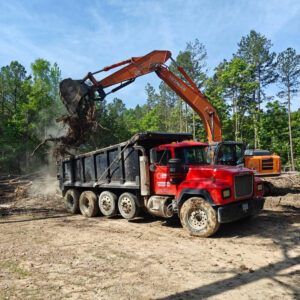
Debris removal
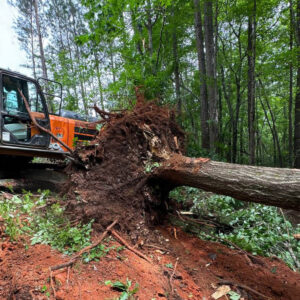
Concrete removal service
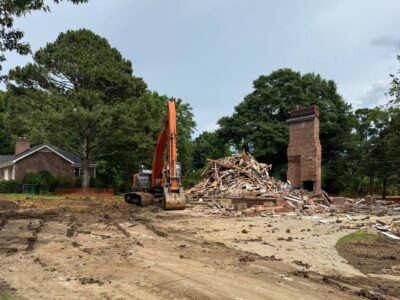
House demolition
Get in touch today