Full vs Partial Pool Removal: Cost, Backfill and Future Use of the Yard
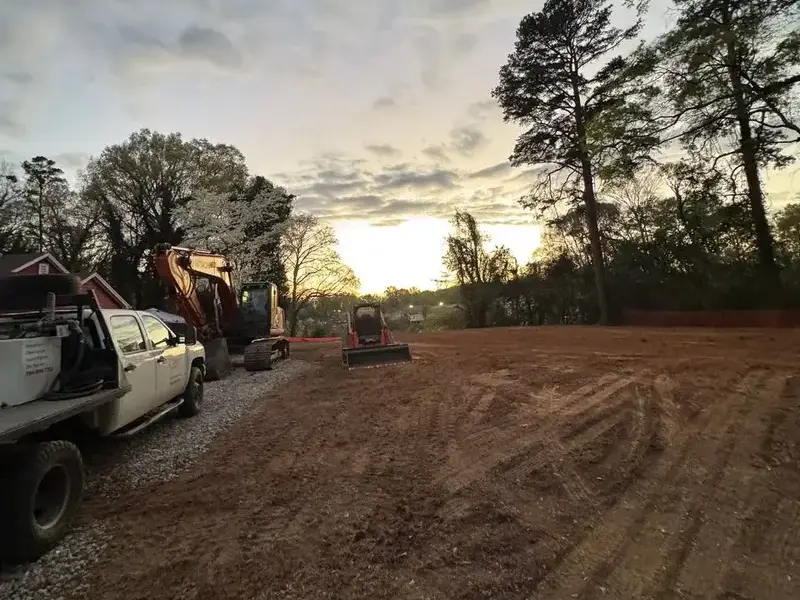
An old inground pool you no longer use is a liability: it costs money to maintain, it worries insurers, and it eats a chunk of the yard. Removing it sounds simple until you learn there are two very different ways to do it, and the one you pick changes the price, how the yard drains, and even what you can build there later. This guide compares full vs partial pool removal, lays out real cost ranges, explains how the backfill works, and covers what buyers and inspectors look for afterward so you can choose with your eyes open.
Key takeaways
- There are two methods. Full removal takes the entire shell out. Partial removal, also called break-and-bury, demolishes the top, punches drainage holes in the bottom, and buries the rest.
- Pool removal cost runs about $5,000 to $20,000. Partial sits at the lower end, full removal at the higher end.
- Partial is cheaper but limits the yard. The spot usually cannot hold a permanent structure, may settle, and must be disclosed when you sell.
- Full removal frees the land. It costs more, but the site drains well, can be built on, and raises fewer resale questions.
- Backfill and compaction decide everything. Clean fill, compacted in layers, is what keeps the yard from sinking later.
Full vs partial pool removal: what is the difference?
The two methods sound similar but leave you with very different yards.
Partial pool removal (break-and-bury) is the faster, cheaper option. The crew drains the pool, breaks the top 18 to 36 inches of the shell off, drills or punches holes in the bottom so water can drain through, breaks the walls into the hole, then backfills over the rubble and tops it with soil. Part of the old pool stays buried in your yard.
Full pool removal takes everything out. The entire shell, walls, floor, and concrete are demolished and hauled away, and the hole is filled from the bottom with clean fill compacted in layers. Nothing of the pool remains.
That single choice drives the cost, the drainage, and what you can do with the space later.
Partial removal buries part of the pool and hopes it drains. Full removal takes it all out and gives you back buildable land. Price follows that difference.
Inground pool removal cost: full vs partial
Across North Carolina and South Carolina, pool removal cost generally falls between $5,000 and $20,000, matching our house demolition pricing. Where you land depends mostly on the method, the pool’s size and material, and how easily equipment can reach the backyard.
| Method | Typical pool demolition cost | What you get |
|---|---|---|
| Partial removal (break-and-bury) | $5,000 – $12,000 | Faster, cheaper, part of shell stays buried |
| Full removal | $10,000 – $20,000+ | Entire shell gone, buildable, best drainage |
The main factors that move pool demolition cost up or down:
- Method. Full removal costs more because there is more to demolish, haul, and backfill.
- Pool size and material. Concrete and gunite pools cost more to break up than fiberglass or vinyl.
- Access. A backyard a machine can reach is cheaper than one requiring hand work or fence removal.
- Backfill volume. More fill dirt and more compaction mean more cost, especially on full removals.
- Haul-off. Removing the whole shell means trucking out concrete and debris.
Breaking up and hauling the concrete shell is its own line of work; our concrete removal service covers that part of the job.
How backfill works when you fill in a pool
The part you cannot see is what determines whether the yard holds up. When you fill in a pool, the space has to be filled and compacted correctly, or it sinks over the next few seasons.
A proper backfill runs bottom-up: clean fill placed in layers, each one compacted before the next, rather than one loose dump of dirt. The top is finished with topsoil so grass will grow. On a partial removal, the buried rubble has to allow drainage, which is why the holes in the bottom of the shell matter. On a full removal, the entire void is clean, compacted fill.
Getting the fill right is not optional. The wrong material or skipped compaction is exactly what creates the sunken, soggy patch that shows up a year later. We supply the backfill through fill dirt delivery and finish the surface with proper grading and leveling so water drains away from the house, not toward it.
The pool comes out in a day. Whether the yard stays level for years is decided by the fill and the compaction, not the demolition.
Future use of the yard after pool removal
This is where the two methods really separate, and it is what buyers and inspectors care about most.
After a partial removal, the spot is generally not considered buildable. Because part of the shell is buried and the ground can settle, you cannot safely put a permanent structure, an addition, or sometimes even a large patio over it. It is fine for lawn or light landscaping. You also have to disclose the buried pool when you sell, and some buyers treat it as a mark against the property.
After a full removal, the land is restored to clean, compacted fill, so it drains well and can usually support new construction, a garage, an addition, or a patio. There is no buried structure to disclose and far less for an inspector to flag. For resale and future flexibility, full removal is the stronger option.
If building on the reclaimed space is anywhere in your plans, full removal is almost always worth the extra cost.
Do you need a pool removal permit?
In most NC and SC jurisdictions, yes, a pool removal permit is required before work begins, and the method matters. Some cities and counties restrict or discourage partial removal specifically because of the long-term settling and drainage concerns, so what is allowed on your street may decide the question for you.
Requirements vary by local building department, so confirm the current rules and whether partial removal is permitted in your area before you commit. A licensed contractor typically pulls the permit and handles the inspection as part of the job.
Which pool removal method should you choose?
Use this quick decision guide.
| If you… | Choose |
|---|---|
| Want the lowest cost and will keep the spot as lawn | Partial removal |
| Plan to build, add a structure, or sell soon | Full removal |
| Are worried about future settling or drainage | Full removal |
| Need it done fast and cheap, with disclosure understood | Partial removal |
| Want the cleanest resale with no buried structure | Full removal |
There is no single right answer. Partial removal makes sense when budget is tight and the yard will stay open. Full removal makes sense when you value the land, plan to build, or want a clean slate for resale.
Frequently asked questions
How much does it cost to remove an inground pool?
Inground pool removal cost generally runs $5,000 to $20,000 in NC and SC. Partial removal (break-and-bury) sits at the lower end, around $5,000 to $12,000, while full removal runs about $10,000 to $20,000 or more. Pool size, material, access, and backfill volume all affect the price.
What is the difference between full and partial pool removal?
Full removal demolishes and hauls away the entire pool shell, then backfills with clean, compacted fill. Partial removal breaks off the top of the shell, punches drainage holes in the bottom, breaks the walls into the hole, and buries the rest. Full removal costs more but leaves buildable land; partial is cheaper but limits future use.
Can I build on the yard after filling in a pool?
After a full removal, usually yes, since the site is clean, compacted fill. After a partial removal, generally no permanent structures, because part of the shell is buried and the ground can settle. If you plan to build, choose full removal.
Do I have to disclose a filled-in pool when I sell?
Yes. A partially removed (buried) pool must be disclosed to buyers, and it can affect value and financing. A full removal leaves no buried structure to disclose, which is one reason it is preferred before a sale.
Do I need a permit to remove a pool?
In most areas, yes. A pool removal permit is typically required, and some jurisdictions restrict partial removal. Confirm the rules with your local building department, since what is allowed may decide which method you can use.
Will the yard sink after the pool is filled in?
Only if the backfill is done poorly. Settling happens when fill is dumped loose or not compacted in layers. Done right, with clean fill compacted in lifts and proper grading on top, the yard stays level. This is the single most important part of the job.
Service areas
Bright LLC handles pool removal, demolition, backfill, and grading across the Charlotte metro and surrounding Carolinas, including Charlotte, Concord, Rock Hill, Gastonia, Monroe, Mooresville, Statesville, Davidson, Fort Mill, Huntersville, Indian Trail, Mint Hill, Midland, Matthews, and Indian Land.
In Charlotte and Concord, pool removal is a growing request as aging backyard pools from the 1980s and 1990s reach the end of their life. Many owners want the maintenance and liability gone and the yard back, whether to rebuild, expand, or simply reclaim the space. We assess the pool, the access, and your plans for the yard on site, then recommend full or partial removal and handle the demolition, backfill, and grading from start to finish.
Conclusion
Choosing between full and partial pool removal comes down to what you want from the yard afterward. Partial removal is the budget option, faster and cheaper, but it buries part of the pool, limits what you can build, and follows you to the closing table. Full removal costs more up front, yet it gives you clean, buildable, well-draining land with nothing to disclose. Decide based on your plans for the space, not just the sticker price, and make sure whoever does the work gets the backfill and compaction right.
Thinking about removing a pool? Get a pool removal estimate from Bright LLC, and we will walk you through the full-versus-partial decision for your yard.
Sources