
Garage demolition: when to remove it vs convert it
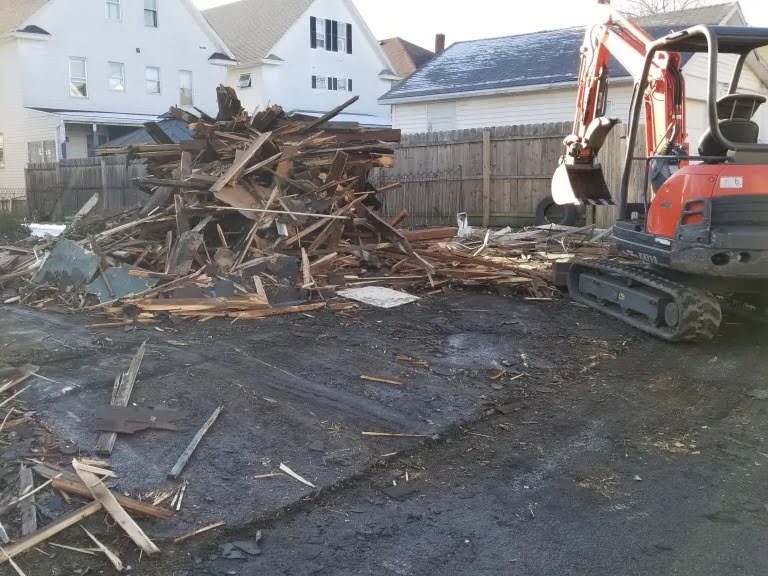
Your garage has been there since you moved in. Maybe it leans a little. Maybe it holds everything except a car. Or maybe you’re looking at that overgrown slab out back and wondering whether you should tear the whole thing down or finally make something useful out of it. It’s a question we hear a lot from homeowners across Charlotte, Concord, and the surrounding areas, and the answer depends on a few things worth thinking through carefully.
This guide walks you through the key factors so you can make a confident decision — and know when it’s time to call in a professional demolition crew.
First, assess what you’re actually working with
Not all garages are created equal. Before you commit to any plan, take a good look at the structure, inside and out. Here’s what to check:
- Foundation condition: cracks, shifting, or heaving concrete signal deeper problems
- Roof and framing: sagging rafters or rotting wood are expensive to repair
- Wall alignment: walls that bow outward or lean indicate structural failure
- Pest damage: termites or wood rot can compromise the entire frame
- Size and layout: a 10×12 shed-style garage rarely converts well into livable space
If the structure checks out on most of those points, conversion is worth exploring. If two or more are serious problems, demolition is usually the smarter and cheaper long-term move.
When garage demolition makes the most sense
Sometimes removing the structure entirely is the right call. Here are the situations where demolition wins:
- The garage is structurally unsound and repair costs exceed the value of the space
- You want to expand your yard, add a pool, or create a new driveway
- The footprint is in the wrong spot for your new construction plans
- You’re selling the property and need to clear the lot for buyers or developers
- Storm damage, fire damage, or flooding has made the structure unsafe
We handle garage and structure demolition across the Charlotte metro area, and we take care of everything from permits to cleanup. If the old structure needs to go, we make the process fast and stress-free.
Demolition also frees up your budget. Rehabilitating a failing garage often costs more than people expect once you start opening walls and finding problems. Tearing it down and starting fresh gives you a clean slate.
When converting your garage is worth it
Garage conversions work well when the bones are solid. A good conversion candidate usually has a level concrete floor in decent condition, a roof that isn’t failing, walls that are square and plumb, and enough square footage to serve your intended purpose (typically at least 200 square feet).
Popular garage conversions in the Carolinas right now include home offices, short-term rental units (ADUs), workshops, gyms, and guest suites. Local zoning rules in Mecklenburg County and surrounding areas do require permits for conversions that add livable square footage, so check with your municipality before you start.
Remove vs convert: a quick comparison
| Factor | Demolish | Convert |
| Structural condition | Poor or failing | Good or repairable |
| Typical cost | $3,000–$10,000+ | $10,000–$50,000+ |
| Timeline | 1–3 days | Weeks to months |
| Permit required? | Yes (demolition permit) | Yes (building permit) |
| Best for | Clearing land, new build, damaged structure | Adding living space, rental income |
| Resale impact | Clears lot for buyers | Adds square footage value |
What the garage demolition process looks like
If you decide demolition is the right path, here’s a general idea of what to expect:
- Permit planning: Bright LLC can help with demolition permit paperwork, or the homeowner can file it directly with the local municipality
- Utility check: electrical, water, and gas lines connected to the garage must be disconnected before demolition begins. Bright LLC can help coordinate utility locating and confirm the site is ready for safe work
- Teardown: the structure comes down using hand tools or equipment depending on the size and proximity to your home
- Debris removal: all materials are hauled away and recycled where possible
- Slab decision: you choose whether to keep the existing concrete slab or have it removed too
Most garage demolitions in Charlotte take one to two days. You can read more about the full process in our article on what to expect during a residential demolition project.
Don’t forget about the concrete slab
Once the structure is gone, you’ll need to decide what to do with the slab. This is something homeowners often overlook until the crew is already on site. Your options:
- Keep it: a clean, level slab can serve as a patio, a base for a new structure, or extra parking.
- Remove it: if you want to replant the area, expand the lawn, or prepare for construction, concrete removal is the way to go. Bright LLC offers concrete removal and debris haul-off when slab removal is part of the project scope.
After the slab is dealt with, you may also want to look at grading and leveling the area to make it ready for whatever comes next.
How much does garage demolition cost in North Carolina?
Cost varies based on garage size, materials, and whether you’re removing the slab. A detached single-car garage in the Charlotte or Concord area typically runs between $3,000 and $6,000 for a basic teardown and cleanup. Larger two-car garages, structures with asbestos materials, or jobs requiring concrete removal will cost more.
The best way to get an accurate number is a quick on-site quote. We come out, look at the structure, and give you a clear price with no surprises.
Ready to figure out your next step?
Whether you’re leaning toward demo or still weighing your options, we’re happy to take a look and give you an honest recommendation. We serve homeowners across Charlotte, Concord, Gastonia, Waxhaw, Fort Mill, Rock Hill, and additional North and South Carolina service areas for house demolition, building demolition, and basement digging projects.
Give us a call at (704) 995-7731 or request a free quote online. We’ll come out, take a look, and tell you exactly what we’d recommend — with no pressure and no obligation.