
How storm damage affects your demolition timeline
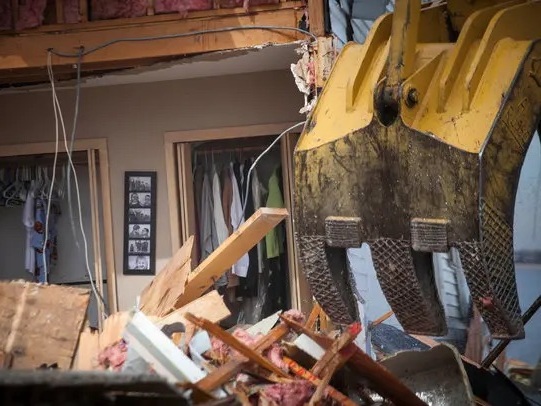
When a severe storm hits a neighborhood, the damage rarely ends with fallen branches and broken fences. High winds, heavy rain, hail, or flooding can seriously affect the condition of a home or building, sometimes to the point where demolition becomes the safest option. In situations like these, homeowners often want the process to move quickly so rebuilding can begin. However, storm damage introduces several factors that can change a demolition timeline in ways many people do not expect.
Understanding what happens behind the scenes helps make the process less stressful. A professional contractor such as Bright LLC approaches house demolition after the storm with careful planning, clear communication, and attention to safety at every step.
Why storm damage complicates demolition
Storm damage creates unpredictable structural conditions. A building that may look stable from the outside can actually be weakened internally by water infiltration, shifting foundations, or compromised framing. Before demolition begins, professionals must evaluate these hidden risks.
In many cases, storm damage also scatters debris across the property. Trees, roofing materials, insulation, and even nearby structures can create obstacles that must be removed before heavy equipment can safely operate.
Typical issues that appear after storms include:
- partially collapsed roofs or walls that require stabilization before demolition
- water-soaked materials that add weight and make structures unstable
- electrical or gas line hazards caused by storm impact
- scattered debris that blocks equipment access
- nearby structures damaged by falling trees or flying debris
Because of these complications, demolition after a storm often requires additional inspections and preparation compared to a standard teardown.
Key factors that influence the demolition timeline after storm
Every demolition project has a general schedule, but storm damage introduces variables that can extend or shift that timeline. Several major factors determine how quickly demolition can begin and finish.
Safety inspections and structural assessments
Before any machinery arrives, the structure must be evaluated. Storm damage can weaken support beams, foundations, and load-bearing walls. Engineers or demolition specialists may need to inspect the property to determine the safest approach.
This step is essential because unstable buildings can collapse unexpectedly during demolition. The Bright LLC prioritizes these inspections to protect workers, nearby homes, and property owners.
Insurance documentation
Storm damage usually involves insurance claims. Insurance companies often require detailed documentation of the damage before demolition begins. This process can include:
- photographs of structural damage
- written assessments from contractors
- estimates for demolition and debris removal
- documentation of hazardous materials if present
Until this documentation is completed, demolition may need to wait. Clear coordination between contractors and insurance providers helps keep the project moving forward.
Local permits and municipal approvals
Cities frequently require special permits for demolition projects, especially after natural disasters. Local authorities may inspect damaged structures to determine whether demolition or repair is appropriate.
Homeowners can learn more about the demolition process and requirements through our house demolition guide, which explains how projects are prepared and managed from start to finish.
Permit approval times can vary depending on:
- local government workload after a storm
- environmental or historic property considerations
- utility disconnection verification
In areas hit by widespread storms, permit processing may take longer simply because many properties are affected at the same time.
Typical demolition timeline with storm damage
While every project is different, storm-damaged demolition often follows a general sequence of steps. The timeline below illustrates how these phases typically unfold.
| Phase | What happens | Estimated time impact |
| Initial inspection | Structural evaluation and safety review | 1–3 days |
| Insurance documentation | Damage assessment and claim coordination | 3–10 days |
| Permit approval | City permits and utility disconnections | 3–14 days |
| Site preparation | Debris clearing and access preparation | 1–4 days |
| Demolition work | Mechanical demolition of structure | 1–3 days |
| Final cleanup | Debris hauling and site grading | 1–3 days |
Large storms that affect many homes at once can extend these timelines due to contractor demand and local permit backlogs.
Debris removal often adds extra time
After storms, demolition crews frequently face large amounts of debris before demolition even begins. Fallen trees, roofing fragments, and damaged fencing can slow equipment access.
This preparation stage may include:
- removing fallen trees or large branches
- clearing roofing materials scattered across the yard
- stabilizing nearby structures
- creating safe access paths for excavators and trucks
Proper debris management helps avoid delays later in the project. The Bright LLC team focuses on preparing the site thoroughly so demolition equipment can work efficiently and safely.
Environmental considerations
Storm damage can expose materials that require special handling during demolition. For example, older homes may contain asbestos insulation or lead-based paint. When structural damage occurs, these materials may become exposed or spread throughout the building.
Environmental regulations may require:
- hazardous material testing
- specialized removal procedures
- sealed containment areas
- certified disposal methods
Although these steps add time to the project, they are essential for protecting workers and the surrounding community.
Weather conditions after the storm
It may sound ironic, but weather after a storm can also influence the demolition timeline. Heavy rainfall, flooding, or saturated soil can make it unsafe for heavy equipment to operate immediately.
Wet ground may cause machinery to sink or become unstable. Contractors may wait several days for conditions to improve before starting work. This prevents accidents and protects surrounding property.
How a structured demolition plan helps keep projects on track
When a home or structure has been damaged by severe weather, having a clear demolition plan makes a significant difference. Experienced contractors plan around common storm-related challenges before demolition begins.
The process often includes:
- early coordination with insurance providers
- scheduling structural assessments quickly
- preparing permit documentation in advance
- organizing debris removal teams before demolition day
This kind of planning helps minimize delays and gives homeowners a clearer idea of what to expect.
A community-focused approach to storm recovery
Storm damage can be overwhelming, especially when a home or building must be removed entirely. In neighborhoods where severe weather has caused widespread destruction, professional demolition becomes an important step toward recovery and rebuilding.
We focus on more than simply tearing structures down. The approach emphasizes communication, responsible debris management, and careful planning so homeowners always understand what is happening at each stage of the project.
With the right preparation and experienced guidance, even storm-damaged demolition can move forward smoothly, allowing the property to be cleared safely and ready for the next chapter of rebuilding.