
What happens to debris after removal?
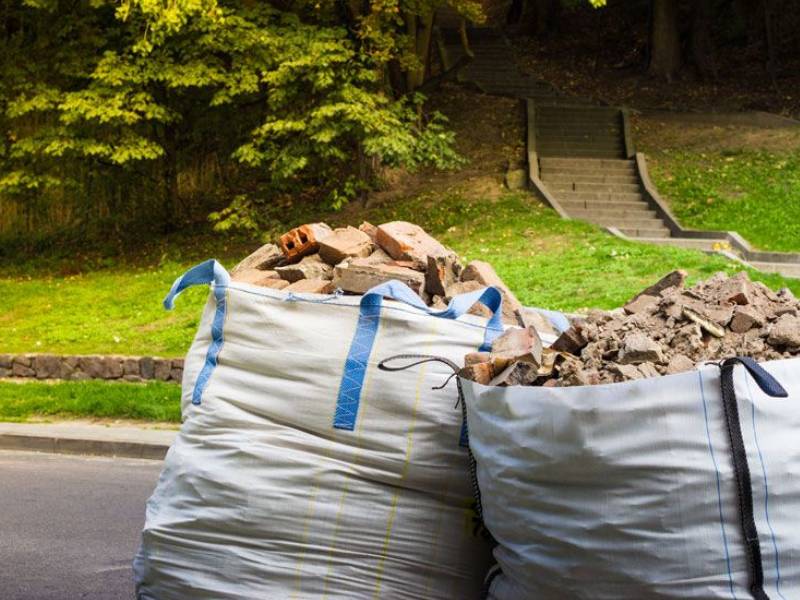
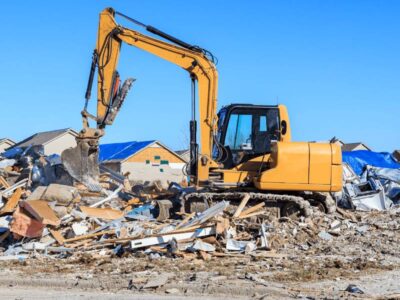
Most homeowners see debris removal as the final step: the truck pulls away, the site looks clean, and the job feels done. But what happens next is more complex (and more important) than many people realize. After debris leaves your property, it goes through a detailed process that determines how much gets recycled, how much enters landfills, and how much becomes usable material again.
At Bright LLC, debris removal is a daily part of our work across North Carolina and South Carolina. We believe that understanding what happens after cleanup helps homeowners make smarter choices, reduce environmental impact, and stay compliant with local rules. This article explains where debris goes, how it’s processed, and why responsible handling matters more than ever.
Why debris handling matters
Debris does not disappear when it leaves your property. If it’s handled carelessly, it can create environmental hazards, increase landfill waste, or cause violations under local and federal laws. On the other hand, responsible debris processing can:
- Lower disposal costs
- Reduce landfill impact
- Improve recycling rates
- Protect soil and water quality
- Prevent legal issues
- Support sustainable construction practices
When you understand the lifecycle of debris, it becomes easier to choose the right removal contractor and plan your project with confidence. Proper handling also reflects modern expectations: cleaner sites, safer communities, and smarter resource use.
Step 1: sorting and separating materials
Once debris arrives at a disposal site or recycling center, the first step is sorting. Mixed debris is inefficient, expensive, and sometimes illegal to leave unseparated. Separation makes it possible to recycle more materials and dispose of hazardous waste properly.
Sorting typically includes:
- Wood
- Concrete and masonry
- Metal scraps
- Cardboard and packaging
- Soil and organic material
- Asphalt
- Hazardous debris (painted materials, chemicals, mold, etc.)
For some jobs, we begin the sorting process right on-site. When we separate materials early, the debris travels more efficiently, recycling becomes easier, and you avoid unnecessary disposal fees.
Step 2: recycling and recovery
A large portion of construction and demolition debris can be recycled — more than most homeowners expect. Many disposal facilities now specialize in recovering usable material because recycling lowers disposal costs and supports local industries.
Common materials and where they go
Here’s a table that shows how different debris types are processed once removed from a site:
|
Material |
What happens next |
Typical end use |
|
Wood |
Ground into mulch or biomass fuel |
Landscaping, compost blends, power generation |
|
Concrete |
Crushed and screened |
Road base, gravel substitute, fill material |
|
Metals |
Melted down at scrap facilities |
New steel, aluminum, copper products |
|
Asphalt |
Reclaimed and reheated |
New asphalt mix, paving projects |
|
Soil |
Screened and reused |
Grading, landscaping, fill for construction |
|
Cardboard/plastics |
Baled at recycling centers |
Packaging and manufacturing |
|
Brick/masonry |
Cleaned and reused or crushed |
Decorative stone, base layers |
|
Yard debris |
Chipped or composted |
Soil amendments, mulch |
|
Hazardous materials |
Isolated and treated |
Safe disposal at licensed facilities |
Recycling is not just a green effort — it’s cost-effective. Recyclable materials often have lower disposal fees because they generate value instead of requiring expensive landfill space. In some cases, metal recycling can even offset project costs.
Step 3: transporting waste to the correct facility
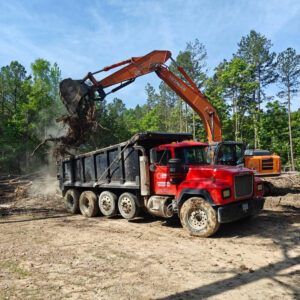
Debris does not go to a single generic landfill. Each type of waste has its own destination, governed by local regulations. For example:
- Concrete often goes to crushing sites
- Soil goes to clean-fill locations
- Metal goes to scrap yards
- Asphalt is taken to asphalt reclaiming centers
- Untreated wood goes to mulch or biomass facilities
- Hazardous waste is taken to licensed disposal sites
The sorting and routing process ensures that materials are reused whenever possible and disposed of safely when they cannot be recycled.
Why proper routing matters
Sending debris to the wrong facility can cause:
- Fines for the contractor
- Delays in your project
- Contamination of landfill areas
- Environmental hazards
This is why Bright LLC uses licensed haulers and verified facilities — a misrouted load can lead to expensive problems for everyone involved.
Step 4: handling hazardous debris
Hazardous materials require specialized handling from start to finish. These materials cannot be mixed with regular debris because they may contain toxins, chemicals, or contaminants that create legal and environmental risks. Common hazardous debris includes:
- Lead-painted wood
- Asbestos-containing materials
- Molded drywall
- Chemicals or solvents
- Treated lumber
- Old insulation
- Contaminated soil
Hazardous debris is usually:
- Separated before transport
- Wrapped, sealed, or containerized
- Documented with disposal paperwork
- Taken to a licensed processing facility
We always follow state and federal guidelines for hazardous material disposal, including OSHA, EPA, and local environmental rules. This protects your property, our crew, and the surrounding community.
Step 5: landfill disposal (for materials that cannot be reused)
Some debris cannot be recycled. When this happens, the material goes to a municipal landfill or construction and demolition landfill (C&D landfill). These sites are designed to handle waste that doesn’t have a second life.
Even at landfills, debris follows a specific process:
- Loads are inspected
- Non-compliant materials are rejected or redirected
- Debris is compacted
- Soil is added to cover and stabilize the area
Landfills are the final step for many materials, but they are not the first choice — recycling is always prioritized when possible.
Step 6: how debris recycling benefits homeowners
Many homeowners don’t realize that proper debris cleanup can bring financial benefits. Responsible handling leads to:
Lower disposal fees
Recyclable debris often costs significantly less to dispose of than mixed waste.
Faster project timelines
When debris is removed efficiently, crews can move quickly and avoid delays from cluttered work areas.
Better property value
Clean sites and proper disposal protect surrounding areas and prevent damage from improper dumping.
Reduced risk
Correct disposal prevents fines, hazardous waste violations, and insurance issues.
Step 7: documentation and compliance
Commercial and residential projects sometimes require documentation for the debris removed. This is especially true for projects involving:
- Hazardous waste
- Large loads of concrete or metal
- Waste diverted from landfills
- Environmental compliance requirements
Bright LLC provides documentation when needed, including:
- Disposal receipts
- Recycling reports
- Waste transport records
- Material separation notes
This transparency helps homeowners stay compliant and gives peace of mind that materials were handled correctly.
What makes Bright LLC different in the debris removal process
We go beyond basic cleanup. Our goal is to turn debris removal into a clean, efficient, environmentally responsible process that supports your entire project. Here’s how we do it:
1. We sort materials to reduce your costs
Recycling wood, metal, or concrete keeps disposal fees lower and avoids charges for mixed loads.
2. We use licensed haulers and verified facilities
Your debris never ends up in unapproved dumping sites.
3. We follow all state and local regulations
This includes landfill rules, environmental guidelines, and hazardous material protocols.
4. We keep your site safe and organized
Clean sites mean fewer accidents and faster progress.
5. We communicate clearly
You always know where your material is going and how it’s being handled.
6. We’re committed to sustainable practices
Recycling, responsible hauling, and reduced landfill use are part of how we operate — not an afterthought.
Our team understands the full journey debris takes after it leaves your property, and we make sure every step is handled the right way.
Why knowing what happens to debris matters
For homeowners, understanding debris disposal isn’t just about curiosity — it’s about protection.
You avoid:
- Overpaying for disposal
- Hiring unlicensed haulers
- Being liable for illegal dumping
- Creating environmental hazards
- Violating local regulations
And you gain:
- Lower costs
- A cleaner site
- Higher recycling rates
- Peace of mind
- Stronger long-term results for your project
When you choose a company that handles debris responsibly, you protect your home, your budget, and your community.
Start your project with Bright LLC
We don’t just haul debris — we manage it from start to finish with care, responsibility, and local expertise. Whether you’re clearing land, remodeling a space, or preparing for excavation, we make sure your debris is handled safely and efficiently.
If you want a contractor who treats debris removal with the same importance as the work on your property, reach out to Bright LLC. We’ll remove the debris, sort it properly, recycle what we can, and dispose of the rest the right way — every time.
Clear the way — call a professional
Need help with demolition, excavation, or land clearing? Don’t wait — our crew is ready 24/7 to take on your project safely and efficiently.
Related Pages
Related Services
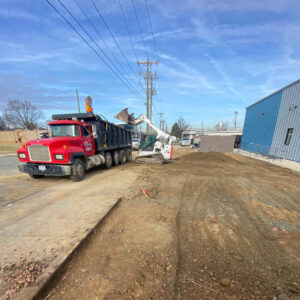
Land clearing
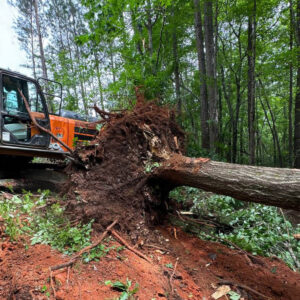
Grading and leveling service
Get in touch today