
7 questions to ask before hiring a land clearing contractor
Choosing the right land clearing contractor can mean the difference between a smooth project and a costly nightmare. Whether you’re preparing land for construction, creating pasture space, or clearing overgrown property, the contractor you hire directly impacts your budget, timeline, safety, and environmental compliance. A bad choice can lead to property damage, legal issues, and unexpected expenses that spiral into the thousands.
The good news? Asking a few strategic questions upfront can protect your investment and ensure you’re working with professionals who deliver quality results. Here are seven essential questions every property owner should ask before signing a contract.
Question 1. Are you licensed, insured, and bonded?
This is more than just paperwork. It’s your financial safety net. Here’s what each term means:
- Licensed means the contractor has met state or local requirements to legally operate. This often includes passing exams and demonstrating competency in their field.
- Insured refers to liability and workers’ compensation coverage. If a worker is injured on your property or equipment damages your home, insurance protects you from being held financially responsible.
- Bonded means the contractor has purchased a surety bond, which serves as a guarantee that they’ll complete the work as promised. If they abandon the project or fail to meet contractual obligations, the bond can compensate you.
These credentials are not just boxes to check. They protect homeowners. Always ask to see current proof of licensing and insurance certificates, and verify them with the issuing agencies. A legitimate contractor will provide these without hesitation.
Question 2. What equipment will you use for my project?
Not all land clearing jobs are created equal, and neither is the equipment needed to complete them. A half-acre residential lot requires different machinery than 50 acres of wooded land.
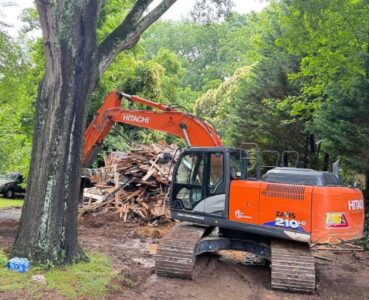
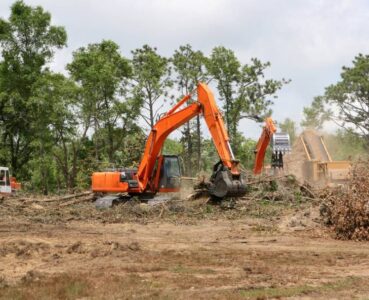
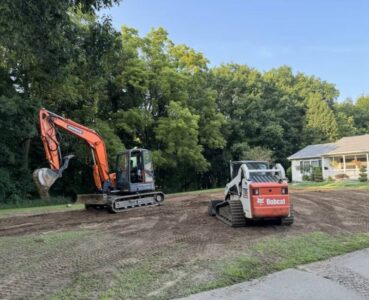
Professional contractors assess your specific needs and match them with the right tools. Excavators work well for grading and moving heavy debris. Forestry mulchers can grind trees and brush into nutrient-rich mulch in a single pass. Bulldozers handle large-scale clearing and rough grading. Skid steers offer versatility for smaller, more precise work.
The right equipment does more than speed up the job. It also helps prevent damage to your property. Ask contractors what machines they plan to use and why. Their answer will show whether they have truly assessed your project or are using a one-size-fits-all approach. Modern, well-maintained equipment is a sign that a company values quality and efficiency.
Question 3. Can you provide references or recent project photos?
Anyone can claim they do great work. Evidence proves it.
Ask for references from recent clients, ideally those who hired the contractor for projects similar to yours. A reputable company will gladly connect you with satisfied customers. When you reach out, ask about communication, timeliness, cleanup quality, and whether the final bill matched the estimate.
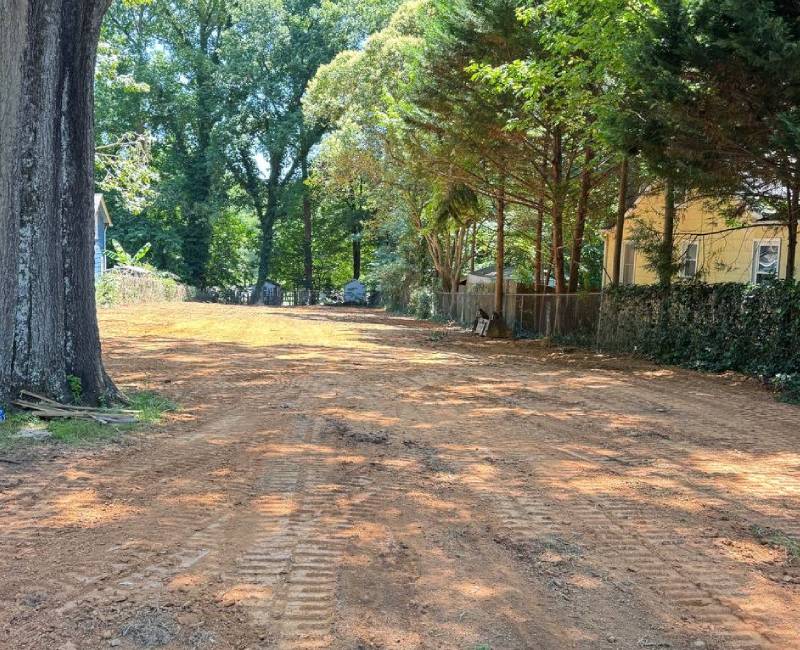
Requesting project photos is equally important. Before-and-after shots reveal the contractor’s attention to detail and the caliber of finished work. Pay attention to how clean the sites look after completion and whether the clearing appears precise or sloppy.
Don’t stop with references. Check online reviews on Google, Yelp, and the Better Business Bureau. Look for patterns in feedback, both positive and negative. A few complaints are not always dealbreakers, but how the company responds to criticism says a lot about their professionalism.
Question 4. How will you handle debris removal and disposal?
Land clearing generates a lot of waste: branches, stumps, brush, and sometimes concrete or other materials. What happens to all of it matters more than you might think.
First, confirm that debris removal is included in the quote. Some contractors clear the land but leave disposal to you—a nasty surprise if you’re not expecting it. Second, ask how they dispose of waste. Responsible contractors follow local regulations for dumping and often recycle wood waste into mulch or firewood rather than sending everything to a landfill.
If you’re in an area with strict environmental regulations, non-compliance can result in fines that could fall on you as the property owner. Make sure your contractor knows and follows local waste disposal laws. Getting this in writing protects both parties and ensures there’s no confusion when the job is done.
Question 5. What’s included in your estimate, and what isn’t?
The lowest bid is not always the best deal, especially if it does not include everything you need.
Many property owners are blindsided by hidden costs that weren’t discussed upfront. Permits, for example, are often required but not always included in initial quotes. Stump removal is another common add-on; some contractors only cut trees at ground level, leaving roots behind. Grading, erosion control, and haul-away fees can also inflate the final bill if they weren’t part of the original agreement.
Before you sign anything, request a detailed, written estimate that breaks down every aspect of the project: labor, equipment, materials, disposal, permits, and any potential extras.
A trustworthy contractor will be transparent about costs and willing to explain each line item. If someone gives you a vague quote or pressures you to commit without details, that’s a red flag.
Question 6. How long will the project take, and what affects the timeline?
Time is money, and delays can disrupt your plans, especially if you are coordinating land clearing with construction or other projects.
Several factors influence how long land clearing takes:
- the size and terrain of your property play a big role, as does the density of vegetation;
- weather is another variable; rain can turn a site into a muddy mess and halt work. Permit approvals can also introduce delays, particularly in areas with strict zoning or environmental regulations;
- site access matters—if your property is difficult to reach or has limited entry points, mobilizing equipment takes longer.
A reliable contractor provides a realistic timeline upfront and communicates proactively if delays arise. Ask how they handle unexpected setbacks and whether they have contingency plans. Contractors who overpromise and underdeliver are a headache you don’t need.
Question 7. Do you follow environmental or erosion-control best practices?
Land clearing doesn’t have to mean environmental destruction. In fact, responsible contractors take steps to protect soil health, water quality, and surrounding ecosystems.
Erosion control is critical, especially on sloped land or near water sources. Clearing vegetation removes natural barriers that prevent soil runoff, which can lead to property damage and water pollution. Professional contractors use techniques like silt fencing, sediment basins, and strategic grading to manage runoff and stabilize soil.
Protecting desirable trees and vegetation is another hallmark of quality work. Instead of clear-cutting everything, experienced contractors identify which plants to preserve and carefully work around them. Some even repurpose cleared biomass into mulch that enriches the soil rather than sending it to a landfill.
If you care about minimizing your environmental footprint (or if local regulations require it) make sure your contractor shares that commitment. Ask what specific practices they use and how they plan to protect your land during and after the clearing process.
Final thoughts
Hiring a land clearing contractor is about more than finding the cheapest option. It’s about trust, professionalism, and ensuring the job is done safely, legally, and to your satisfaction. The right contractor brings transparent pricing, modern equipment, proper credentials, and a proven track record of quality work.
At Bright LLC, we understand that your property is an investment worth protecting. That’s why we approach every project with licensed, insured crews, state-of-the-art machinery, and a commitment to environmental stewardship. Our detailed estimates leave no room for surprises, and our clients know exactly what to expect from day one. Whether you’re clearing a small lot or tackling a large-scale project, we bring the expertise and integrity you deserve.
Before you sign with any contractor, ask these seven questions. The answers will tell you everything you need to know and help you feel confident that your land is in the right hands.
Clear the way — call a professional
Need help with demolition, excavation, or land clearing? Don’t wait — our crew is ready 24/7 to take on your project safely and efficiently.
Related Pages
Related Services
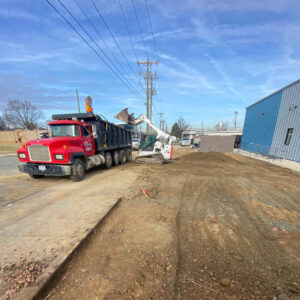
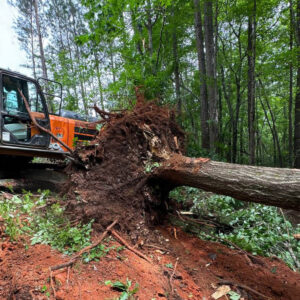
Land clearing
Grading and leveling service
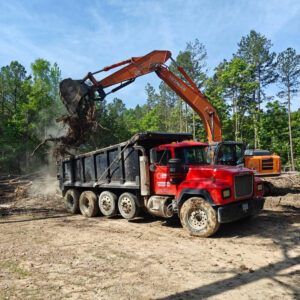
Debris removal
Get in touch today