
Land clearing timeline: how long does it take by acreage?

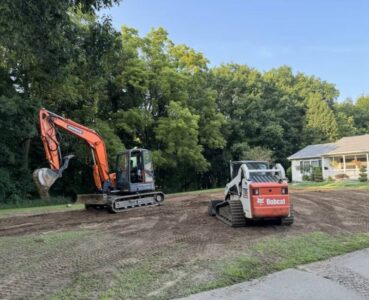
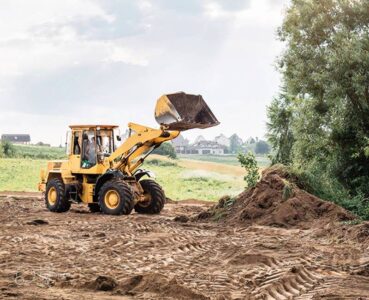
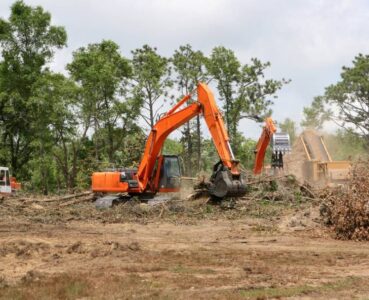
Clearing one acre of land can take several hours or several working days. A flat, accessible acre with light brush may be cleared within one working day. Mixed vegetation, small trees, and limited stump removal may take one or two days.
Dense timber, large stumps, difficult access, wet soil, haul-off, or grading may require three to five days or longer.
Active clearing time is only one part of the schedule. The full project may include a site assessment, utility marking, approvals, and equipment mobilization. It may then continue through debris removal, grading, and a final walkthrough. Bright LLC reviews these items before giving a project-specific estimate and schedule.
Key takeaways
- One lightly overgrown acre may be cleared in one day. Dense trees, stumps, steep terrain, or haul-off can add several days.
- Acreage does not determine the schedule alone. Vegetation, access, terrain, soil, disposal, and the finish scope matter too.
- Clearing, grubbing, and grading are separate tasks. Root removal, hauling, and soil shaping add time beyond brush removal.
- Active work and total project time are different. Utility marking, local review, scheduling, and weather can affect the full duration.
- The best estimate comes from a site review. Photos help, but access, hidden roots, drainage, and soil are easier to judge on site.
Planning range: One acre may take several hours to five working days, depending on vegetation, stumps, haul-off, and access.
How long does it take to clear an acre of land?
One acre is a useful starting point for planning. Vegetation density, stump removal, and debris handling can change the schedule quickly.
- Light brush and small saplings: Several hours to one working day. Open access and on-site material handling support faster work.
- Mixed brush and small trees: About one to two working days. Root work, sorting, and limited haul-off add time.
- Moderately wooded acre: About two to three working days. Larger trees, uneven terrain, or tight access can slow production.
- Dense timber or difficult terrain: About three to five working days or longer. Large roots, wet ground, haul-off, or grading extend the work.
Important: These ranges describe active field work. They do not include every wait for utility marking, review, weather, scheduling, or later finish grading.
Why the same one-acre lot can take hours or days
Two one-acre properties may look similar on a map. Their work scopes can still be very different. A flat brush lot can be opened quickly with suitable equipment. A wooded acre may include mature trees, buried roots, wet clay, limited truck access, and off-site disposal.
The requested finish condition also matters. Opening an area may only require cutting and mulching vegetation. Construction preparation may require grubbing, stump removal, haul-off, rough grading, drainage work, and stable access.
Typical land clearing timelines by acreage
The one-acre scenarios above explain how site density changes the schedule. The table below compares broader acreage ranges for early planning.
| Project size | Light or open site | Wooded or complex site | Planning note |
|---|---|---|---|
| 1/4-1/2 acre | Several hours to 1 day | 1-3 days | Tight access or haul-off can extend a small project. |
| 1 acre | Several hours to 1 day | 2-5+ days | Stumps, large trees, wet soil, and grading create wide variation. |
| 2-5 acres | Several days | About 1-2 weeks | Crew production and trucking matter more as debris volume grows. |
| 5-10 acres | About 1-2 weeks | About 2-4 weeks or longer | Large sites may need phases, erosion controls, and coordinated trucking. |
| 10+ acres | Site-specific | Site-specific | Plan by daily production, access, preservation areas, disposal, and finish scope. |
For a clearing-only overview, see Bright LLC’s complete guide to land clearing before new construction.
How many acres can be cleared in one day?
There is no universal acres-per-day rate. A crew may clear more than one acre of light brush in a day. Dense timber can reduce production below one acre during the same period.
- Open field or light brush: One acre or more may be possible during a working day.
- Mixed brush and smaller trees: About one acre per day may support early planning.
- Dense woods, large trees, and stumps: Daily production may fall below one acre.
- Tree-preservation work: Acreage alone is less useful because crews must move slowly around protected areas.
Treat any production number as a planning estimate, not a promise. The best comparison comes from projects with similar vegetation, equipment, disposal, and finish requirements.
What affects how long land clearing takes?
The schedule usually depends on several site conditions and scope choices.
- Vegetation density: Grass and brush clear faster than mature trees, vines, and heavy undergrowth.
- Tree and stump size: Large trunks and roots require more cutting, extraction, handling, and cleanup.
- Terrain and slope: Steep, rocky, uneven, or soft ground can slow equipment movement.
- Soil and weather: Wet clay, saturated soil, heavy rain, or freeze-thaw conditions can stop safe work.
- Equipment access: Narrow gates, fences, structures, overhead lines, or poor truck access may require smaller machines.
- Debris plan: On-site mulching is faster than repeated loading, hauling, and off-site disposal.
- Trees and areas to preserve: Protected features require careful planning and slower equipment movement.
- Clearing depth: Surface brush removal is faster than grubbing that removes stumps and roots.
- Grading and drainage: Soil movement, compaction, drainage correction, or finish grading extends the scope.
- Approvals and site protection: Utility marking, local review, buffers, and erosion controls may affect the sequence.
Clearing, grubbing, and grading: what adds time?
These terms describe separate stages. Clear scope prevents unrealistic timeline expectations.
| Stage | What it includes | Effect on schedule |
|---|---|---|
| Clearing | Remove brush, trees, rocks, and visible debris. | Fastest when the goal is open access or surface growth removal. |
| Grubbing | Remove stumps, roots, and buried organic material. | Adds excavation, sorting, backfilling, and debris handling. |
| Debris haul-off | Load and transport brush, logs, stumps, soil, or mixed material. | Adds truck cycles and can become the main bottleneck. |
| Rough grading | Shape soil for access, drainage, elevation, or construction. | Adds machine time after the lot is open. |
| Finish grading | Create a smoother surface for lawns, driveways, pads, or landscaping. | Needs more precision and may follow later construction work. |
For a detailed comparison, read Land clearing and grading: what’s the difference and when do you need both?
Active clearing time vs. the full project timeline
Equipment days do not always equal the calendar time from first contact to a finished site. A complete project may include these stages.
- Site review and estimate. Review acreage, vegetation, slope, access, debris handling, and the required finish condition.
- Scope confirmation. Confirm removals, preserved areas, stumps, haul-off, grading, and the handoff condition.
- Utility marking and approvals. Arrange locating and confirm local erosion, environmental, or permit requirements.
- Equipment mobilization. Deliver the excavators, skid steers, loaders, mulchers, dozers, or trucks needed for the work.
- Clearing and grubbing. Remove the brush, trees, stumps, roots, and surface obstacles included in the scope.
- Debris handling. Mulch, stockpile, chip, load, or haul material under the approved plan.
- Grading and site preparation. Shape soil, correct low areas, establish drainage, or prepare the next construction phase.
- Final walkthrough. Confirm access, debris handling, cleared limits, and the contracted finish condition.
Some stages can overlap. Others must wait for site conditions, marking, review, or equipment availability.
Permits, utility marking, and erosion control in North Carolina
Some projects begin after a site review and utility marking. Others need more planning because they disturb soil, change drainage, or affect protected areas. Bright LLC can coordinate utility locating through NC811 when digging or grading is included. The property owner remains responsible for permits and other required approvals.
North Carolina requires three full working days of notice before excavation. The request day does not count. North Carolina generally requires an approved erosion and sedimentation control plan above one acre of land disturbance. Charlotte and Mecklenburg County may require review or erosion controls for smaller projects. Location, drainage, buffers, and the planned scope can affect those requirements.
Site-specific requirement: Confirm local rules before scheduling work. Do not treat the one-acre threshold as the only possible trigger.
Common reasons a land clearing project takes longer
- Rain and saturated soil: Heavy equipment can damage soft ground or create deep ruts. Work may need to pause.
- Hidden roots, rock, or debris: Conditions below the surface may appear only after clearing begins.
- More haul-off than expected: Large stumps and dense growth create volume. Truck cycles can slow production.
- Access restrictions: Narrow entrances, homes, fences, septic systems, lines, or steep approaches can limit movement.
- Scope changes: Added stump removal, drainage work, grading, or a larger clearing area changes the schedule.
- Review or inspection timing: Local review, utility conflicts, erosion controls, or protected areas can delay a phase.
How to keep land clearing on schedule
- Define the finish condition. Choose brush removal, stump removal, construction access, rough grading, or a final surface.
- Mark what stays and what goes. Identify boundaries, preserved trees, septic areas, structures, drainage paths, and no-entry zones.
- Confirm access early. Equipment and trucks need room to enter, turn, load, and leave safely.
- Choose the debris plan. Confirm whether material will be mulched, chipped, stacked, hauled, or managed another approved way.
- Complete locating and approval checks. Submit NC811 requests and confirm local requirements before the planned start date.
- Coordinate the next contractor. Define the handoff before excavation, grading, driveway, foundation, or construction work begins.
How scope changes the timeline: Bright LLC project examples
Completed projects show why an estimate should describe more than acreage. Equipment, material handling, and the required finish often control the schedule.
Lot clearing and rough grading in Concord, NC
This residential project included brush clearing, tree-debris removal, hauling, soil movement, rough grading, and final cleanup. Bright LLC used an excavator, skid steer, and dump truck. Trucking and grading were part of the production plan because the scope continued beyond surface clearing.
Land clearing and grading in Charlotte, NC
This Charlotte project included vegetation removal, soil movement, rough grading, and final preparation. Bright LLC used an excavator and skid steer. The project shows why clearing and a finished site should be defined as separate phases.
For tree and drainage protection, review the guide to clearing land while protecting trees and natural drainage in Charlotte.
How land clearing time affects cost
Land clearing cost and time depend on many of the same factors. They include equipment hours, crew time, stumps, hauling, access, soil, grading, and site protection.
A longer schedule does not always mean poor productivity. It may reflect a heavier scope or a more controlled approach.
Avoid using one per-acre number without defining the site condition. Light brush is not comparable to mature trees, stump extraction, haul-off, and rough grading. The most reliable quote comes from an on-site review and a written scope.
Get a realistic land clearing timeline from Bright LLC
Bright LLC provides land clearing, stump removal, grading and leveling, and excavation services. These services are available in Charlotte, Concord, Gastonia, Waxhaw, Fort Mill, and Rock Hill. The team reviews acreage, vegetation, access, stumps, debris handling, grading, and the required handoff condition.
That review gives a better answer than a generic acres-per-day promise. Need a site-specific timeline? Contact Bright LLC for a free quote and a clear scope before equipment is scheduled.
FAQ about land clearing timelines
How long does it take to clear one acre of land?
A lightly overgrown, accessible acre may be cleared within one working day. Mixed vegetation may take one to two days. Dense trees, large stumps, haul-off, difficult terrain, or grading may require three to five days or longer.
How long does it take to clear half an acre?
A flat half-acre with light brush may take several hours. A wooded or restricted lot may take one to three days with stumps or haul-off.
How long does it take to clear five acres?
Five open acres may take several days. A wooded or complex property may need one to two weeks or longer.
How long does it take to clear ten acres?
Ten-acre projects need a site-specific production plan. Dense woods, grubbing, haul-off, erosion controls, or grading can extend the work to several weeks.
Can one acre be cleared in one day?
Yes, when the lot is flat, accessible, lightly vegetated, and needs limited stump work or haul-off. A wooded acre or construction-ready scope usually takes longer.
How many acres can be cleared in a day?
A crew may clear more than one acre of light brush in a day. Mixed vegetation may average about one acre, while dense timber can reduce that rate.
Does stump removal add time?
Yes. Stump removal requires digging or grinding, root handling, backfilling, and extra debris management. Large roots can extend the schedule.
What is the difference between clearing and grubbing?
Clearing removes visible vegetation, trees, rocks, and surface debris. Grubbing removes stumps, roots, and buried organic material.
Is grading included in land clearing?
Not automatically. Clearing opens the site, while grading shapes soil for slope, drainage, elevation, or stability. The quote should list any rough or finish grading.
Can rain delay land clearing?
Yes. Saturated soil reduces traction, increases rutting, slows trucks, and makes grading unreliable. Work may pause to protect the site.
Do I need a permit to clear land in North Carolina?
It depends on location, disturbed area, drainage, grading, protected features, and local rules. Projects above one acre generally need an erosion and sedimentation control plan.
Does a longer land clearing timeline increase the cost?
Often, because more equipment hours, labor, hauling, stump work, or grading increase the scope. The quote should reflect the agreed work, not time alone.
Sources and further reading
- NC811 – North Carolina Excavation Manual
- NC DEQ – Erosion and Sediment Control FAQs
- City of Charlotte – Erosion Control Facts for Homebuilders
Clear the way — call a professional
Need help with demolition, excavation, or land clearing? Don’t wait — our crew is ready 24/7 to take on your project safely and efficiently.
Related Services
Land clearing
House demolition
Excavation
Get in touch today