
How to estimate material needs for your landscaping project

How to estimate material needs for your landscaping project
Many residential landscaping projects go off track before the first shovel even hits the ground — not because the design is complicated, but because the homeowner miscalculates how much material they need. In fact, homeowner surveys from 2023 show that material miscalculations lead to an average cost overrun of nearly 18%. That’s a lot of wasted mulch, gravel, soil, and money. Estimating correctly isn’t guesswork; it’s a simple process that helps you avoid delays, prevent shortages, and make sure your delivery arrives with exactly what you need. This guide walks you through how to do it right.
What material estimation means and why it matters
Material estimation is the process of calculating the exact amount of mulch, soil, gravel, stone, sand, or topsoil your project requires. A small flower bed may only need a yard of mulch, while a new patio base might require several tons of gravel. A 400-square-foot garden bed, for example, often needs two to three cubic yards of mulch, depending on depth. When you know your numbers ahead of time, your delivery service can bring the correct load, and you avoid mid-project surprises.
In residential landscaping, under-ordering is the most common mistake. When you run out of gravel two-thirds of the way through a pathway or don’t have enough soil to raise a garden bed, the entire job slows down. Over-ordering is another issue — leftover piles take up space, kill the grass underneath, and may require another pickup or disposal fee.
Good estimation prevents many problems and gives you clean, consistent results.
Why incorrect estimates slow projects down
When the materials don’t match the plan, the project immediately becomes harder. Running short forces you to pause the work, place another order, and wait for delivery. Having too much material creates clutter and requires extra trips with wheelbarrows or a skid steer to store the excess. The project becomes disorganized, and you spend more time managing piles than improving your yard.
Even small miscalculations — just one or two inches of depth — can change how your mulch looks, how your gravel path drains, or how your soil settles. A precise estimate keeps your process smooth and your results predictable.
How accurate estimating makes your project more efficient
A well-estimated project feels different from the very beginning. The work flows without interruptions, the materials arrive sized for the space, and the crew or homeowner can complete each step without rearranging piles or pausing for re-ordering.
Here is one of our cases. During a mulch refresh in Raleigh, one homeowner reduced her installation time by nearly a third simply because she calculated her cubic yards correctly. Everything arrived in one truckload and matched the depth she wanted across all beds. So, yes, accurate material estimates directly reduce work time, mess, and stress.
Understanding measurements: the formula that keeps things simple
Most landscaping materials are sold by the cubic yard. To estimate properly, you need three measurements: length, width, and depth — all in feet. If your depth is in inches, convert it to feet by dividing by twelve.
- Volume (in cubic feet) = length × width × depth
- Cubic yards = cubic feet ÷ 27
This formula works for mulch, gravel, soil mixes, sand, topsoil, decorative stone, and playground chips.
Irregular shapes are easy to handle too — simply break the area into rectangles, calculate each one, add them together, and convert the total.
How different materials affect your estimate
Not all materials behave the same, and your estimate should reflect that.
Save this table for a quick decision about the amount of material needed.
|
Material |
Typical depth |
Special behavior |
Should you add extra? |
Notes |
|
Mulch |
2–4 inches (more for weed control or moisture retention) |
Lightweight, compresses and settles over time |
Yes — a small buffer helps maintain full coverage |
Great for large areas; expect natural settling |
|
Topsoil & garden soil mixes |
Varies depending on leveling and planting needs |
Settles noticeably after watering; behavior changes with compost/sand content |
Yes — usually ~10% extra |
Ideal for leveling low spots or mixing into garden beds |
|
Gravel |
2–3 inches for surface use; 4–6 inches for paver bases |
Provides stability; depth precision matters |
No — accuracy is key |
Essential for driveways, paths, and structural bases |
|
Sand |
Depends on project; typically thin leveling layers |
Spreads easily; needs even distribution |
No — calculate exact depth |
Often used under pavers or for surface leveling |
|
Decorative stone |
1–2 inches |
Heavy and expensive; stays in place well |
No — avoid waste |
Used mainly for appearance and clean coverage |
|
All materials |
— |
Measured using length × width × depth (in feet) |
— |
Convert cubic feet to cubic yards by dividing by 27 |
Mulch
Mulch is lightweight and covers a large area, but it compresses over time. Most homeowners use a depth of two to four inches, and beds meant for moisture retention or weed control may need more. Because mulch settles naturally, ordering a small buffer helps ensure full coverage.
For example, a 200-square-foot garden bed at three inches deep would need:
- Volume in cubic feet = 200×(3÷12)=50 cubic feet
- Cubic yards = 50÷27≈1.85 cubic yards
Adding a 10% buffer, you would order about 2 cubic yards of mulch.
Topsoil and garden soil mixes
Soil mixes behave differently depending on how much compost or sand they contain. They often settle after watering, especially when used to level low areas. Adding about ten percent extra is common for soil projects to account for this natural settling.
For example, if you have a 100-square-foot bed at six inches deep:
- Volume in cubic feet = 100×(6÷12)=50 cubic feet
- Cubic yards = 50÷27≈1.85 cubic yards
Gravel
Gravel requires precise estimating because it affects the stability of pathways, driveways, and patio bases. Surface gravel usually needs two to three inches, while base gravel for pavers may require four to six inches. Because consistency matters, you typically avoid adding extra gravel beyond your calculated depth.
For a 150-square-foot pathway with a three-inch gravel surface:
- Volume in cubic feet = 150×(3÷12)=37.5 cubic feet
- Cubic yards = 37.5÷27≈1.4 cubic yards
Sand
Sand is mainly used for leveling and as a base for pavers. It spreads easily, so accurate measurement is important to achieve an even surface. Matching the depth to your project needs ensures the final structure stays stable.
For a 120-square-foot patio base at two inches deep:
- Volume in cubic feet = 120×(2÷12)=20 cubic feet
- Cubic yards = 20÷27≈0.75 cubic yards
Decorative stone
Decorative stone is heavier and more expensive, which makes accurate estimating especially important. Most projects use one to two inches of depth for appearance and coverage. Careful calculation prevents costly waste and keeps your design consistent.
For a 100-square-foot garden bed at two inches depth:
- Volume in cubic feet = 100×(2÷12)=16.7 cubic feet
- Cubic yards = 16.7÷27≈0.62 cubic yards
Preventing shortages and waste
Even with careful math, natural materials settle or shift depending on the project. That’s why many professionals add a buffer — usually between 5% and 10% — for mulch, soil, and uneven areas.
Gravel and decorative stone rarely need a buffer because exact depth is more important than compensating for settling. Planning this cushion ensures you don’t end up with uncovered edges or mismatched depths.
Cost and time advantages of accurate estimates
Correct estimates save money in several ways. You only pay for what you truly need, you avoid return trips, and you cut down on wasted product that needs storage or disposal. Because the materials match your project’s size, your workflow becomes more efficient and predictable. Fewer interruptions mean less labor, less cleanup, and a cleaner yard throughout the process.
Time savings also add up quickly. One delivery instead of two, continuous placement without stopping, and no need to reshuffle piles make a weekend project feel manageable rather than overwhelming.
Tools and methods that help with estimating
You don’t need advanced tools to get this right. A tape measure, some stakes and string to outline your area, and a simple calculator can handle most residential projects. Sketching your project area on paper also helps you understand the sections you need to measure. For larger or more detailed projects, your material delivery service can review your numbers and suggest adjustments.
Why accurate material estimation matters for your landscaping project
Estimating your materials correctly leads to better results, fewer delays, and a smoother experience from beginning to end. Whether you’re refreshing mulch, building a new gravel path, raising garden beds, or leveling a lawn, precise calculations keep everything on track.
Start with a clean set of measurements, choose your depth, calculate your cubic yards, and let your delivery team handle the heavy lifting. With the right numbers, your project becomes faster, cleaner, and far more enjoyable.
Tips for more accurate estimating
A solid estimate comes from clean measurements, correct conversions, and choosing a depth that actually fits the material you’re working with. It also helps to plan ahead so you can bundle everything into one delivery and cut down on extra fees. And if you’re unsure about anything, a quick check with your delivery provider can save you from ordering too much or not enough.
Here’s a simple breakdown of what makes your estimate more accurate:
- Double-check all measurements. Walk the project area twice, confirm your length and width, and make sure you’re measuring the exact space you plan to cover.
- Convert everything into feet before calculating. If your depth is in inches, divide by twelve. Clean numbers make your cubic-yard math easier and more accurate.
- Match depth to material behavior. Mulch settles, soil compacts, gravel must stay consistent, and decorative stone shouldn’t be over-ordered. Choosing the right depth prevents uneven results.
- Plan for a combined delivery. Ordering multiple materials at once can reduce delivery fees and simplify scheduling.
- Ask your provider to review your numbers. A quick confirmation from an experienced delivery team can prevent costly mistakes and keep your project on track.
Choose the right material delivery provider in North and South Carolina
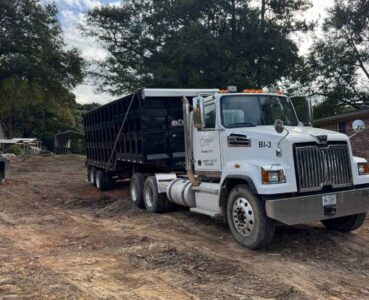
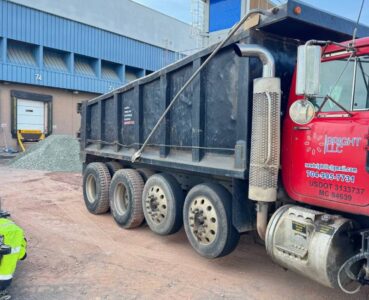
A trusted delivery provider makes a noticeable difference. Choose a company that offers guidance on material coverage, has experience with residential yards, operates reliable trucks, and understands how to navigate tight driveways or limited-access areas. A good provider will help you avoid over-ordering, give honest recommendations, and place your materials exactly where you need them.
Bright LLC fits that role well for homeowners across North and South Carolina. Our professional team specializes in residential material delivery, from mulch and soil mixes to gravel, sand, and decorative stone. We’re used to tight suburban driveways, backyard drop-offs, and projects that need precise placement.
Bright LLC also double-checks your measurements, helps you confirm coverage, and makes sure you order the right amount the first time. Our goal is simple: fast delivery, clean drop-offs, and materials that arrive exactly when and where you expect them, so your landscaping project stays smooth from start to finish.
Clear the way — call a professional
Need help with demolition, excavation, or land clearing? Don’t wait — our crew is ready 24/7 to take on your project safely and efficiently.
Related Pages
Get in touch today